The 12kW Rule: Does Your Air Conditioning Need a TM44 Inspection?
- The TM44 duty applies where the effective rated output of air-conditioning systems in a building exceeds 12kW, counted together, not per unit.
- Effective rated output means the cooling capacity the system can deliver, usually shown on the unit’s data plate or specification.
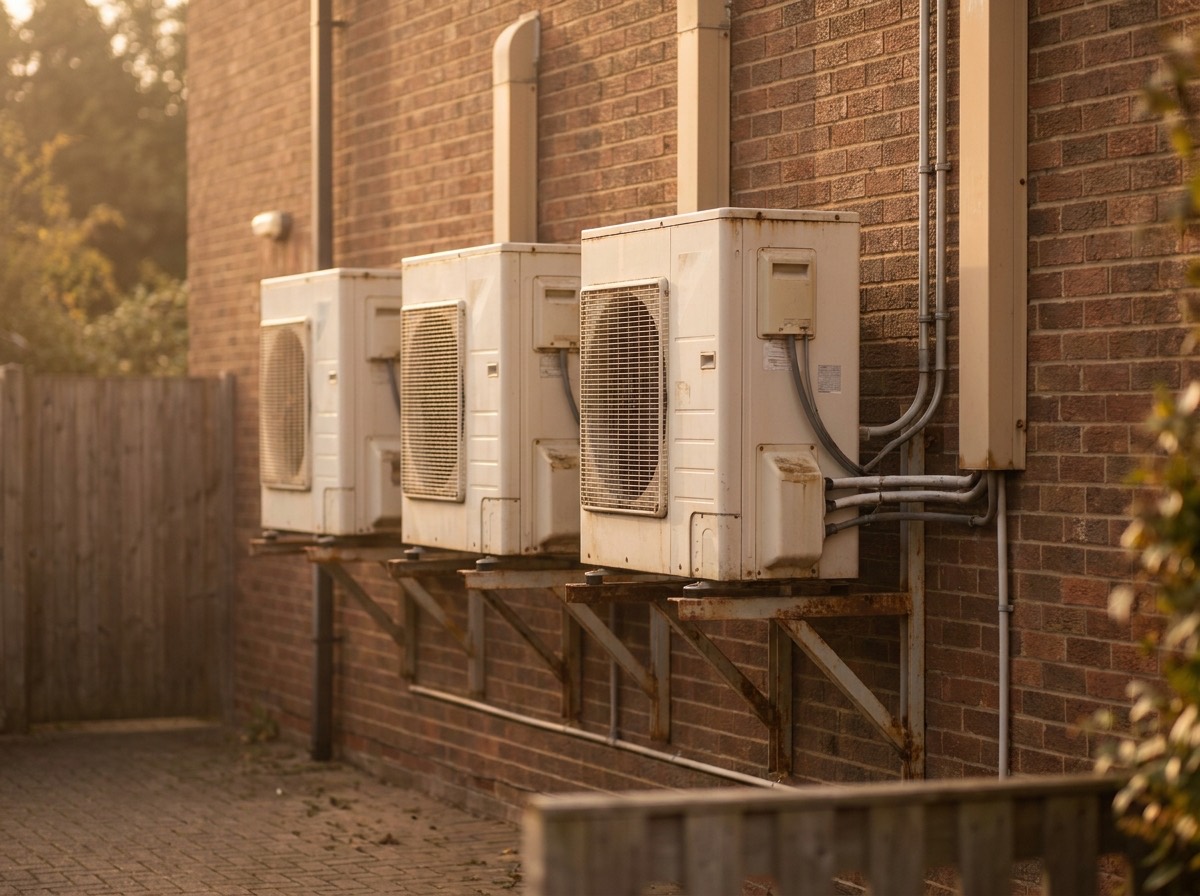
- A typical office split unit is 3kW to 7kW, so three or four units are often enough to cross the threshold.
- If you are near the line or unsure, an accredited assessor can confirm it quickly, and the cost of inspection is modest.
Most buildings that fall foul of TM44 do so because of a misreading of the threshold. “Our biggest unit is only 7kW” sounds reassuring, and it is irrelevant. The duty is triggered by the combined effective rated output of all the air-conditioning systems in the building, and three or four ordinary office splits get you over 12kW without trying.
What the threshold actually says
GOV.UK’s guidance states the duty applies to air-conditioning systems with an effective rated output of more than 12kW. Where a building has several systems under the control of the same person, their outputs are added together. The legal basis is the Energy Performance of Buildings Regulations 2012.
What “effective rated output” means
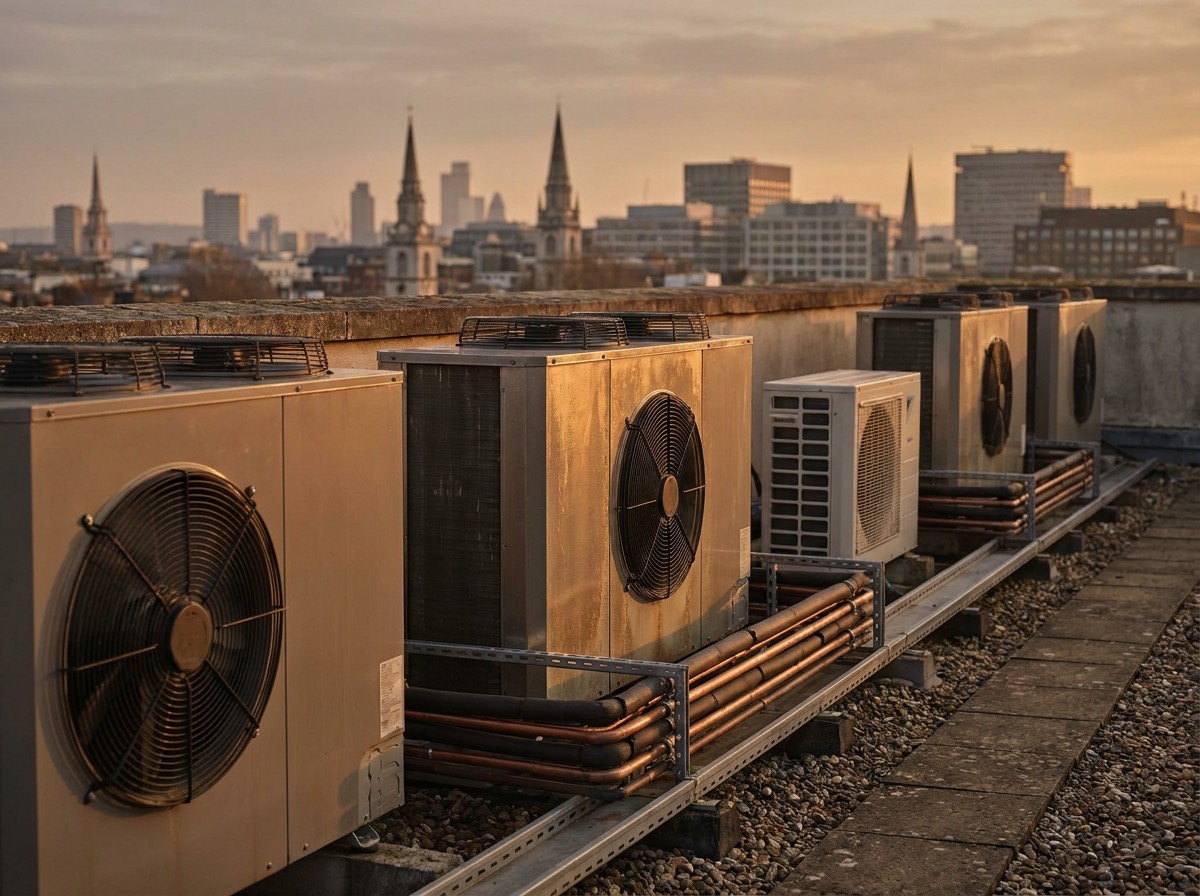
It is the maximum cooling capacity the system is designed to deliver, measured in kilowatts of cooling, not the electrical power it draws. You will find it on the outdoor unit’s data plate, in the manufacturer’s specification or the installation paperwork. A unit described as “5kW” in a sales brochure is usually 5kW of cooling output, which is the right number.
Doing the sum
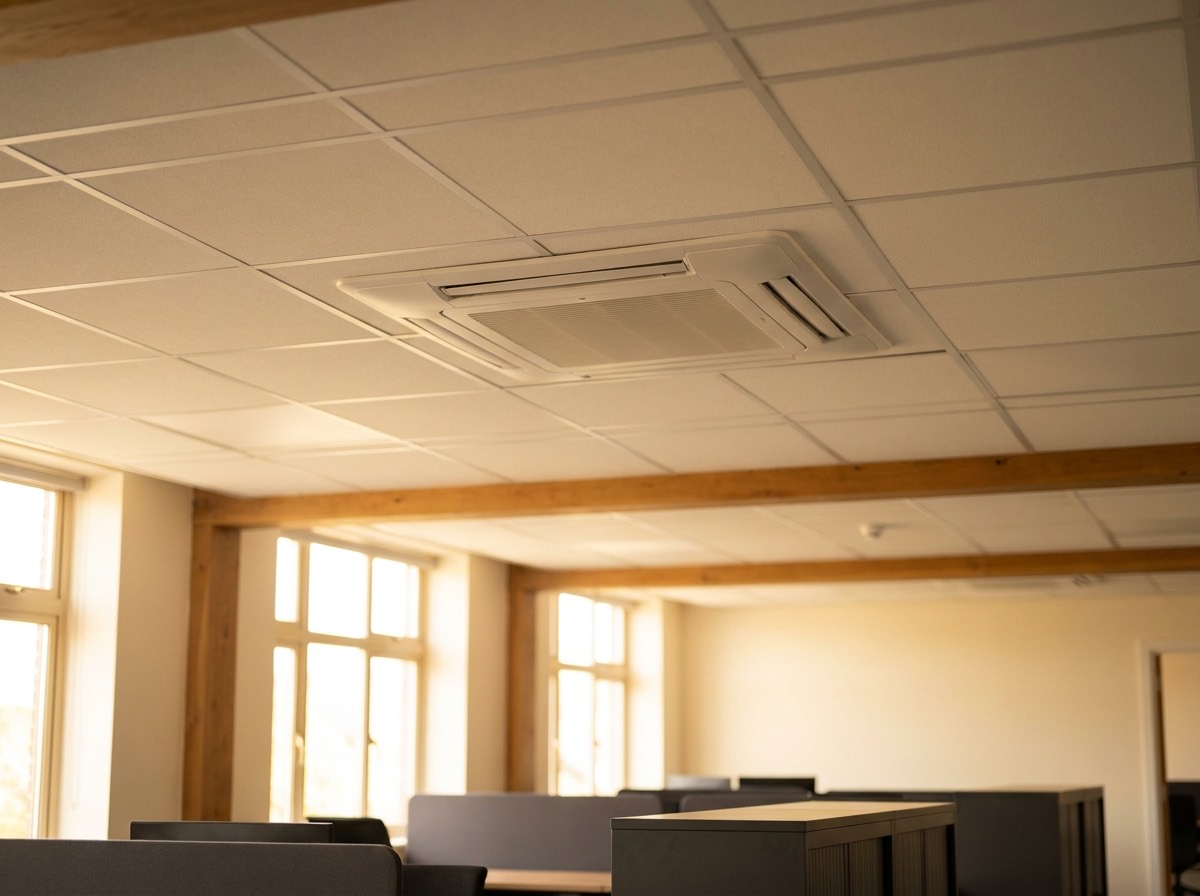
List every air-conditioning unit in the building under your control and add their rated cooling outputs. Three 3.5kW splits in meeting rooms plus a 7kW unit in the main office is 17.5kW: over the threshold, inspection required. A single 10kW cassette on its own is under, but add a 5kW unit in the server room and it is not. Comfort cooling, server-room cooling and process cooling all count if they are air-conditioning systems.
Not sure if you are over 12kW?
Match with accredited assessors who will confirm the threshold and inspect if required. No-obligation quotes.
Who controls what
Systems are added together where they are under the control of the same person. In a multi-let building, each tenant’s own units are usually counted for that tenant, and a landlord’s central system counted for the landlord. If a landlord provides cooling to the whole building, that is one system and almost certainly over 12kW.
The common mistakes
- Counting only the largest unit.
- Confusing electrical input with cooling output.
- Forgetting server-room or comms-room cooling.
- Assuming small units “don’t count”.
- Nobody owning the question in a multi-let building.
If you are over, or not sure
If the total exceeds 12kW, you need an inspection by an accredited assessor at least every five years; our guide to TM44 inspections explains what happens. If you are close or unsure, an assessor can confirm the position quickly. ComSurv matches you with accredited assessors who cover your area, with no-obligation quotes.
Sources & further reading
- Air conditioning inspections for buildings (GOV.UK) — the 12kW threshold explained
- Energy Performance of Buildings (England and Wales) Regulations 2012 — the underlying regulations
External links open in a new tab. ComSurv is a matching service, not a firm of surveyors, and is not affiliated with these organisations. This article is general information, not legal, surveying or valuation advice; take advice on your specific situation.