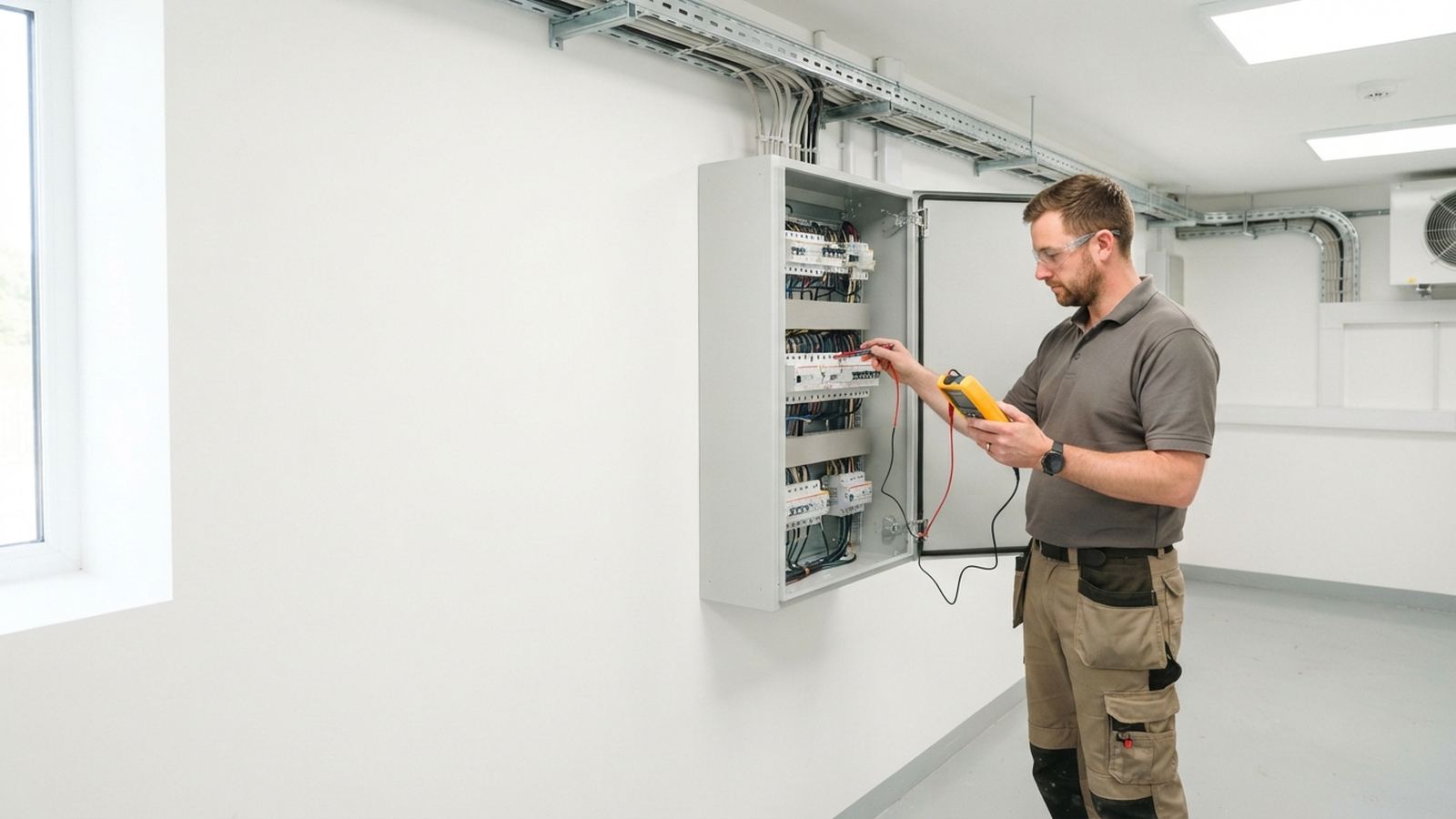
Get a Commercial EICR Quote from Registered Inspectors
Tell us about the property and we'll match you with registered electrical inspectors. Compare no-obligation quotes in about a minute, and get the periodic inspection report that evidences your electrical safety duty.
Do commercial premises need an EICR, and how often?
Employers and those in control of premises must keep electrical systems safe, and an Electrical Installation Condition Report (EICR) to BS 7671 is the recognised way to evidence that. For most commercial premises the recommended interval is every five years, shorter for higher-risk environments, and insurers, landlords and buyers increasingly ask to see a current, satisfactory report.
- The Electricity at Work Regulations 1989 require electrical systems to be maintained so as to prevent danger; a periodic inspection is how that duty is evidenced, as HSE’s electrical safety guidance explains.
- The inspection follows BS 7671 (the IET Wiring Regulations) and reports each observation as C1, C2, C3 or FI, with C1 and C2 making the installation “unsatisfactory” until remedied.
- Typical intervals are five years for offices and shops and shorter for industrial, leisure and higher-risk premises; the previous report states the recommended date.
- Inspectors registered with a competent-person scheme such as NICEIC or NAPIT give you a report you can rely on with insurers and landlords.
Maintained by the ComSurv team and checked against UK government, HSE and professional-body sources. ComSurv is a matching service, not a firm of surveyors or contractors. General information, not legal advice.
What an EICR is
A detailed inspection and test of the fixed electrical installation, covering the distribution boards, circuits, earthing, bonding and protective devices, reported against the current wiring standard with any defects coded by severity.
Evidence of your legal duty
Shows you are maintaining the installation safely under the 1989 Regulations.
Coded findings
C1 danger present, C2 potentially dangerous, C3 improvement recommended, FI further investigation.
Satisfactory or not
Any C1 or C2 makes the report unsatisfactory until the remedials are done.
Wanted by insurers and landlords
A current report is now routinely requested at renewal, letting and sale.
Matched with the right inspectors in three steps.
Tell us what you need
Answer a few quick questions about the property, what you need and your timeline.
We match you with inspectors
We shortlist registered electrical inspectors who cover your area and property type.
Receive quotes and book
Compare no-obligation quotes and book the provider that's right for you.
What an EICR involves
A registered inspector tests a sample of circuits and inspects the installation, including distribution boards, wiring, accessories, earthing and bonding. Some circuits need isolating, so the visit is planned around your operations. You receive a report listing every observation with a code, an overall satisfactory or unsatisfactory verdict, and the recommended date for the next inspection.
What it delivers
- A full Electrical Installation Condition Report
- Observations coded C1, C2, C3 or FI
- A satisfactory or unsatisfactory verdict
- The recommended date of the next inspection
- A quote for any remedial works required
Who needs it
- Employers and business owners
- Commercial landlords and managing agents
- Buyers and tenants doing due diligence
- Anyone asked for a report by an insurer
Why it matters
- Electrical faults are a leading cause of commercial fires
- The report evidences a statutory duty
- Unsatisfactory findings are cheaper fixed early
- Insurers and lenders increasingly require it
Electrical faults are invisible until they are not.
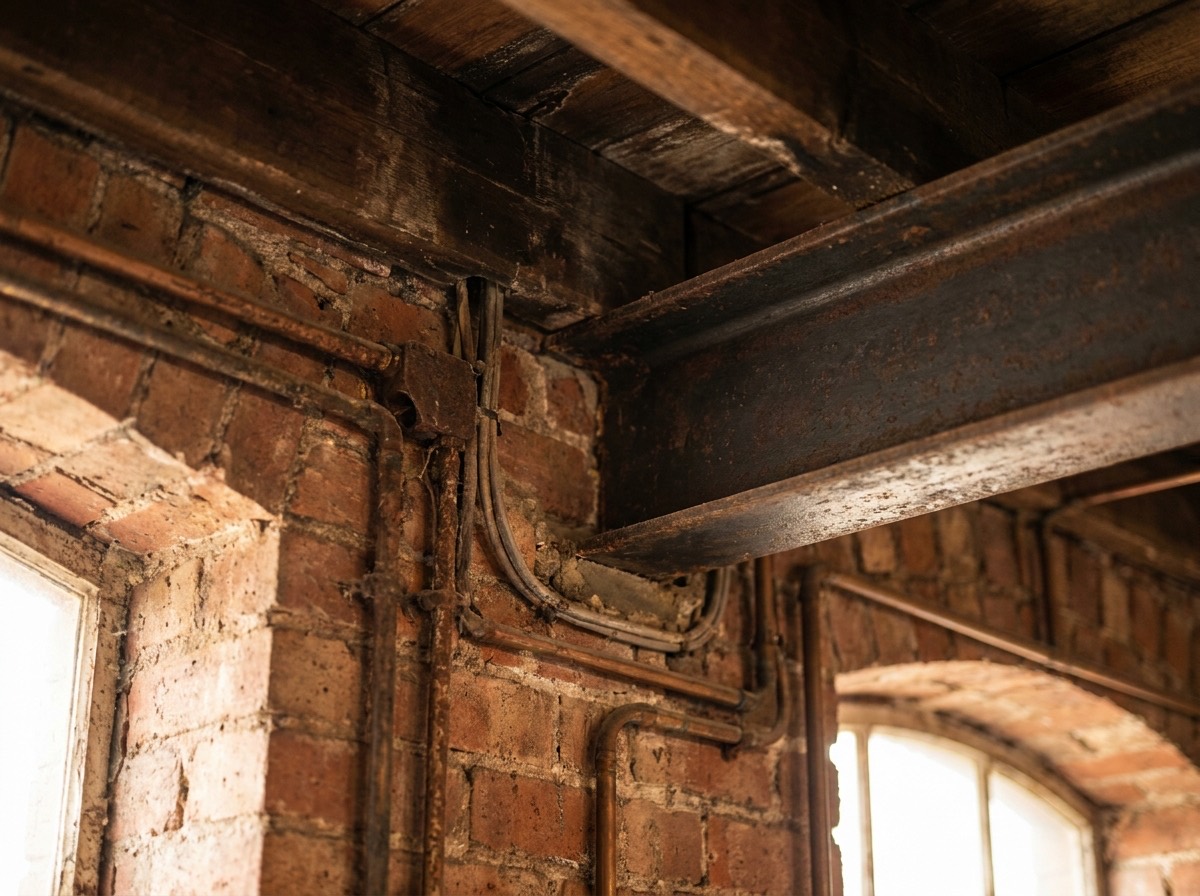
An ageing installation does not announce itself. The EICR finds the deteriorating circuits, poor earthing and overloaded boards before they cause a fire, an injury or a refused insurance claim. Five years is a long time in a busy building; if you cannot find your last report, that is the signal to book one.
Get EICR quotes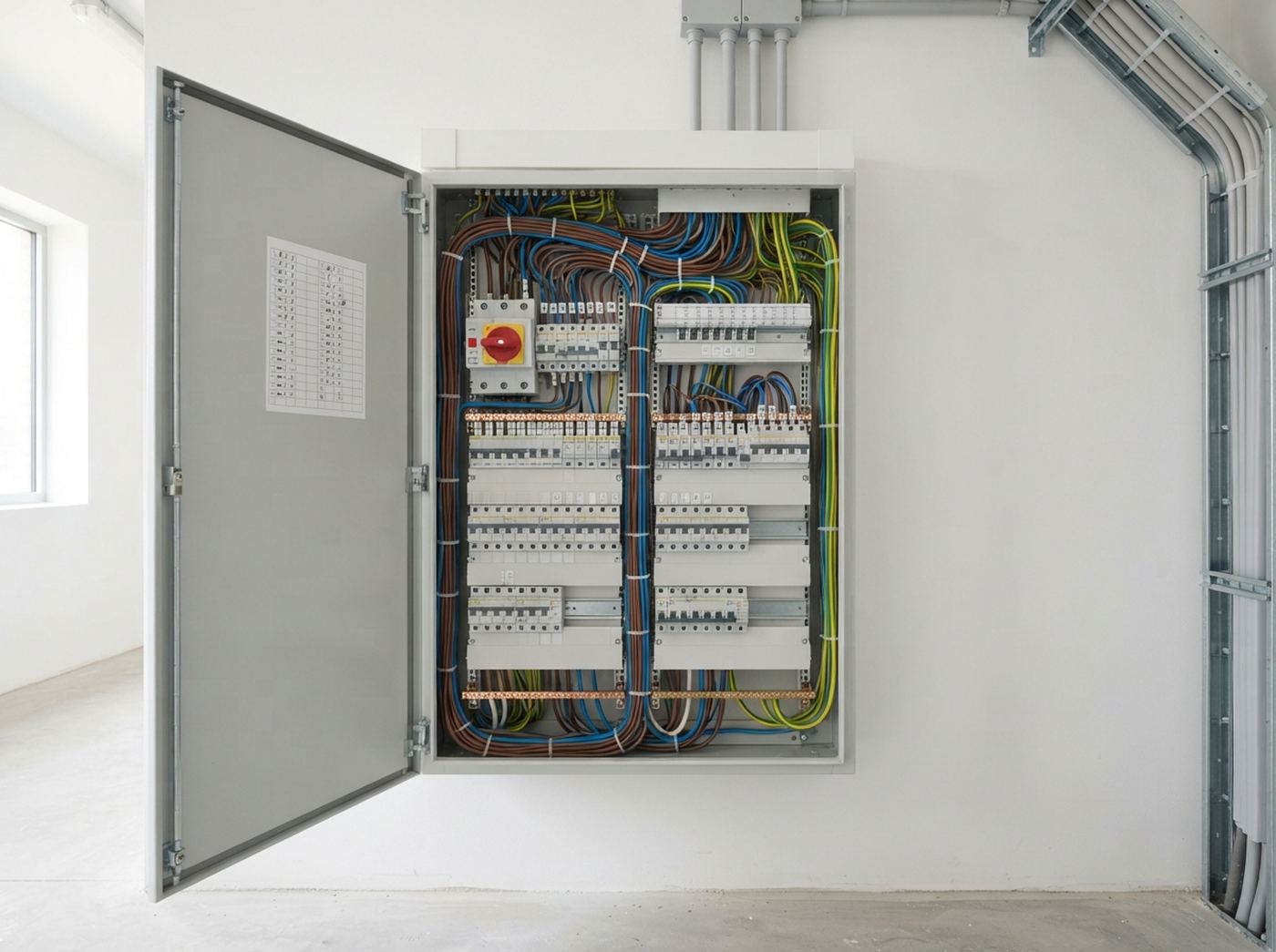
Qualified, accountable and vetted.
The inspectors we match you with are registered with recognised competent-person schemes such as NICEIC or NAPIT. ComSurv is a matching service and is not itself a regulated firm.




EICR FAQs
How much does a commercial EICR cost?+
Is an EICR a legal requirement for commercial property?+
How often should a commercial EICR be done?+
What do the codes on an EICR mean?+
Will the inspection disrupt my business?+
Who carries out an EICR?+
One property, several obligations. Sort them together.
Most commercial premises carry more than one compliance duty. These are the ones that usually sit alongside this service, or run our compliance check to see everything your property needs in one go.


Get your EICR sorted.
Free, no-obligation, and matched to registered electrical inspectors who cover your area. Takes about a minute.
Get my quotes →