Commercial survey guides, costs and jargon, explained.
Practical, well-sourced guides for tenants, landlords and buyers navigating commercial surveys, leases and dilapidations across the UK.
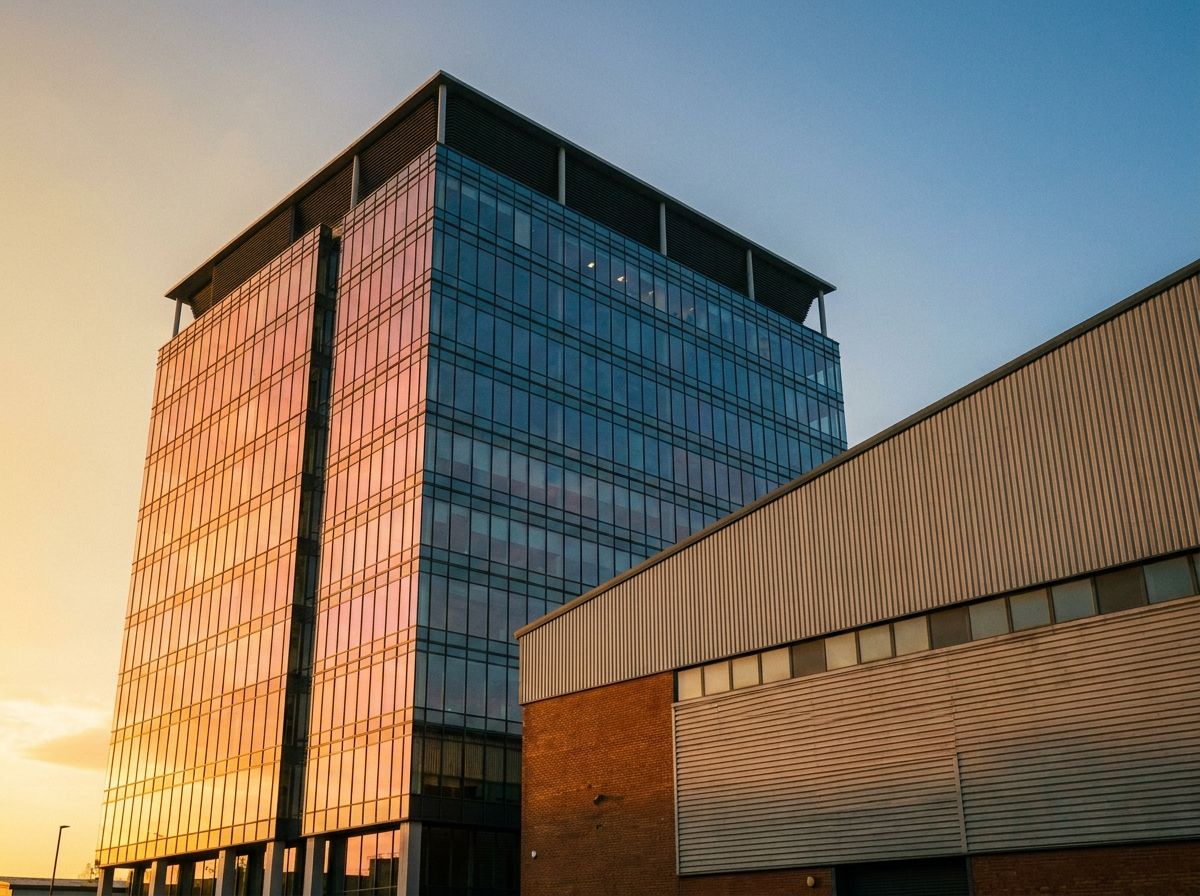
Valuing Large and Multi-Let Commercial Buildings: What Drives the Figure
On a large building, the leases are the asset. Here is what a valuer looks at on multi-let and investment property, and how to prepare so the figure is right.
Market Value vs Reinstatement Cost vs Rateable Value: Three Different Numbers
Insuring a building for what it would sell for is one of the most common and costly mistakes in commercial property. Here are the three numbers and what each is for.

Commercial Property Valuations for Bank Lending: How They Work and Who Instructs
Borrowing against commercial property? The bank picks the valuer, you pay the fee, and the report is not written for you. Here is how to handle that well.

How Is Commercial Property Valued? The Five Methods Valuers Use
Commercial buildings are not valued like houses. Here are the five methods valuers use, when each one applies and what actually moves the figure.

Commercial Property Valuation Cost: What You Will Pay and What Drives the Fee
Valuation fees are quoted on the building and the purpose, not off a price list. Here is what drives the cost, typical ranges and how long it takes.

How to Choose a Commercial Surveyor (and Why Comparing Quotes Pays)
Not all commercial surveyors are equal, and fees vary widely for the same job. Here's how to choose the right RICS-qualified surveyor, and why comparing quotes pays.
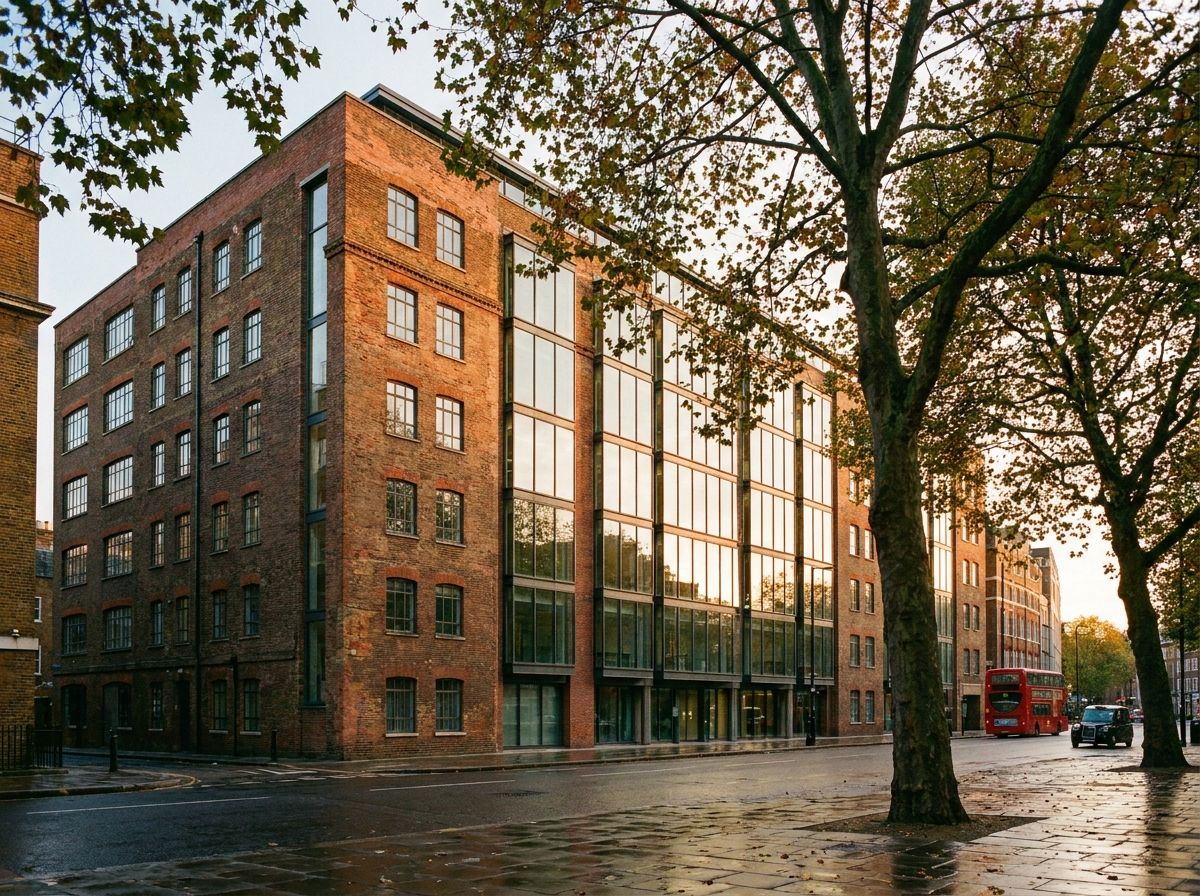
Commercial Property Valuation Explained: What a Red Book Valuation Is and When You Need One
An estimate is fine until someone else has to rely on it. Here is what a Red Book valuation is, who can sign one, and the moments you will need it.
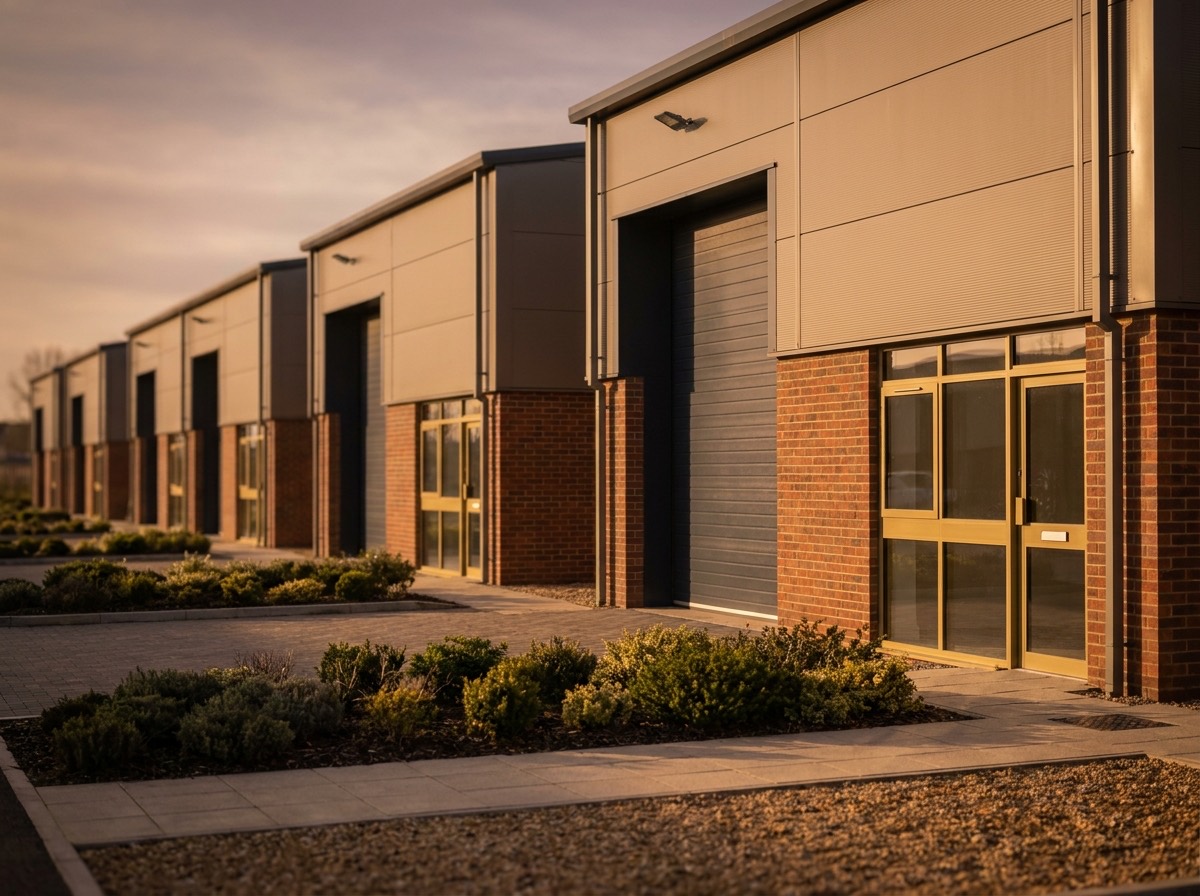
Maintenance Contracts for Multi-Site Portfolios: One Contractor or Several?
Running maintenance site by site across a portfolio means inconsistent records and missed compliance. Here is how to structure it, and when one contractor beats several.

Commercial Lease Negotiation: How a Surveyor Protects You Before You Sign
The heads of terms decide what you pay for years. A surveyor helps you negotiate repairing obligations, a Schedule of Condition and break clauses before you commit.
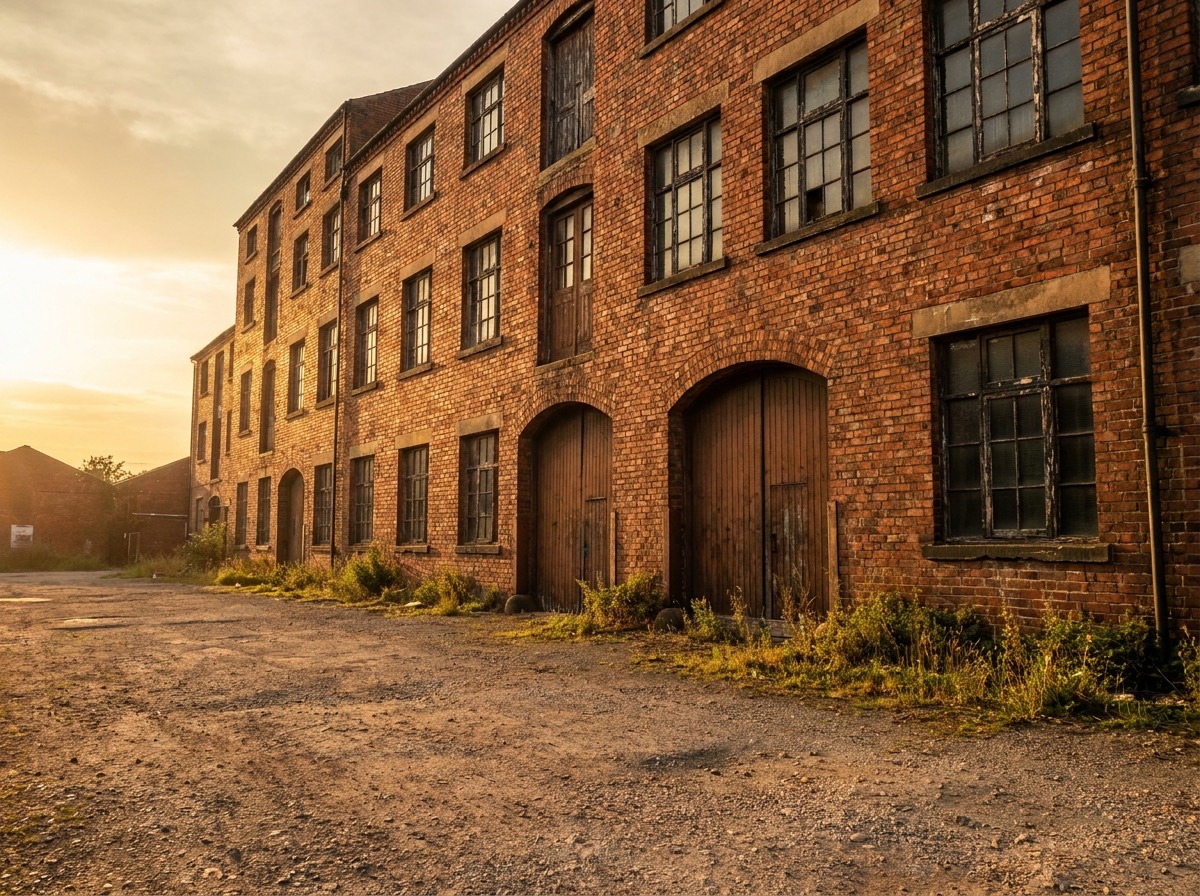
Asbestos and Buying a Commercial Property: Due Diligence Before You Commit
Buying a pre-2000 commercial building means buying its asbestos and the duty to manage it. Here is how to find out what you are taking on before you exchange, and how to price it into the deal.
Legionella in a Small Office: Do You Really Need an Assessment?
Yes, a small office needs a legionella risk assessment, but it should be proportionate: short, cheap and followed by a few simple routines. Here is what low-risk compliance looks like.
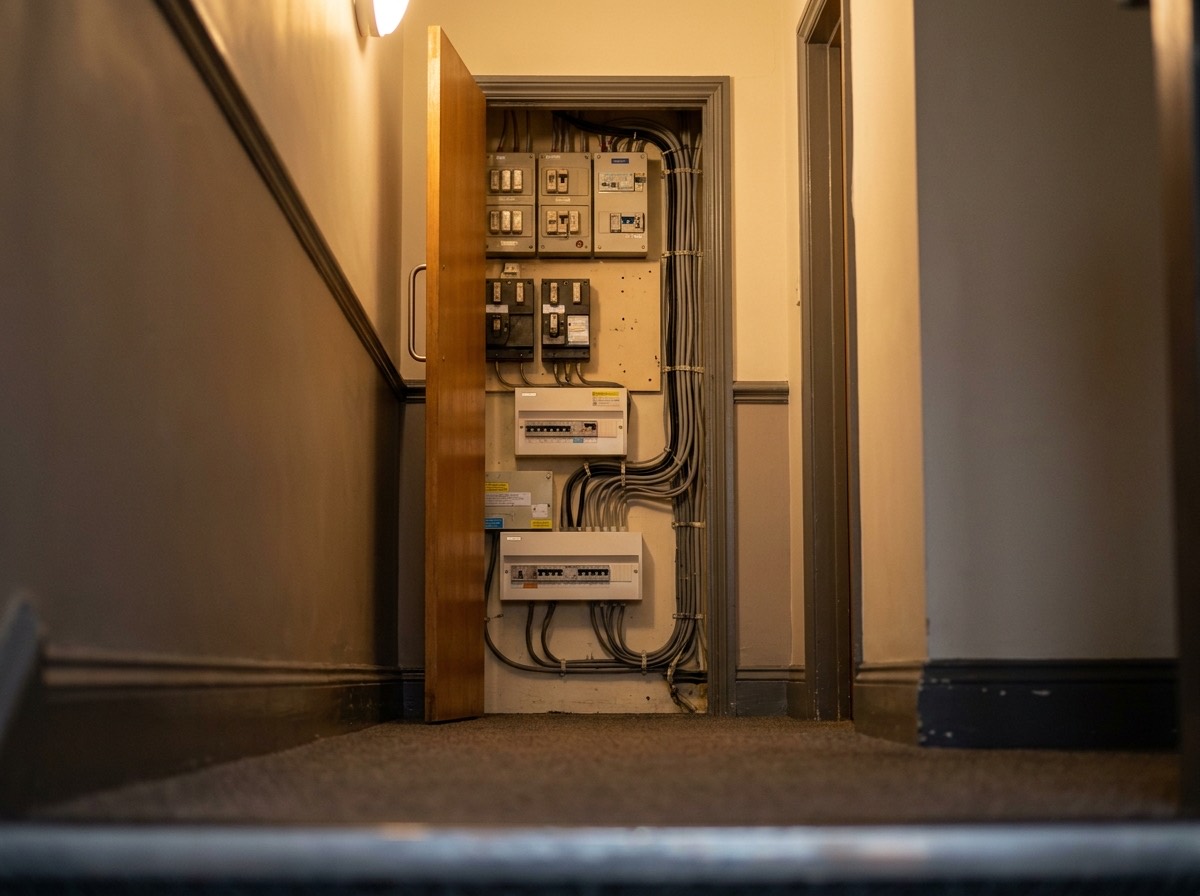
Who Is Responsible for the EICR: Commercial Landlord or Tenant?
Both landlord and tenant can carry an electrical safety duty in a commercial building. Here is how it splits, what the lease usually says, and the moments when the EICR becomes a negotiation.

How Air Conditioning Affects Your Commercial EPC Rating
Cooling is often the biggest energy load in a commercial building, which makes it one of the fastest ways to lift an EPC rating. Here is how the two connect and what actually moves the score.
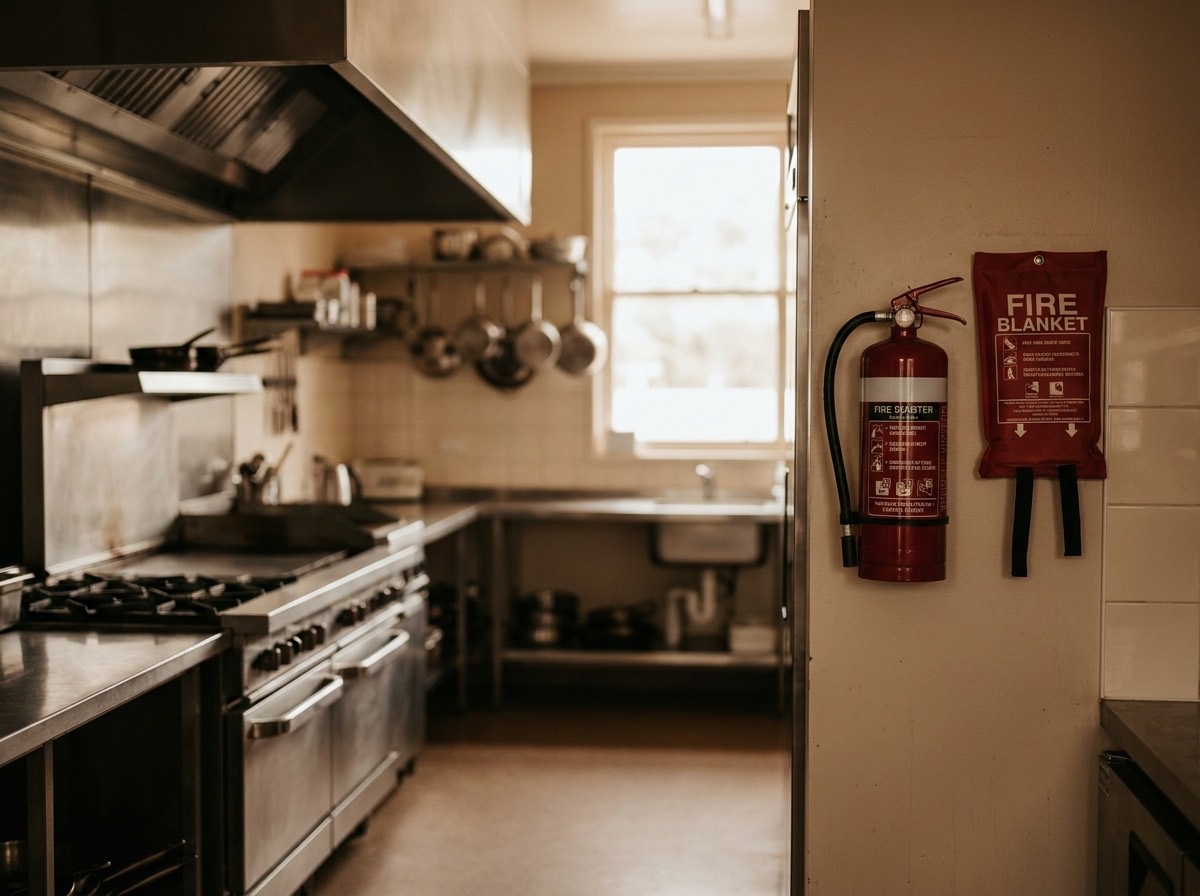
Monthly Fire Extinguisher Checks: A Simple In-House Checklist
Between annual services, a simple monthly walk-round keeps your extinguishers ready and your records clean. Here is the checklist, and the faults that mean calling an engineer.
How to Choose a Commercial Maintenance Contractor
The wrong maintenance contractor costs you twice: once in fees, again in the failures they miss. Here is how to choose one, the questions to ask and the warning signs to walk away from.

Fire Risk Assessments in Multi-Let Commercial Buildings: Landlord and Tenant Duties
In a multi-let building there is no single responsible person. Landlord and tenants each carry duties, and the gaps between them are where fire safety fails. Here is how to close them.

Commercial EPC and MEES: The Minimum E Rating Rule for Letting (2026)
Since April 2023 it's unlawful to keep letting most commercial property rated F or G. Here's what MEES requires now, and where the minimum is heading.
Where Asbestos Is Found in Commercial Buildings (and Why Pre-2000 Matters)
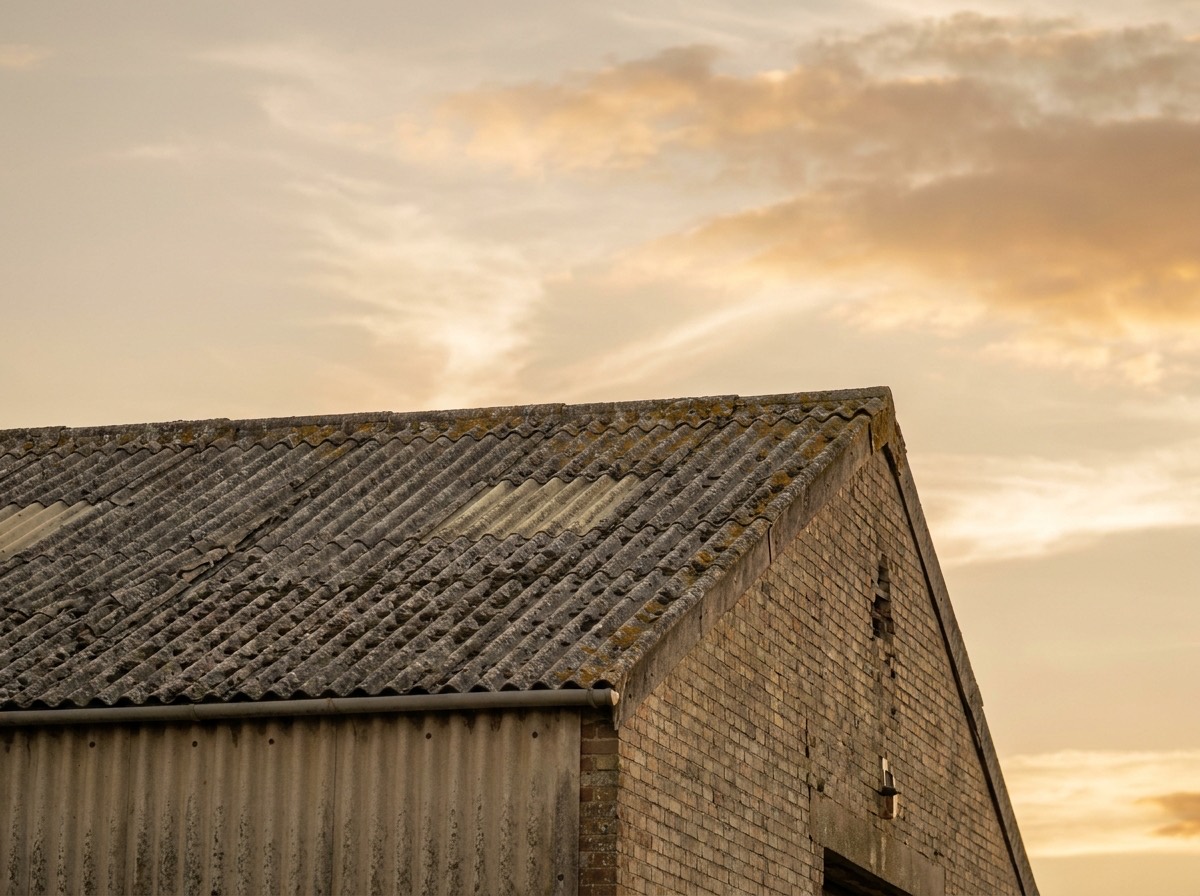
Asbestos hides in ordinary-looking materials: ceiling tiles, floor tiles, textured coatings, roof sheets, lagging. Here is where it turns up in commercial buildings and which materials matter most.
The Legionella Written Scheme: Monitoring, Temperatures and Records
The risk assessment finds the problems; the written scheme is how you control them every week. Here is what it contains, the temperatures and routines, and the records that keep you compliant.
Unsatisfactory EICR? What Happens Next and How to Fix It
An unsatisfactory EICR is common, fixable and not a reason to panic. Here is what it means, how fast to act, and how to get the remedials done without being taken for a ride.

MEES Exemptions for Commercial Property: The Register and the Rules
Can't get your building to an E? A MEES exemption may let you keep letting it, but only if it genuinely qualifies and you register it. Here's how they work.
How Often Should Commercial Air Conditioning Be Serviced?
Most commercial air conditioning should be serviced at least twice a year, more for heavy use, and the contract should carry your F-Gas leak checks. Here is what a good servicing schedule looks like.

How to Improve a Commercial EPC Rating (From F or G to E and Beyond)
From lighting and controls to heating and glazing, here are the measures that move a commercial EPC rating, and how to plan them so you meet MEES without overspending.

How Long Do Fire Extinguishers Last? Extended Service and Replacement
Extinguishers do not last forever. BS 5306-3 sets extended-service points at 5 and 10 years, and on smaller units replacement is often cheaper. Here is how to decide.

The Statutory Compliance Servicing Schedule Every Commercial Building Needs
Every commercial building carries a stack of servicing duties with different intervals and different laws. Here they are in one schedule, so nothing falls through the gaps.
What Does a Fire Risk Assessment Include? The Five Steps Explained
A Fire Risk Assessment is not a walk round with a clipboard. Here is what a competent assessor checks, step by step, and what the report you receive should contain.

How Long Is a Commercial EPC Valid? (And When You Need a New One)
A commercial EPC lasts ten years. But an expired or marginal certificate can still catch you out at sale, letting or under MEES. Here is when you actually need a fresh one.

The Asbestos Register and Management Plan Explained
The survey finds the asbestos; the register records it and the plan manages it. Here is what each document must contain, who must see them, and how to keep them alive.
HSE ACoP L8 Explained: What the Legionella Code of Practice Requires
L8 is the document every legionella duty traces back to. Here is what it is, its legal status, and the practical duties it places on anyone who controls a water system.
Commercial EPC vs Building Survey: What’s the Difference?
An EPC rates energy performance. A building survey assesses condition and defects. They answer different questions, and confusing them can leave a costly gap.
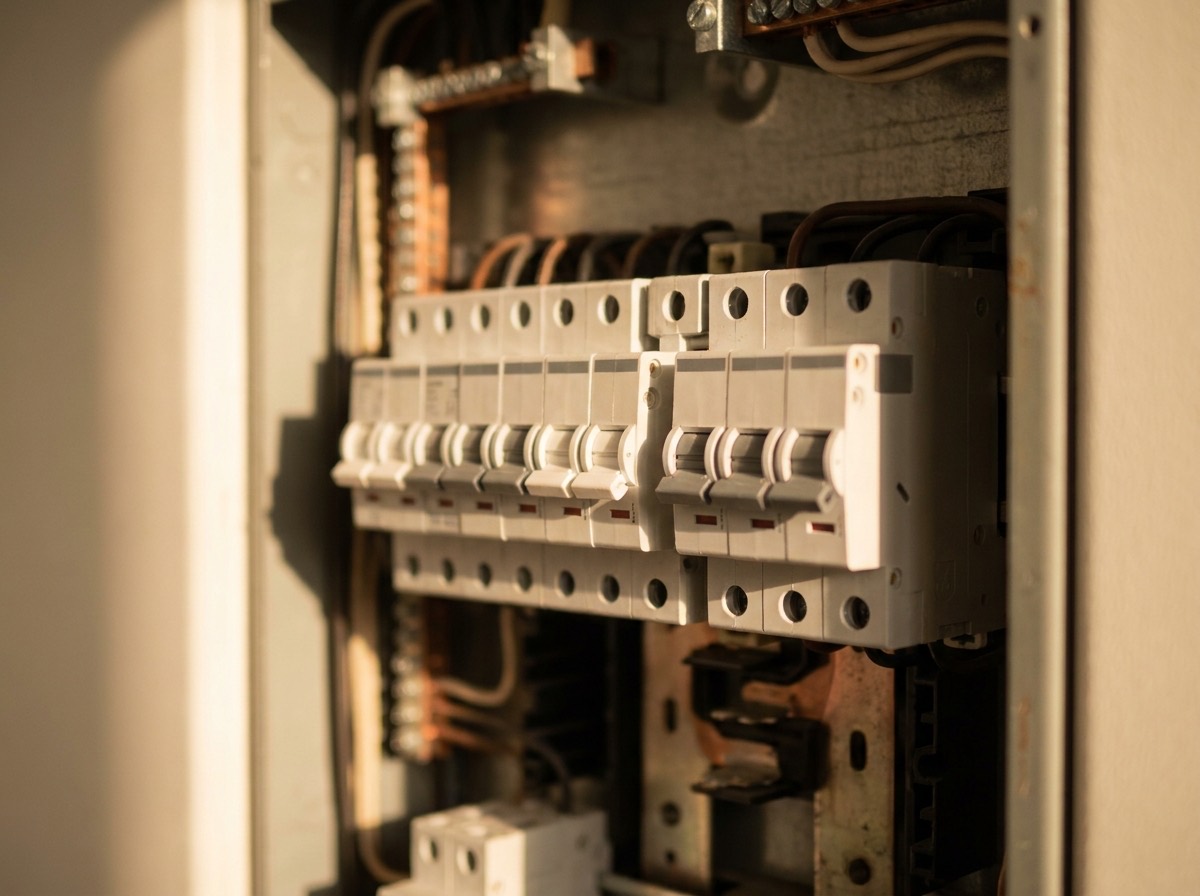
EICR Codes Explained: C1, C2, C3 and FI, and What They Mean for Your Business
Every EICR observation carries a code, and the codes decide whether your installation passes. Here is what C1, C2, C3 and FI mean, with commercial examples, and what to do about each.
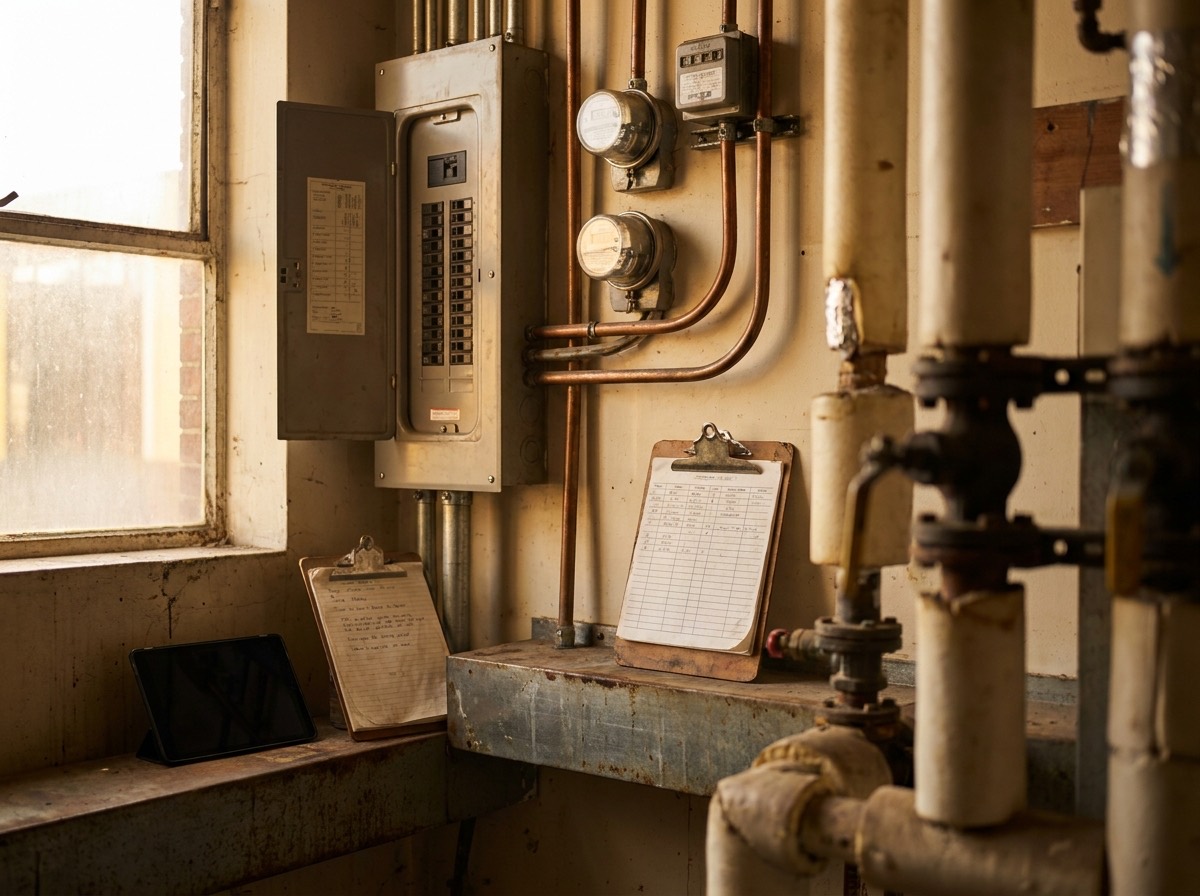
How Much Does a Commercial EPC Cost in 2026?
A commercial EPC can cost anywhere from around £150 to well over £1,000. The difference comes down to size, complexity and the assessment level your building needs.
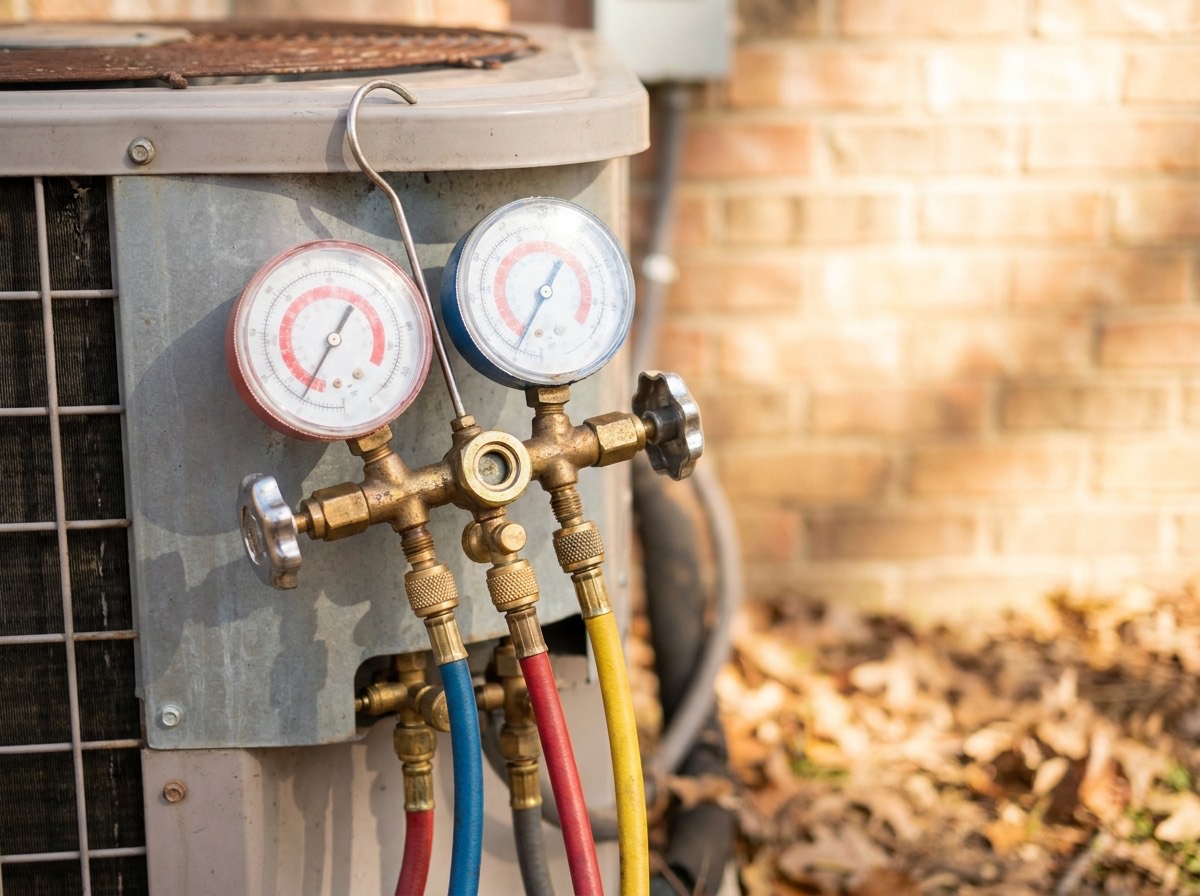
F-Gas Regulations for Commercial Air Conditioning: Leak Checks and Certified Engineers
F-Gas is the other legal duty on your air conditioning, separate from TM44. It governs leak checks, who can touch the refrigerant, and the records you must keep. Here is what operators need to know.
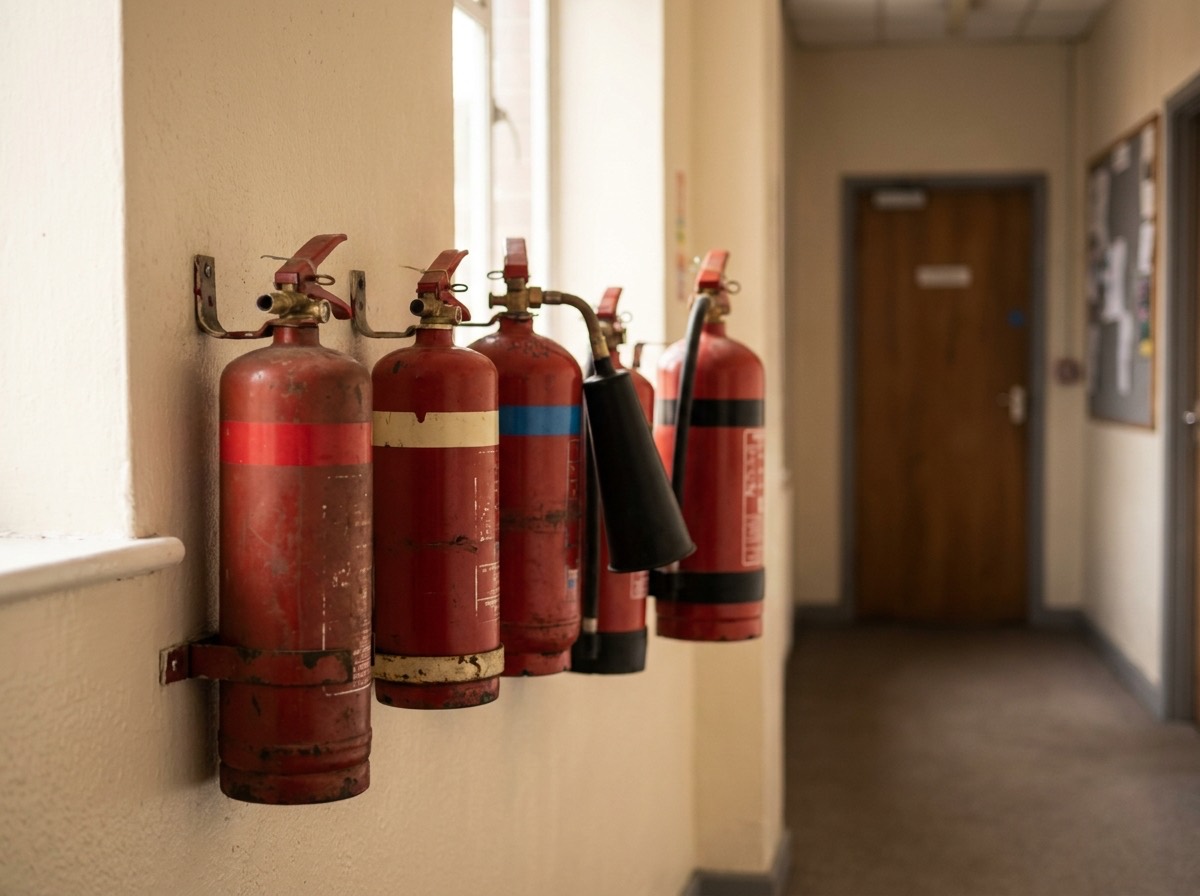
Fire Extinguisher Types for Commercial Premises: Which Do You Need?
The wrong extinguisher on the wrong fire can make things worse. Here are the UK fire classes, the extinguisher types that match them, and where each belongs in a commercial premises.
PPM Survey vs Maintenance Contract: The Plan and the Delivery
A PPM survey tells you what the building needs and when. A maintenance contract gets it done. Here is how they fit together, and why skipping the survey makes the contract more expensive.
Who Is the “Responsible Person” for Fire Safety in a Commercial Building?
Fire safety law does not land on “the company” in the abstract. It lands on a defined responsible person, and in a multi-let building there is more than one. Here is how to work out who.
Management Survey vs Refurbishment and Demolition Survey: Which Do You Need?
Asbestos surveys come in two types, and commissioning the wrong one is a common and costly mistake. Here is what each covers and which your project needs.
Terminal vs Interim Dilapidations: What’s the Difference?
Terminal dilapidations are dealt with at lease end; interim during the term. The remedies and tactics differ. Here is what separates them.

Section 18 of the Landlord and Tenant Act 1927: The Dilapidations Cap, Explained
Section 18 caps a landlord's dilapidations damages at the drop in the property's value, which can be far less than the cost of the works. Here's how it works.
How Often Should a Legionella Risk Assessment Be Reviewed?
There is no fixed expiry on a legionella risk assessment, which is exactly why they go stale. Here is what “review regularly” means in practice and the triggers that force one.
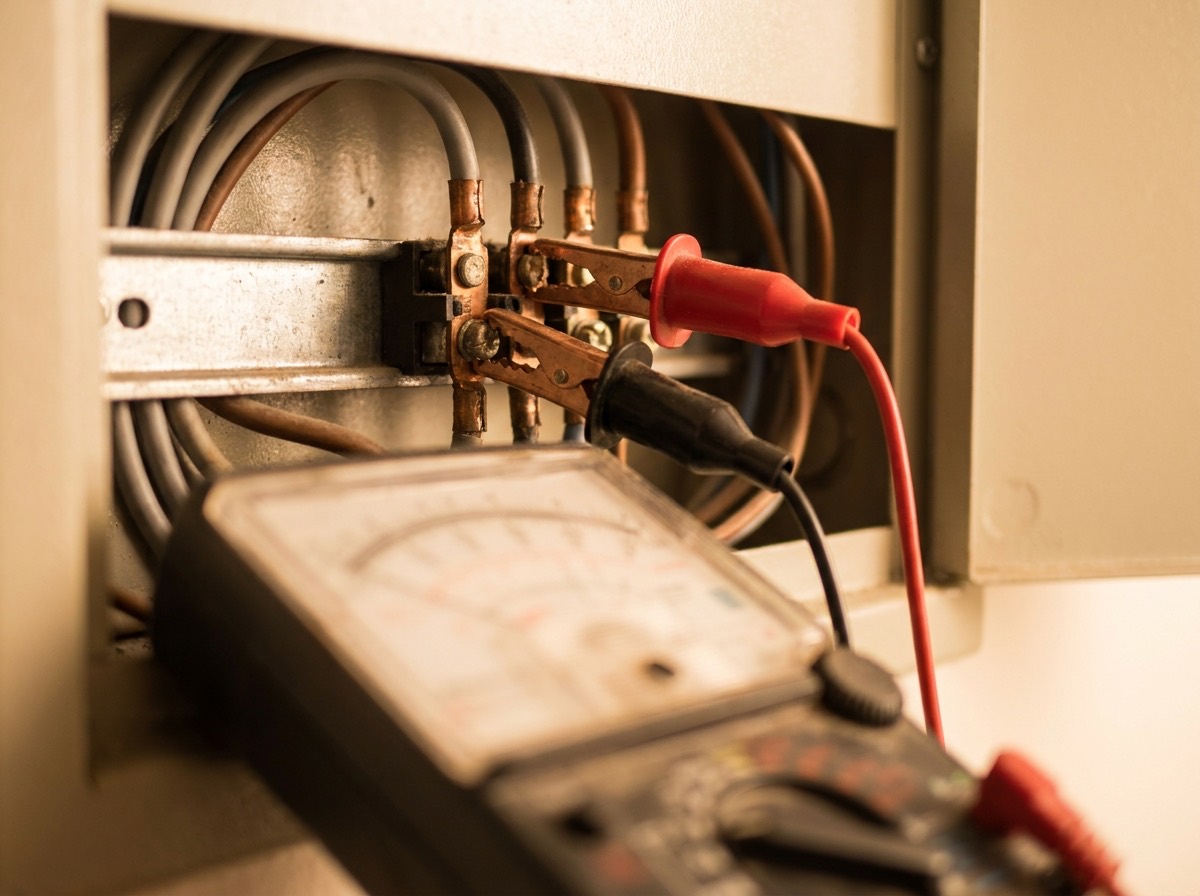
How Often Does a Commercial Property Need an EICR?
Unlike domestic lettings, commercial premises have no single statutory EICR interval. Here are the recognised intervals by premises type and the events that bring an inspection forward.

Commercial Building Survey vs Valuation: Which Do You Need Before Buying?
A survey tells you the building’s condition; a valuation tells a lender what it is worth. They answer different questions, and buyers often need both.
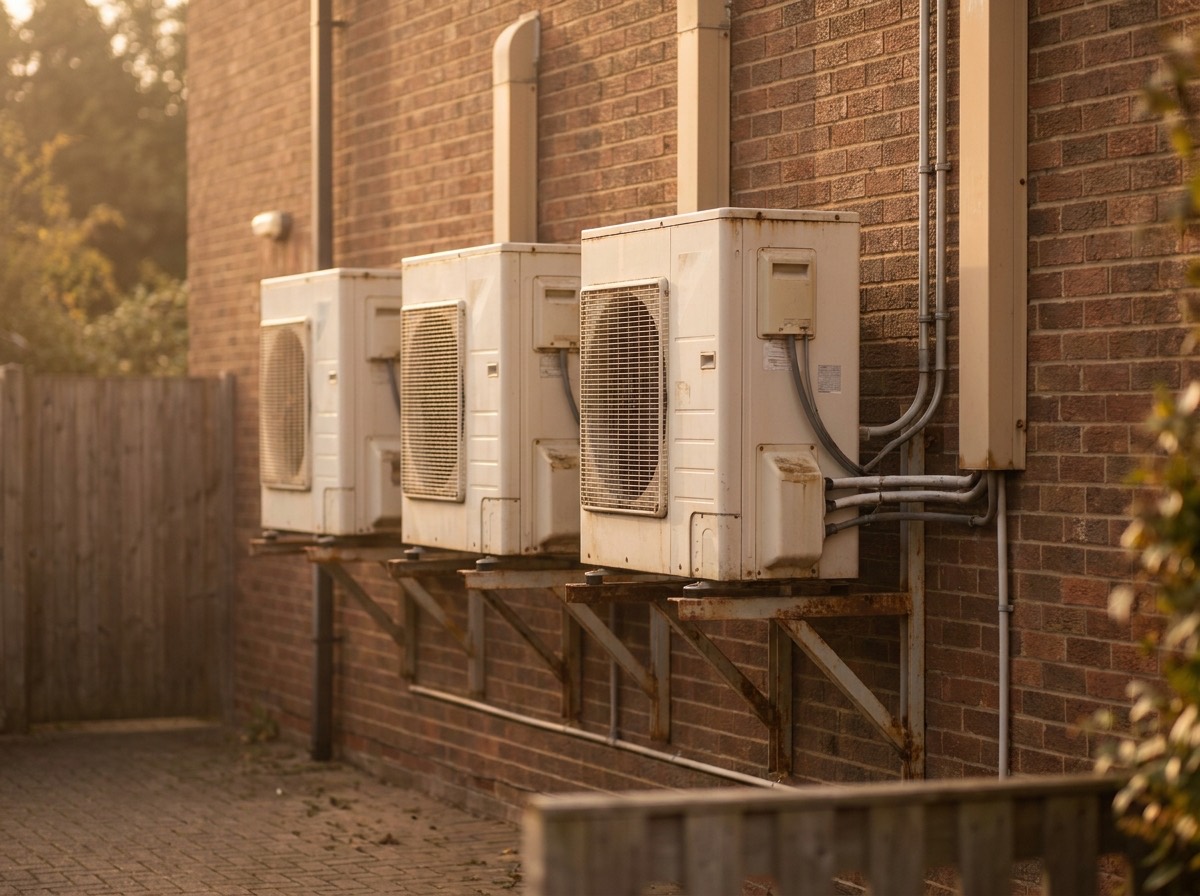
The 12kW Rule: Does Your Air Conditioning Need a TM44 Inspection?
The TM44 duty starts at 12kW, but it is the combined output of all your units, not the biggest one. Here is how to do the sum and the mistakes that leave buildings non-compliant.

Received a Schedule of Dilapidations? A Tenant’s Step-by-Step Response Guide
Received a Schedule of Dilapidations? Don’t panic, and don’t ignore it. Here is the step-by-step of what it is, your window to respond, and how to reduce it.
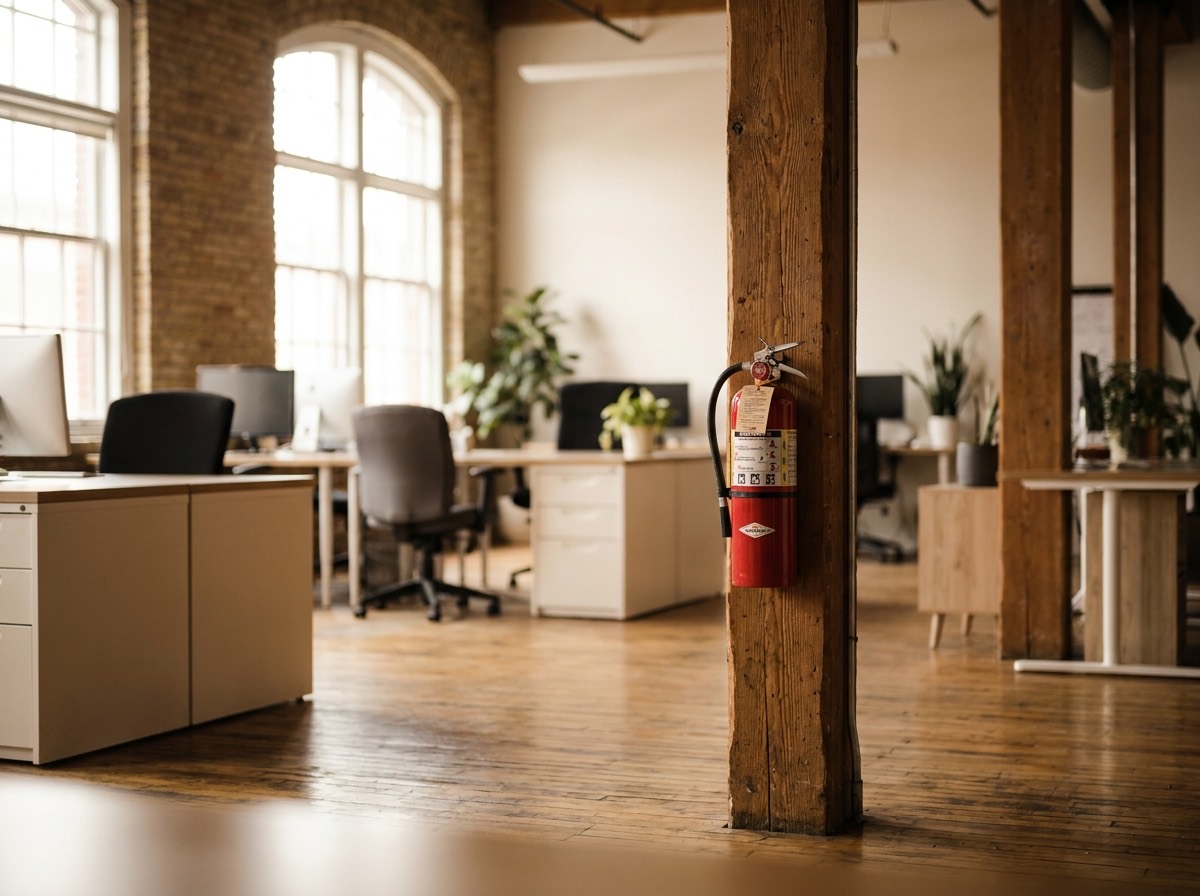
How Many Fire Extinguishers Does a Business Need?
There is no fixed “one per room” rule. The number comes from your Fire Risk Assessment and the provision standard, and most premises need fewer, better-placed extinguishers than suppliers suggest.
Dilapidations Explained: The 56-Day Protocol, Scott Schedule and Your Options
At lease end, landlords serve a Schedule of Dilapidations and a quantified demand. The Pre-Action Protocol sets the timetable. Here’s how it works and how to respond.
How Much Does a Facilities Management Contract Cost?
FM contract pricing is driven by scope and assets, not floor area, which is why quotes vary so much. Here is how contracts are priced, what moves the number and how to compare properly.
How Often Should a Fire Risk Assessment Be Reviewed?
There is no fixed expiry date on a Fire Risk Assessment, which catches people out. Here is what “reviewed regularly” means, the changes that trigger a review, and the routine most businesses settle on.
How Much Does an Asbestos Survey Cost?
A management survey of a small commercial unit starts from around £200, with larger buildings and refurbishment surveys running to four figures. Here is what moves the price and what should be included.

How Much Does a Legionella Risk Assessment Cost?
A legionella risk assessment for a small office starts from around £150, rising with the size and complexity of the water systems. Here is what moves the price and what you should get.
Dilapidations Claim Costs: How Much Could You Pay at Lease End?
Dilapidations claims can run into tens of thousands, but the opening figure is a negotiating position, not a bill. Here is what drives the cost and how it comes down.
How Much Does a Commercial EICR Cost in 2026?
Commercial EICR pricing is driven by circuits and boards, not floor area. Here is what to expect for different premises, what the fee should include and how to avoid remedial surprises.
How Much Does a TM44 Inspection Cost?
A TM44 inspection typically starts from a few hundred pounds for a small building and rises with the number and complexity of systems. Here is what drives the price.
Planned vs Reactive Maintenance: The True Cost of Waiting for Things to Fail
Reactive repairs cost more, every time. Here is the true cost of waiting for things to fail, and why a planned maintenance plan pays back across a portfolio.
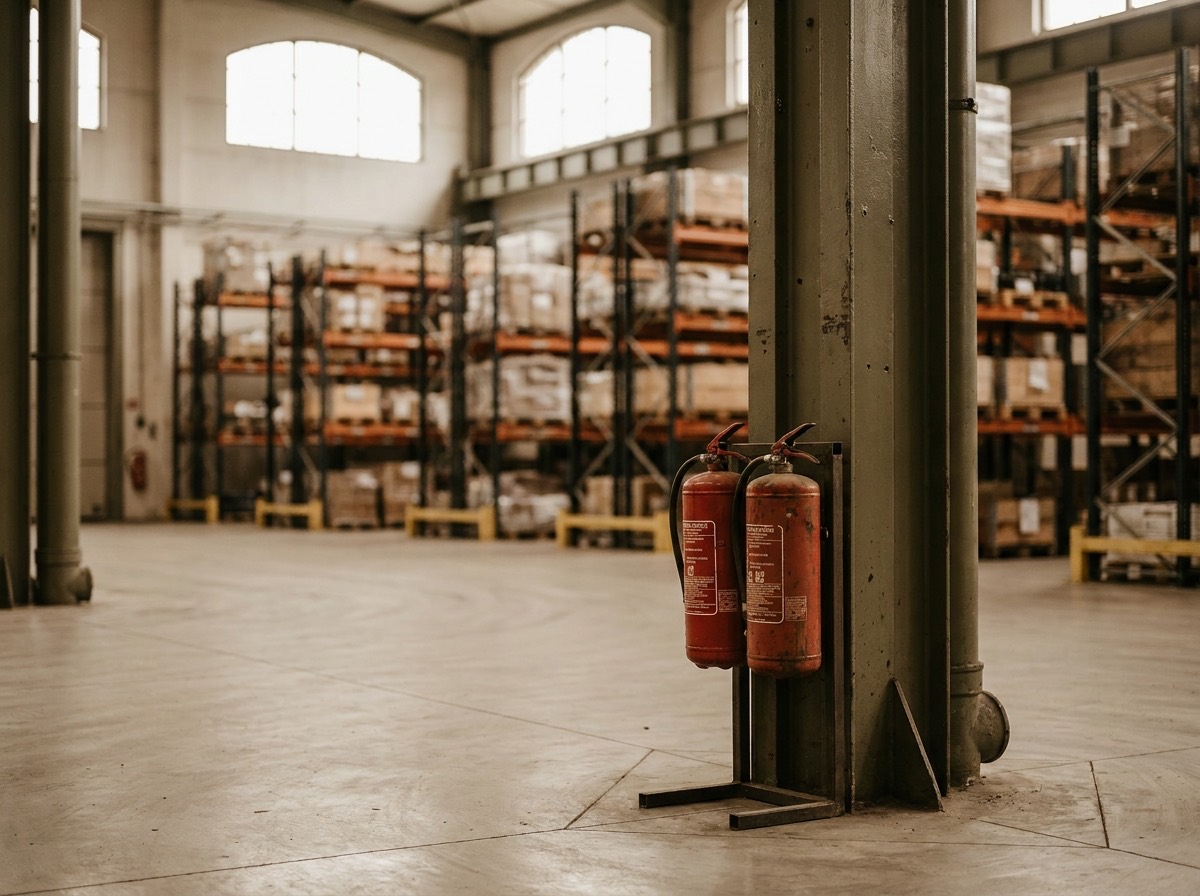
How Much Does Fire Extinguisher Servicing Cost?
Extinguisher servicing is cheap per unit, but the structure of the pricing catches people out. Here is what you actually pay, and how to avoid the common overcharges.

How Much Does a Schedule of Condition Survey Cost in 2026?
A Schedule of Condition typically costs from a few hundred to a couple of thousand pounds, but it caps a dilapidations bill that can run to tens of thousands. Here's what drives the price.
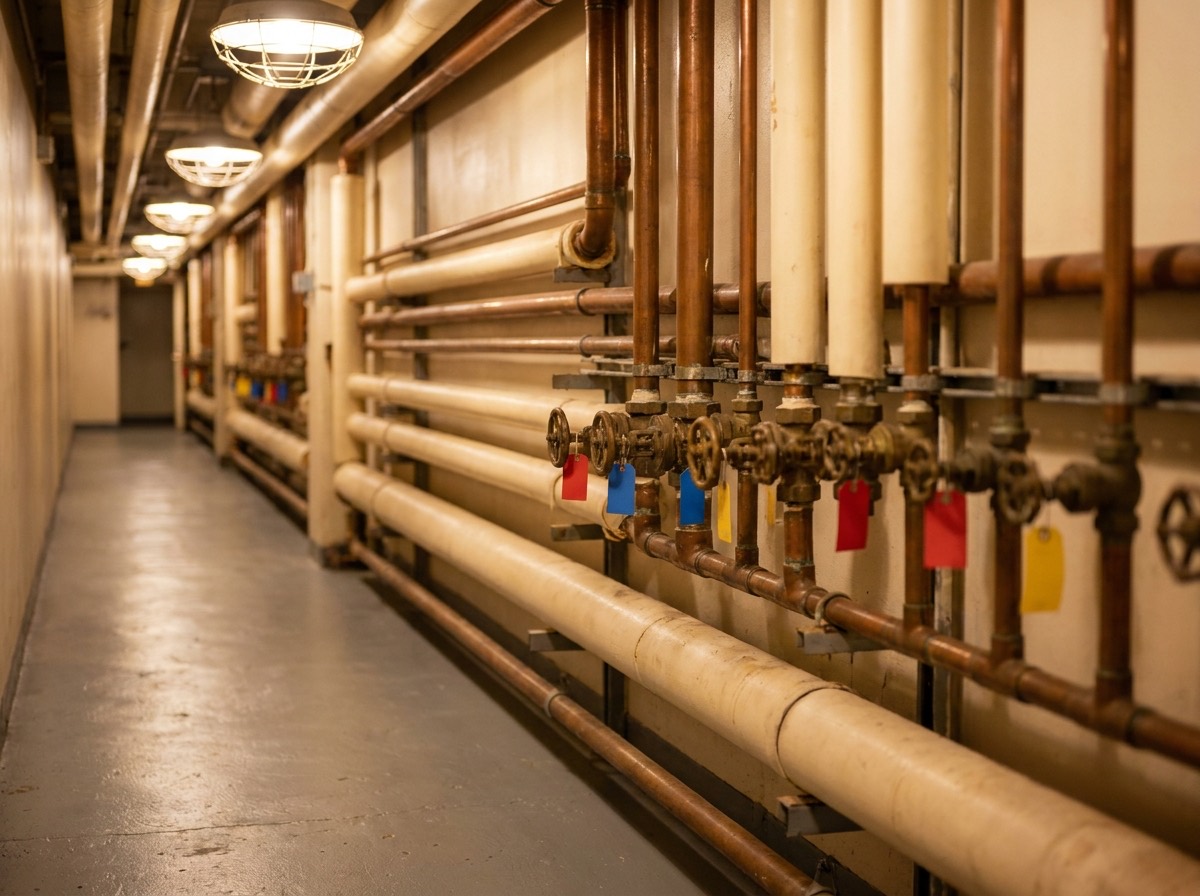
What Is a Commercial Maintenance Contract? Scope, Pricing and What to Expect
A maintenance contract turns the works your building needs into a planned, priced programme with one accountable contractor. Here is what it covers, how it is priced and what to look for.

How Much Does a Fire Risk Assessment Cost in 2026?
A Fire Risk Assessment for a small commercial unit starts from around £200, rising to £1,000 or more for large or complex premises. Here is what moves the price and what you should get for it.
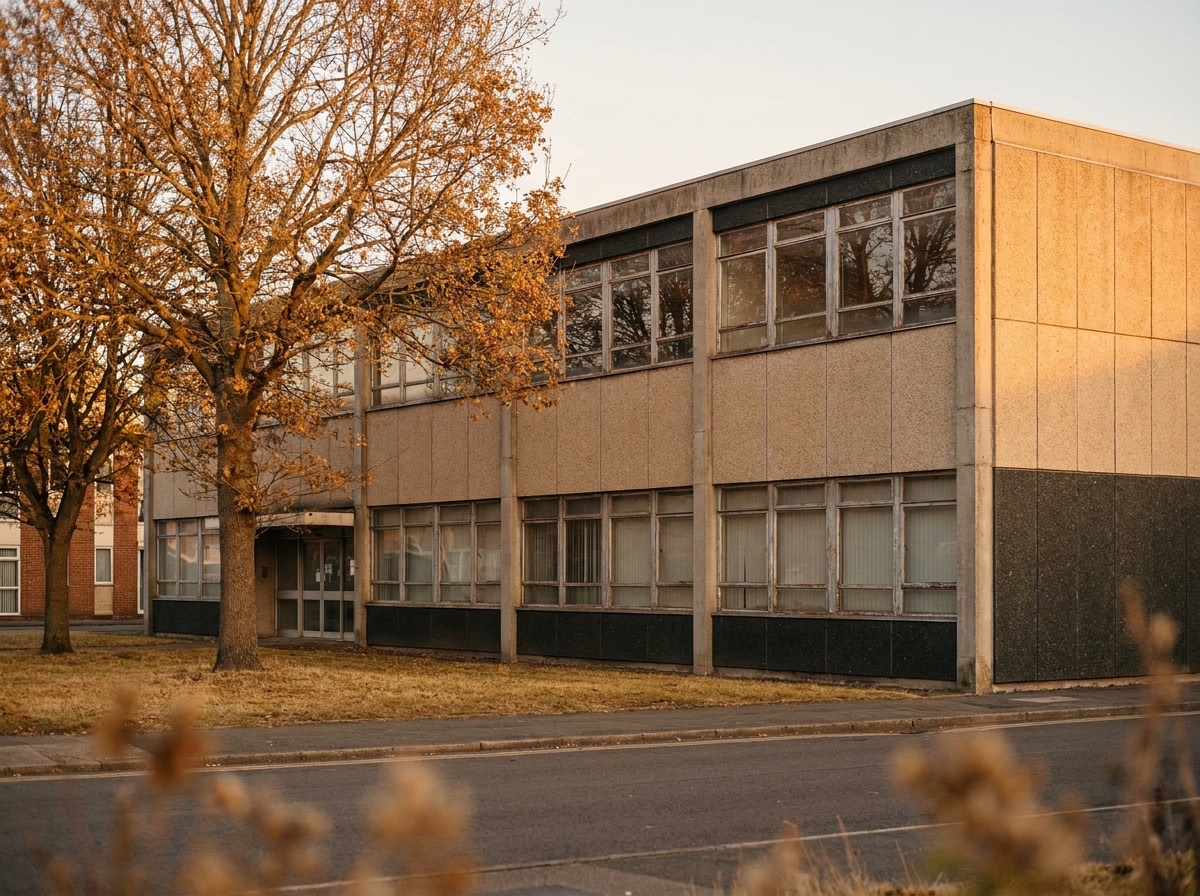
The Duty to Manage Asbestos: What Commercial Property Owners Must Do
If you own, manage or maintain a non-domestic building from before 2000, you have a legal duty to manage asbestos. Here is who it lands on and exactly what it requires.
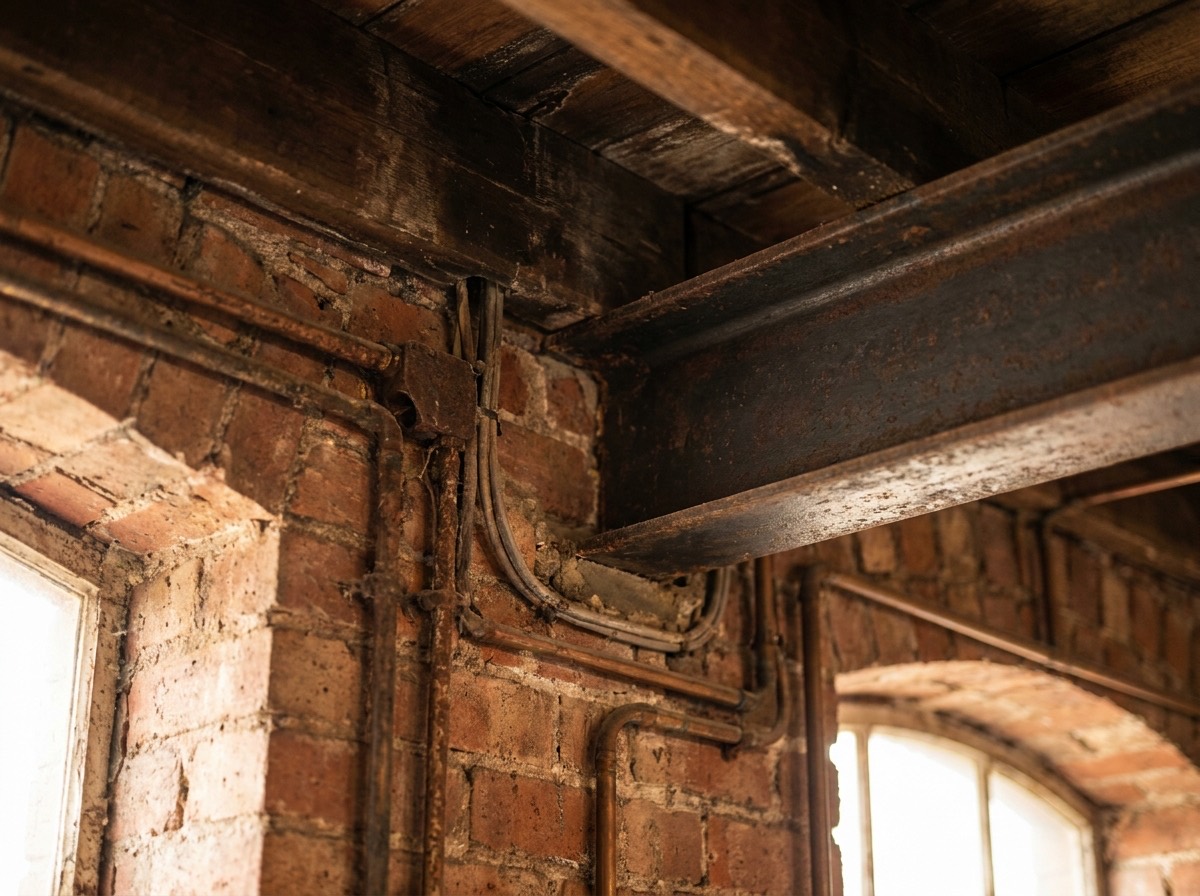
What Does a Commercial Building Survey Cover? Structure, Fabric and Services
A commercial building survey covers structure, roof, fabric, services and defects. Here is exactly what a surveyor inspects and what the report gives you.

Is a Legionella Risk Assessment a Legal Requirement for Businesses?
If your premises has a water system, you have a legal duty to assess and control the risk of legionella. Here is where that duty comes from, who it lands on and what it requires.

FRI Leases Explained: Why Tenants Need a Schedule of Condition
On an FRI lease you are on the hook to repair and hand back the property in good order, whatever its state when you moved in. A Schedule of Condition is how you cap that.
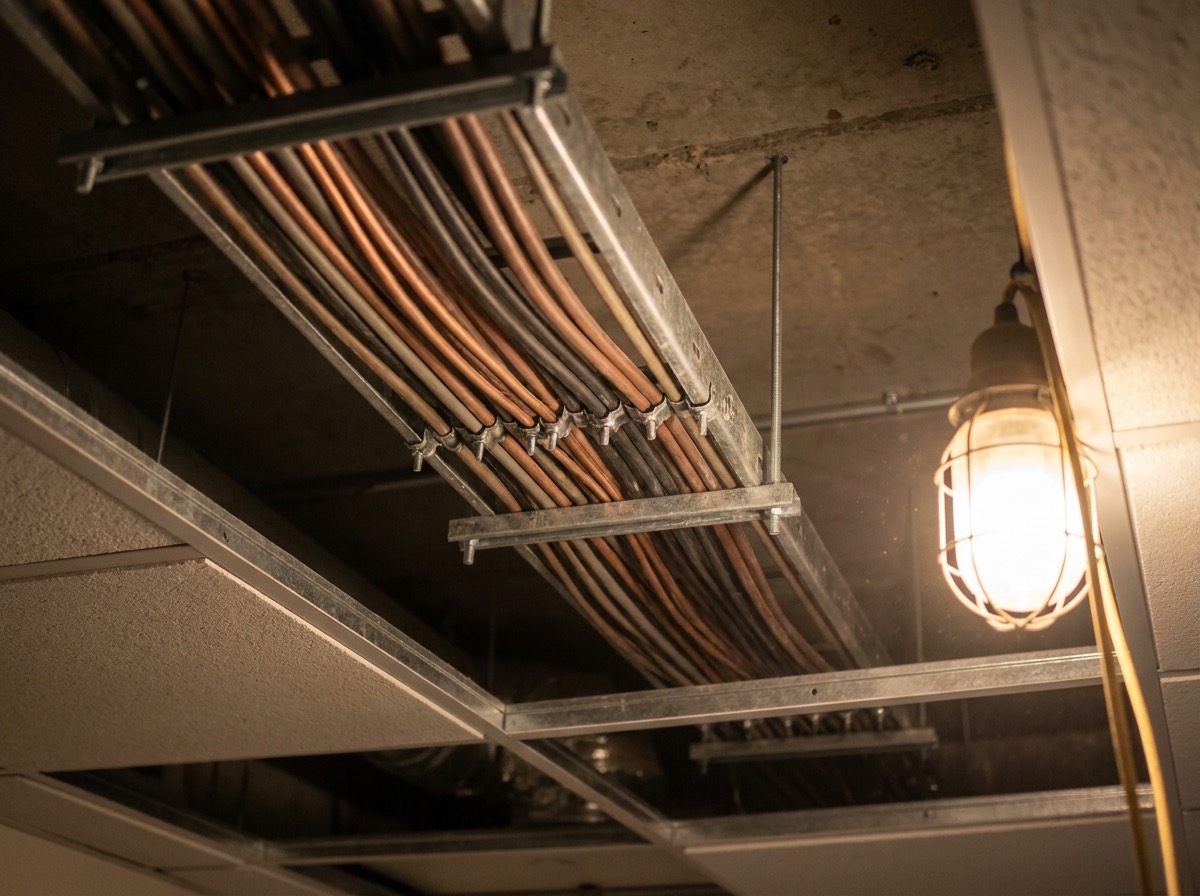
Commercial EICR Explained: What It Is and Why You Need One
An EICR is the periodic inspection that evidences your duty to keep the electrical installation safe. Here is what it covers, who does it, and what the report means for your business.
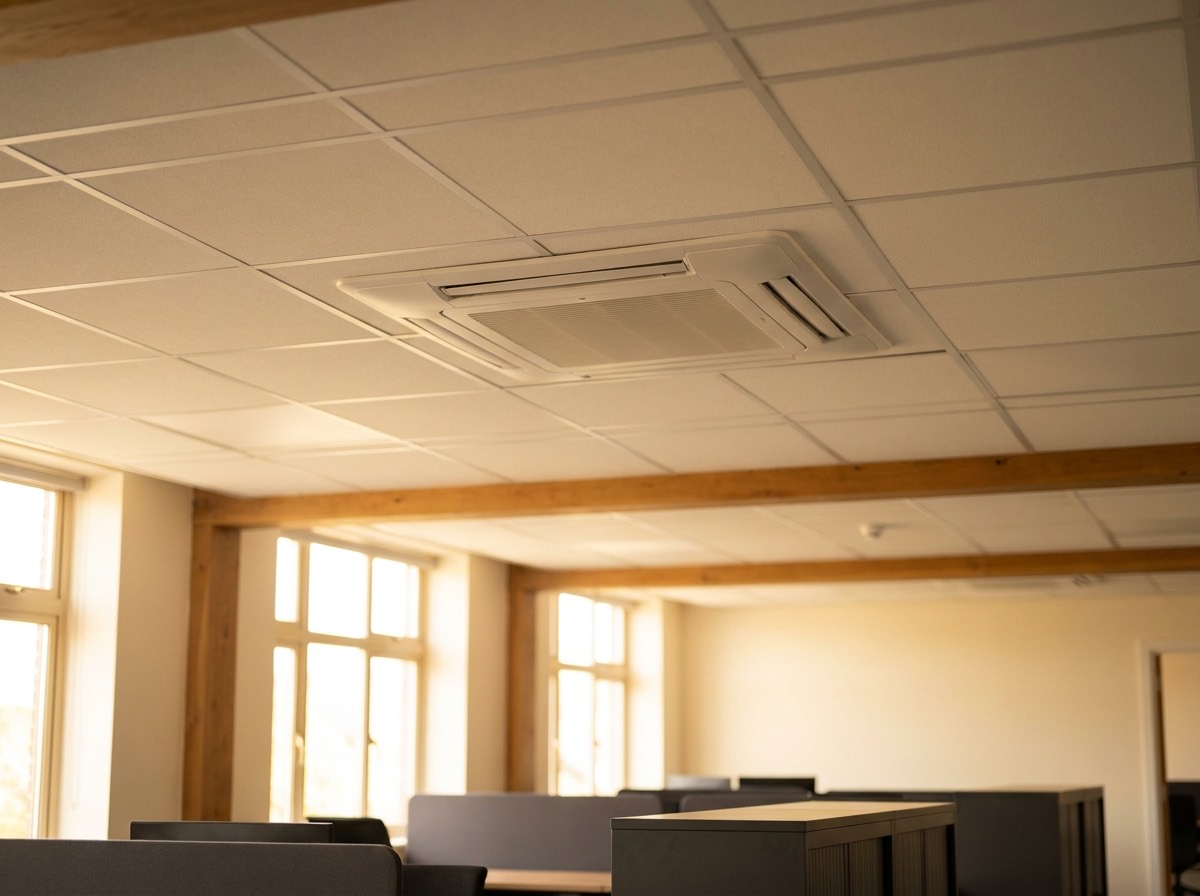
TM44 Air Conditioning Inspections Explained: Who Needs One and When
If your building has more than 12kW of air conditioning, the law requires an accredited inspection at least every five years. Here is what TM44 involves and why it matters beyond compliance.

Fire Extinguisher Servicing Requirements: BS 5306-3 Explained
Extinguishers must be maintained in working order by law, and BS 5306-3 sets out how. Here is what servicing involves, how often, and who is competent to do it.
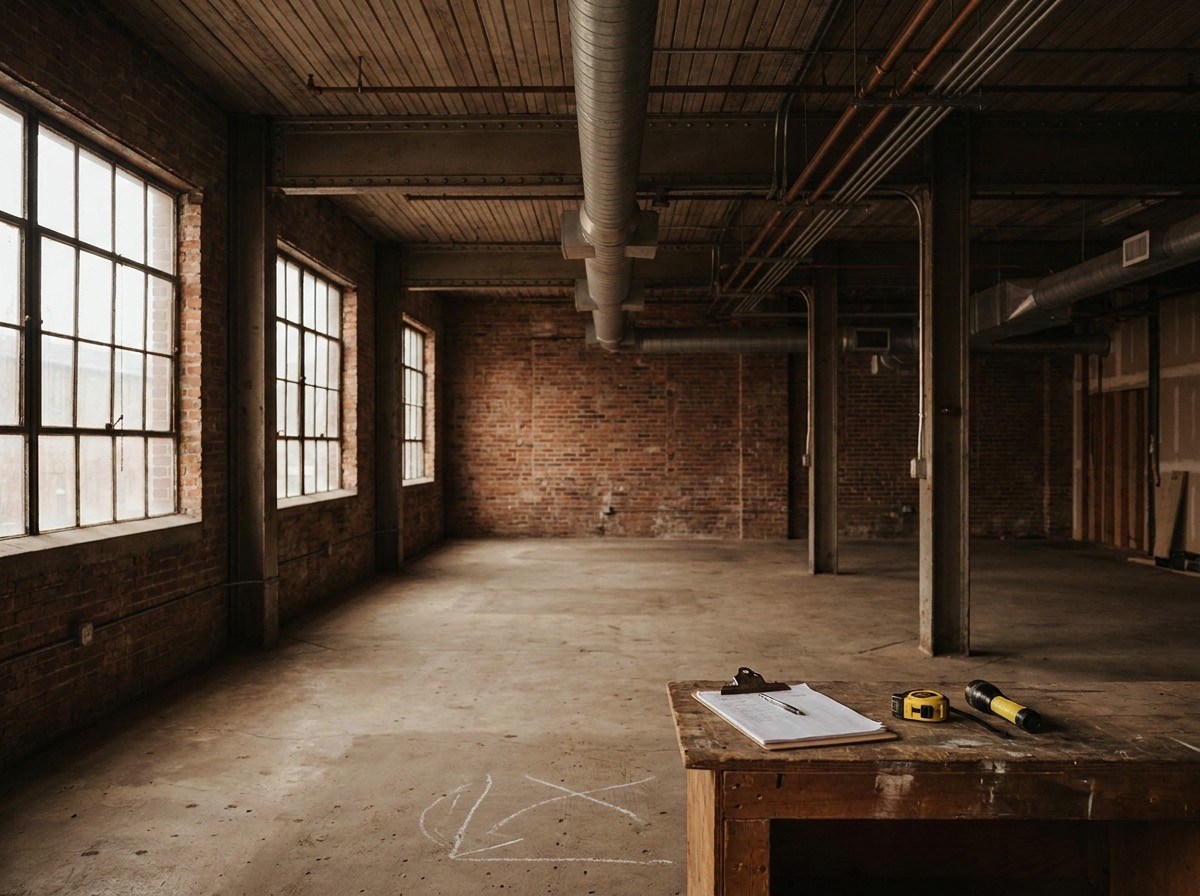
Pre-Purchase Due Diligence: The Commercial Property Buyer’s Checklist
Buying commercial property? A survey is one part of due diligence. Here is the buyer’s checklist, from condition and services to compliance and legal.

Is a Fire Risk Assessment a Legal Requirement? The Responsible Person’s Duty Explained
If you run, own or manage commercial premises, a recorded Fire Risk Assessment is a legal duty, not a nice-to-have. Here is exactly what the law requires and who it lands on.

Commercial Building Survey Cost: What Drives the Price in 2026
A commercial building survey is scoped to the building, so cost varies widely. Here is what drives the price in 2026, and why it is cheap next to the wrong building.
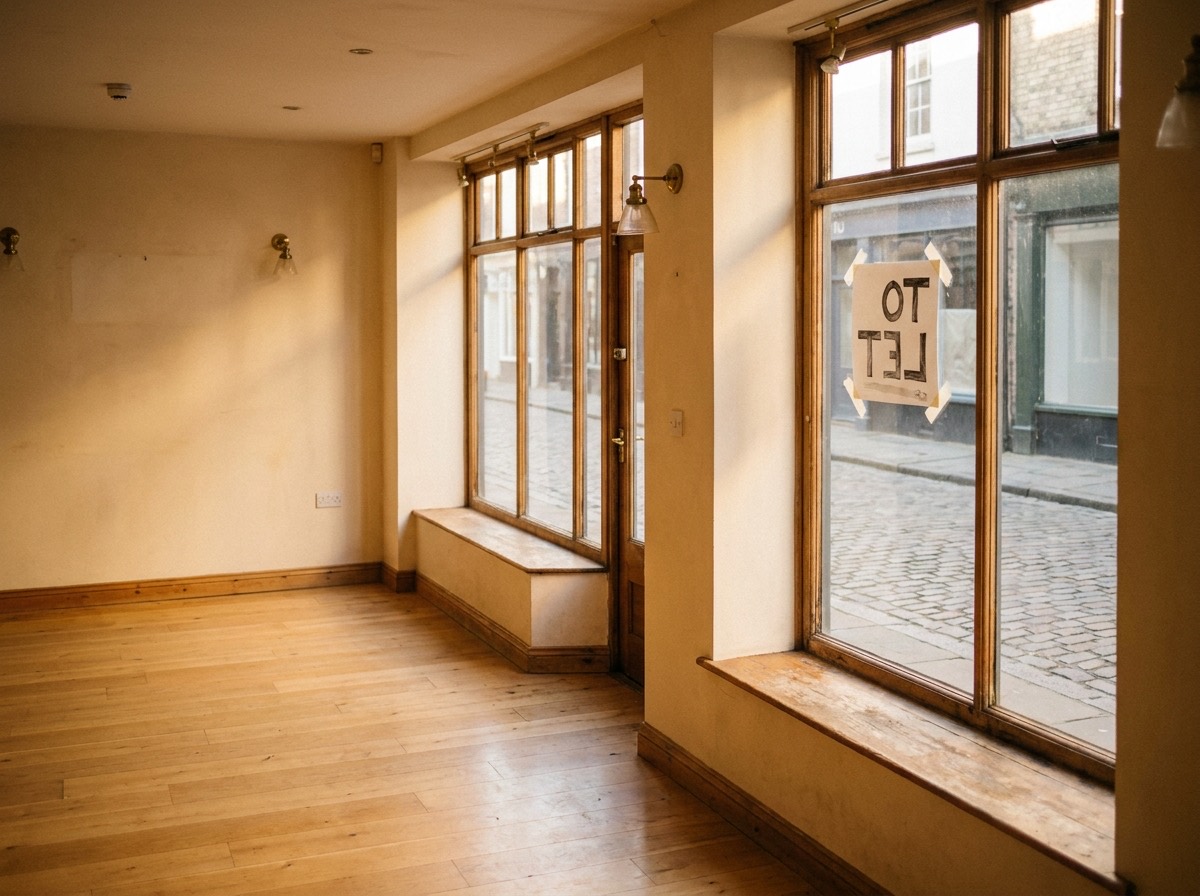
Schedule of Condition vs Dilapidations: How One Prevents the Other
A Schedule of Condition is made at the start of a lease; dilapidations are argued at the end. Get the first right and the second is far smaller.

Party Wall Schedule of Condition: Recording a Neighbour’s Property Before Works
Before works near a party wall, a Schedule of Condition records the neighbour’s property so any later damage claim can be judged fairly. Here is how it works.
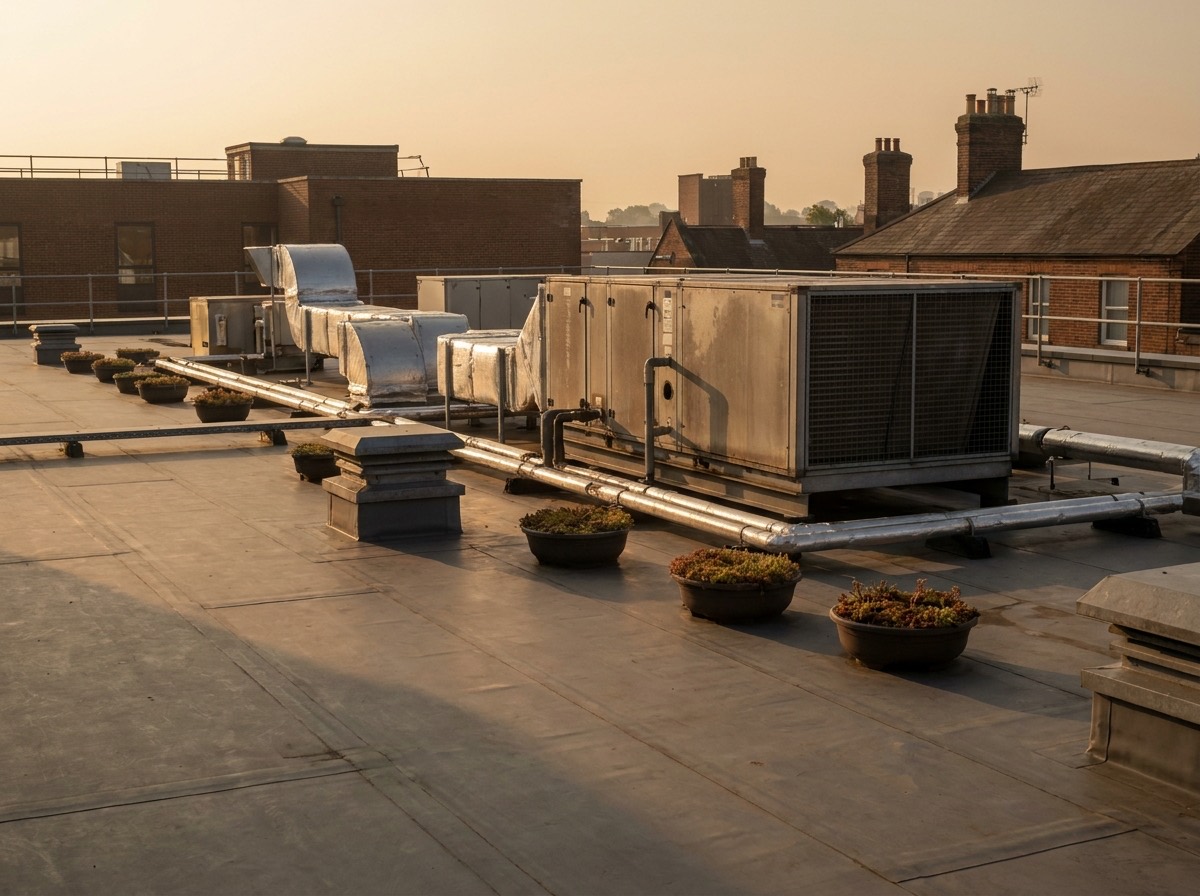
PPM Surveys Explained: Building a 5–10 Year Forward Maintenance Plan
A PPM survey turns reactive repairs into a costed 5–10 year plan. Here is what it covers, what the schedule contains, and who needs one.