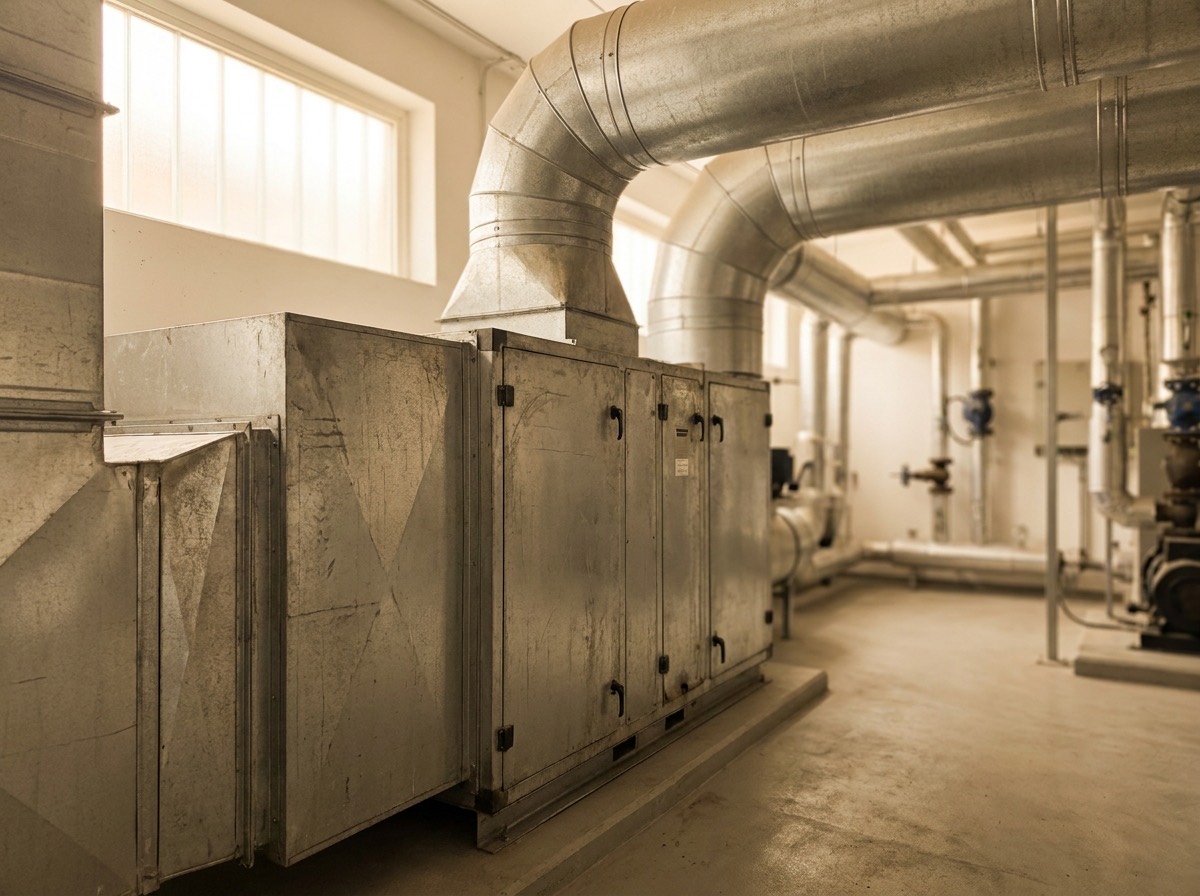
F-Gas Regulations for Commercial Air Conditioning: Leak Checks and Certified Engineers
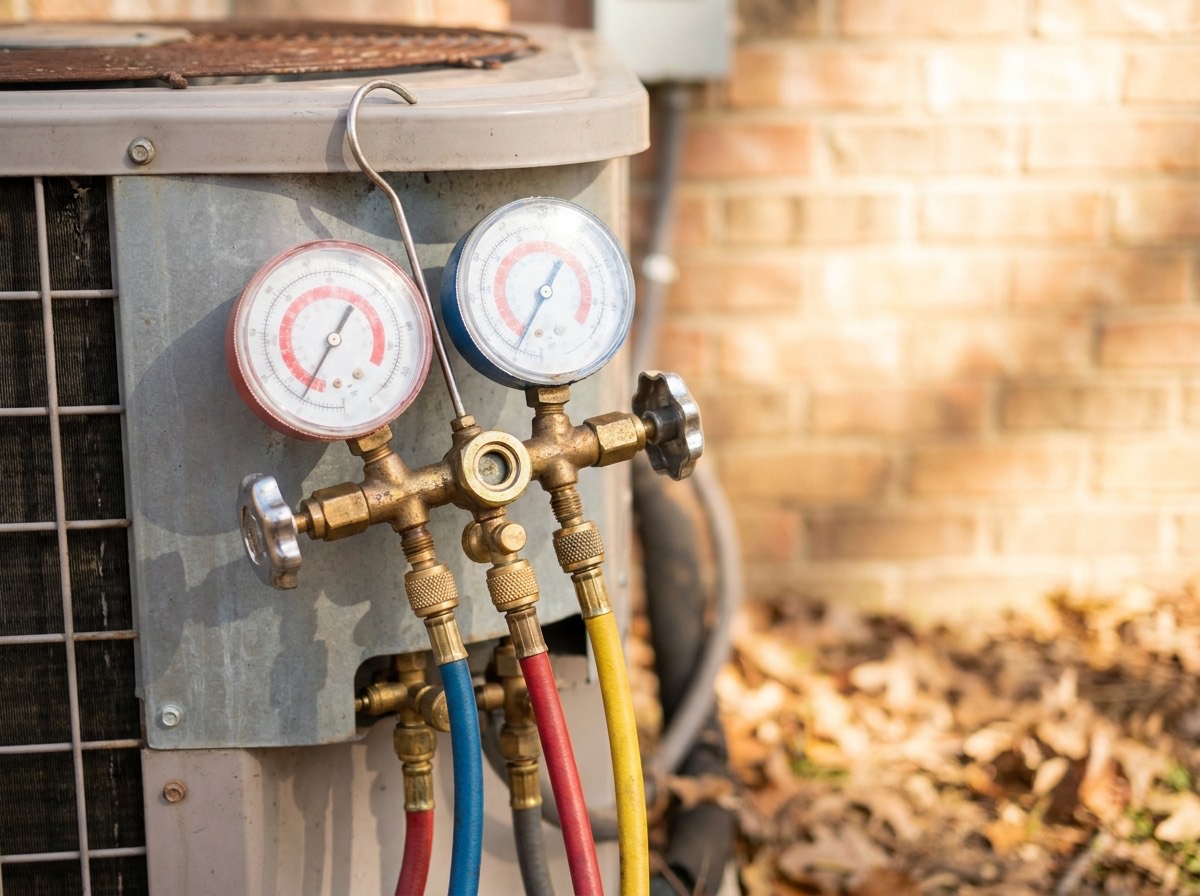
- The F-Gas regulations require operators of equipment containing fluorinated refrigerants to prevent leaks, have systems leak-checked at intervals set by refrigerant charge, and keep records.
- Only certified engineers may install, service, maintain, repair or decommission equipment containing F-gases.
- Leak-check frequency depends on the CO2-equivalent charge: broadly annually above 5 tonnes CO2e, more often for larger charges, with automatic leak detection extending intervals.
- High-GWP refrigerants are being phased down, which affects servicing costs and the case for replacing older systems.
TM44 gets the attention, but the duty that bites more often is F-Gas. The refrigerants in most commercial air conditioning are fluorinated greenhouse gases, and the regulations control who may handle them, how often systems must be checked for leaks and what records the operator keeps. Get this wrong and your servicing contract is non-compliant whatever it says on the invoice.
What the regulations are
Fluorinated gases are the refrigerants in most air-conditioning and refrigeration equipment, and they have very high global warming potential. The F-Gas regime, retained in Great Britain from Regulation (EU) No 517/2014, restricts their use, requires leak prevention and checking, and limits who may work on the equipment. The duties fall on the operator: the person with actual control of the equipment’s technical functioning, usually the building occupier or owner.
General information, not legal advice. The detailed thresholds and intervals are set out in the regulation.
Mandatory leak checks
Equipment containing F-gases above a threshold must be checked for leaks at set intervals, which depend on the quantity of refrigerant expressed in tonnes of CO2 equivalent (the charge multiplied by the gas’s global warming potential). Broadly: annual checks above 5 tonnes CO2e, six-monthly above 50, and quarterly above 500, with intervals doubled where a working automatic leak-detection system is fitted. Many ordinary commercial splits sit below the lowest threshold; larger VRF and chilled-water systems do not.
Certified engineers only
Installation, servicing, maintenance, repair, leak checking, refrigerant recovery and decommissioning may only be carried out by engineers holding the appropriate F-Gas qualification, working for a certified company. An uncertified handyman topping up refrigerant is a breach, and the operator shares responsibility for using them. Ask any servicing provider for their company certification.
F-Gas compliant servicing
Match with F-Gas certified air-conditioning engineers who cover your area. No-obligation quotes.
Records you must keep
For equipment subject to leak checks, operators must keep records of the quantity and type of refrigerant, any added or recovered, the results of leak checks and who carried them out, and the measures taken to repair leaks. Records are kept for at least five years and must be available to the authorities. A good servicing contract produces these automatically.
The phase-down and older systems
The supply of high-GWP refrigerants such as R410A and R404A is being cut back under the phase-down, and some are restricted for servicing. The practical effect is rising refrigerant costs and, for older equipment, a point where repair stops making sense and replacement with a lower-GWP system becomes the better decision. Our guide to air conditioning and your EPC covers why that replacement often pays twice.
F-Gas and TM44 together
They are separate duties: TM44 is a five-yearly efficiency inspection by an accredited assessor; F-Gas is ongoing leak control and competent handling by certified engineers. A servicing contract with a certified provider covers the F-Gas side continuously; the TM44 inspection is booked separately or bundled. ComSurv matches you with F-Gas certified engineers and accredited assessors who cover your area.
Sources & further reading
- Regulation (EU) No 517/2014 on fluorinated greenhouse gases (retained UK law) — the F-Gas regulation as it applies in Great Britain
- Air conditioning inspections for buildings (GOV.UK) — the separate TM44 inspection duty
External links open in a new tab. ComSurv is a matching service, not a firm of surveyors, and is not affiliated with these organisations. This article is general information, not legal, surveying or valuation advice; take advice on your specific situation.