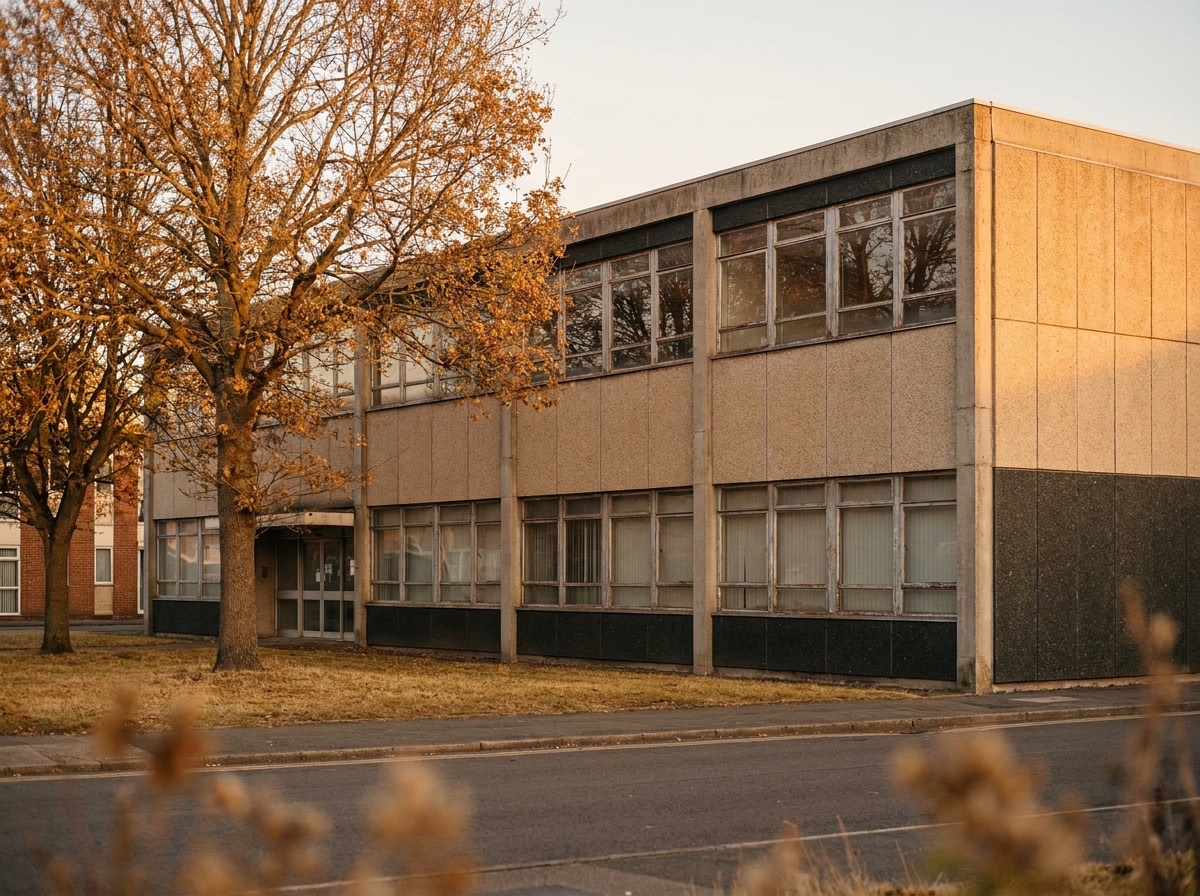
Management Survey vs Refurbishment and Demolition Survey: Which Do You Need?

- HSG264 defines two survey types: the management survey for normal occupation, and the refurbishment and demolition survey before any intrusive works.
- A management survey is minimally intrusive, locates and assesses materials likely to be disturbed in normal use, and feeds the register and plan.
- A refurbishment and demolition survey is fully intrusive, must cover every area the works will affect, and is required before refurbishment or demolition begins.
- Choosing is simple: are you managing the building, or about to disturb its fabric?
Every asbestos survey is one of two things, and they are not interchangeable. A management survey tells you what is there so you can manage a building in normal use. A refurbishment and demolition survey finds everything that could be disturbed by works, which means opening up the building to look. Commission the wrong one and either you are paying for intrusion you do not need, or a contractor is about to disturb something nobody found.
The two types
HSG264 replaced the old “Type 1, 2 and 3” surveys with two: the management survey and the refurbishment and demolition survey. The first is the standard survey for the duty to manage. The second is the survey the law effectively requires before any work that will disturb the fabric of a pre-2000 building.
General information, not legal advice.
The management survey
Its purpose is to locate, as far as reasonably practicable, the asbestos-containing materials that could be damaged or disturbed during normal occupation, including foreseeable maintenance. It involves minor intrusion (lifting ceiling tiles, opening access panels) and sampling of suspect materials, with presumption where sampling is not possible. The report assesses the condition and risk of each material and becomes the register. It is the survey a landlord, occupier or buyer commissions to discharge the duty to manage.
The refurbishment and demolition survey
Required before refurbishment or demolition, its purpose is to find all asbestos-containing materials in the area where the works will take place, so they can be removed before work starts. It is fully intrusive and destructive: the surveyor opens up voids, floors, ceilings and ducts, and the area normally has to be vacated. Its scope can be limited to the parts of the building the works will touch, which keeps the cost proportionate. Contractors should not start intrusive works without it.
Get the right survey
Match with qualified asbestos surveyors for a management or refurbishment survey. No-obligation quotes.
At a glance
| Management survey | Refurbishment and demolition survey | |
|---|---|---|
| Purpose | Manage the building in normal use | Find everything before works |
| Intrusion | Minor | Full, destructive |
| Occupied? | Usually yes | Usually vacated |
| Scope | Whole building, accessible areas | The area of the works, every element |
| When | Now, then re-inspect | Before each project |
Which one you need
If you own, let, occupy or are buying a pre-2000 building and are not about to do works, you need a management survey. If you are about to refurbish, strip out, extend or demolish any part of it, you need a refurbishment and demolition survey of that area, even if a management survey exists, because the management survey will not have looked inside the fabric. Many projects need both: a management survey for the building and a refurbishment survey for the works area.
Getting the right survey
Tell the surveyor what you are doing with the building and they will scope the survey correctly. Our guide to survey costs shows the difference in price. ComSurv matches you with qualified asbestos surveyors who cover your area, with no-obligation quotes.
Sources & further reading
- HSE HSG264: Asbestos, the survey guide — the two survey types defined
- Control of Asbestos Regulations 2012 — the underlying duties
External links open in a new tab. ComSurv is a matching service, not a firm of surveyors, and is not affiliated with these organisations. This article is general information, not legal, surveying or valuation advice; take advice on your specific situation.