Planned vs Reactive Maintenance: The True Cost of Waiting for Things to Fail
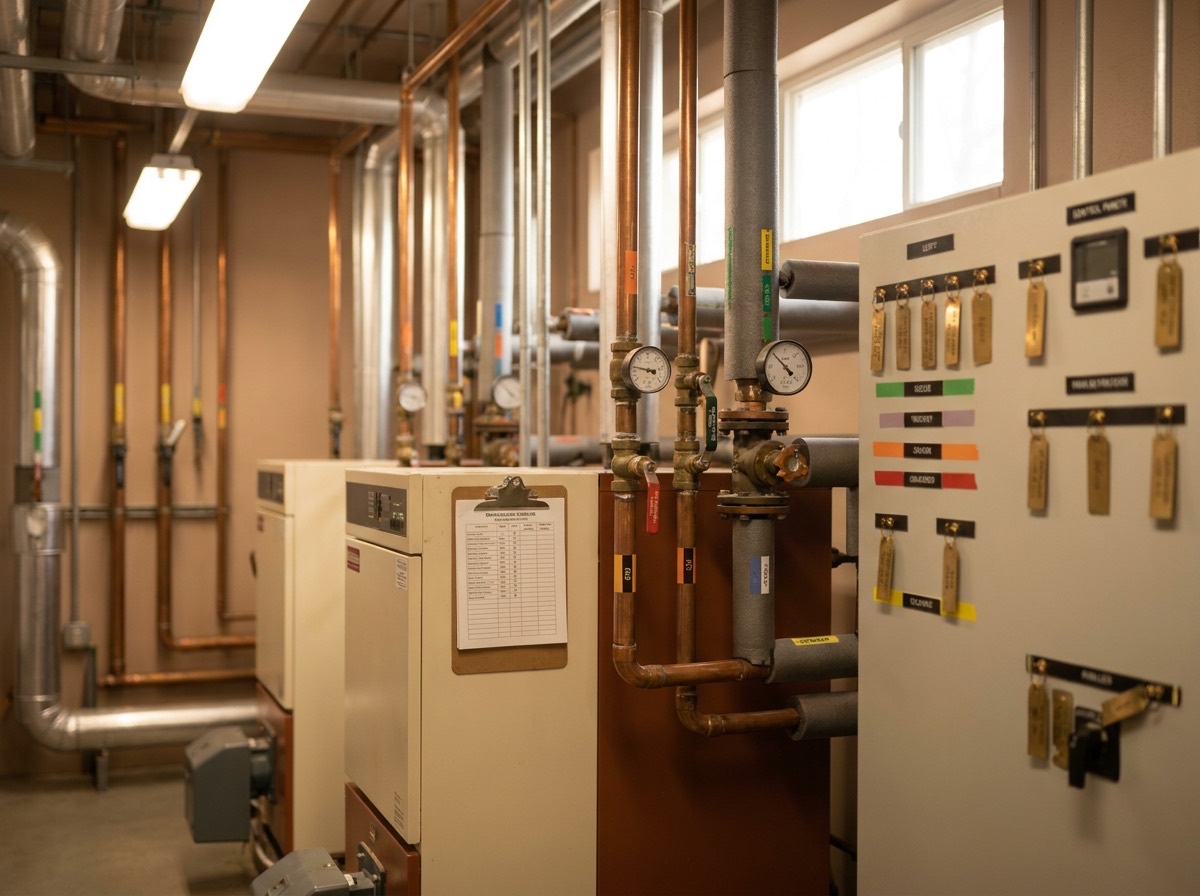
- Reactive maintenance fixes things after they fail, usually at a premium and with disruption.
- Planned maintenance schedules and budgets works in advance, so they can be sequenced and tendered properly.
- Over time planned maintenance is typically cheaper and far less disruptive.
- Across a portfolio the savings and the consistency compound.
Reactive maintenance feels cheaper because you only pay when something breaks. It isn't. Emergency repairs carry a premium, disrupt tenants, and tend to arrive at the worst possible moment. Planned preventative maintenance costs more attention up front and less money over time. Here is the real comparison.
Two ways to run a building
You can run a building reactively, fixing things when they break, or you can run it to a plan, doing works before they fail. Both keep the lights on. Only one keeps costs predictable and tenants happy, and it isn't the reactive one.
The true cost of reactive
- Premium pricing. Emergency call-outs and rushed works cost more than planned ones.
- Disruption. Failures interrupt tenants, sometimes forcing closures, which risks the relationship and the rent.
- Collateral damage. A small unaddressed defect (a failing roof covering, say) becomes a large one, damaging what sits below it.
- No budgeting. Costs arrive unpredictably, wrecking capital plans.
How planned maintenance pays back
A PPM survey gives you a costed, prioritised schedule of works by year. That means you can budget accurately, sequence works to minimise disruption, and tender them competitively rather than paying emergency rates. Small issues get caught before they become big ones. The upfront cost of the survey is modest against the savings it unlocks.
Plan your maintenance
Match with RICS-qualified surveyors for a PPM survey and forward maintenance plan. No-obligation quotes.
Why it compounds across a portfolio
On a single building the benefits are real; across a portfolio they compound. Consistent, comparable PPM reporting lets you plan capital expenditure across the whole estate, prioritise between buildings, and avoid the scenario where several properties hit expensive failures in the same year.
Compliance and asset value
A documented maintenance plan also underpins statutory compliance and supports asset value: a building with an evidenced, well-run maintenance regime is easier to let, to insure and to sell than one kept going on emergency repairs. Planned maintenance follows the RICS PPM professional standard.
Moving from reactive to planned
The first step is a PPM survey. ComSurv matches you with RICS-qualified surveyors who build forward maintenance plans, and you can check regulation via RICS Find a Surveyor.
Sources & further reading
- RICS: Planned Preventative Maintenance professional standard — the RICS standard for PPM
- RICS Find a Surveyor — RICS-regulated building surveyors
External links open in a new tab. ComSurv is a matching service, not a firm of surveyors, and is not affiliated with these organisations. This article is general information, not legal, surveying or valuation advice; take advice on your specific situation.