Commercial EICR Explained: What It Is and Why You Need One
- The Electricity at Work Regulations 1989 require electrical systems to be maintained so as to prevent danger, so far as reasonably practicable.
- An EICR to BS 7671 is the recognised periodic inspection and test of the fixed installation, and the way that duty is evidenced.
- The report codes every observation (C1, C2, C3, FI) and gives an overall satisfactory or unsatisfactory verdict.
- Insurers, landlords, buyers and lenders increasingly require a current, satisfactory EICR.
Most commercial buildings run on an electrical installation that was last looked at properly when it was installed. Cables age, connections loosen, boards get overloaded by a decade of extra equipment, and none of it is visible from the office. The Electrical Installation Condition Report, or EICR, is the periodic inspection that finds it, and it is how a business evidences the legal duty to keep its electrical systems safe.
The legal duty
Regulation 4 of the Electricity at Work Regulations 1989 requires that all electrical systems are constructed and maintained so as to prevent danger, so far as is reasonably practicable. The regulations do not name an inspection or an interval; HSE makes clear that regular inspection and testing is how a duty holder shows the system is being maintained. For commercial premises, that is the EICR.
General information, not legal advice.
What an EICR is
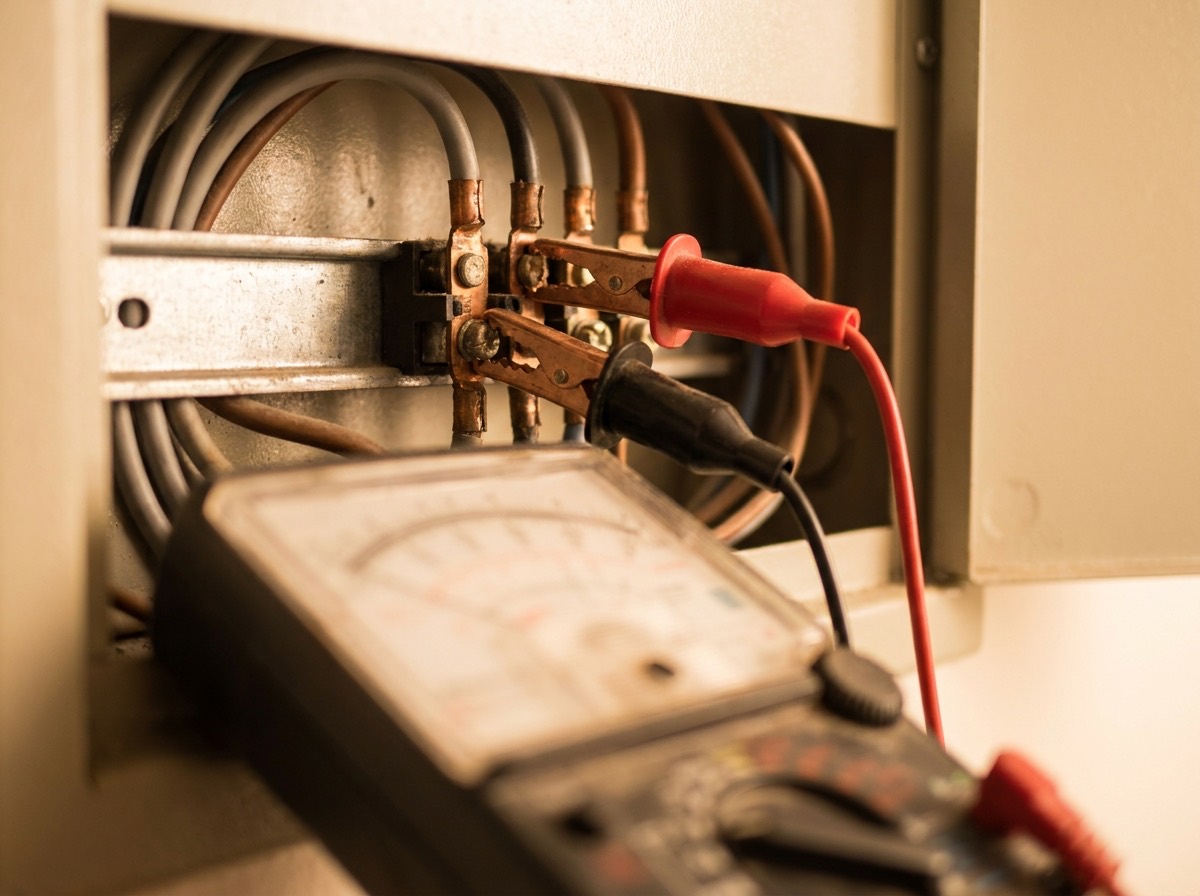
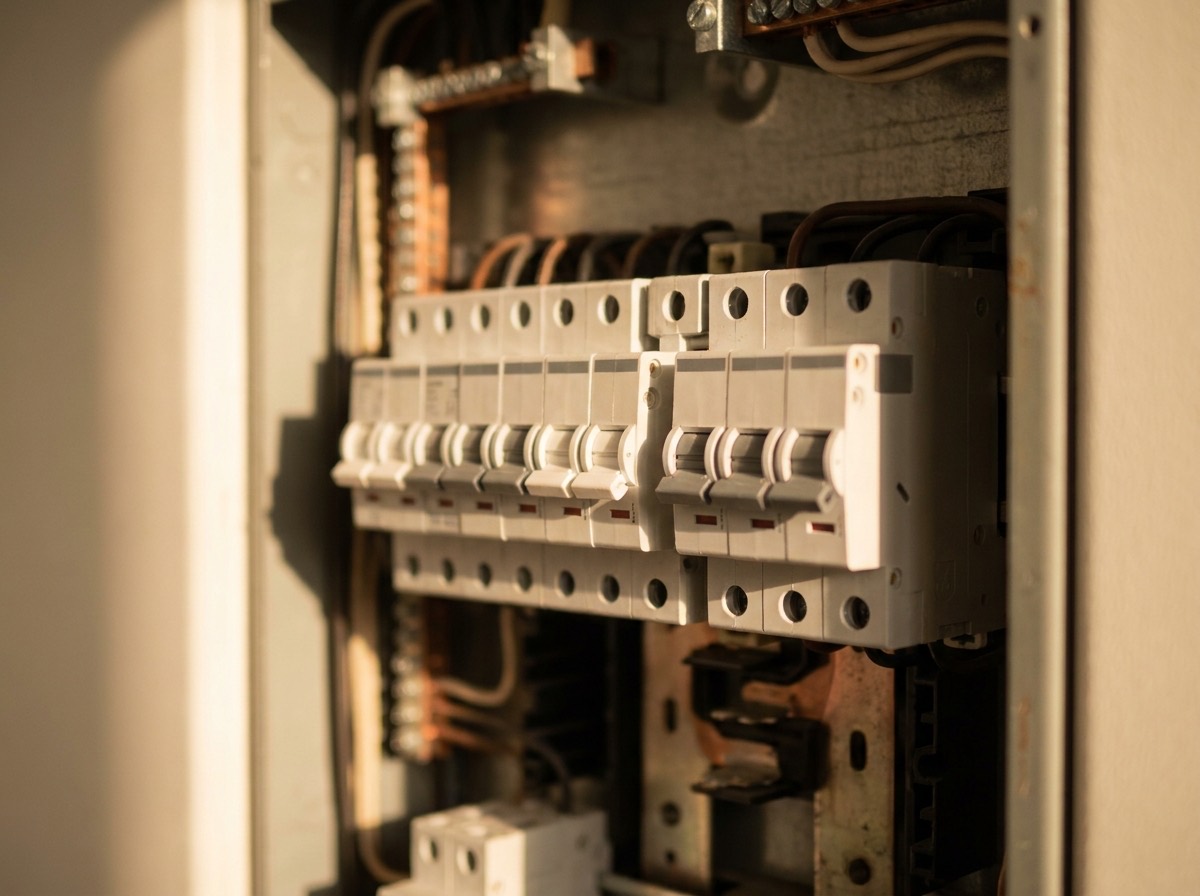
An EICR is a formal inspection and test of the fixed electrical installation (not portable appliances) against the current edition of BS 7671, the IET Wiring Regulations. A qualified inspector examines the distribution boards, wiring, accessories, earthing and bonding, and protective devices, carries out tests on a sample of circuits, and records every observation with a code indicating its seriousness. The result is a report with an overall verdict and a recommended date for the next inspection.
What the inspection covers
- Intake, main switchgear and distribution boards.
- Circuit wiring, its condition and suitability for the load.
- Earthing and protective bonding.
- Protective devices: fuses, circuit breakers, RCDs.
- Accessories: sockets, switches, isolators, lighting.
- Signs of overheating, damage, wear and unauthorised alterations.
- Tests of continuity, insulation resistance, polarity, earth-fault loop and RCD operation on sampled circuits.
Book a commercial EICR
Match with registered electrical inspectors who cover your area and premises type. No-obligation quotes.
What the report tells you
Each observation gets a code: C1 danger present, C2 potentially dangerous, C3 improvement recommended, FI further investigation required. Any C1, C2 or FI makes the installation unsatisfactory until the remedials are done. Our guide to EICR codes explains each, and what to do after an unsatisfactory report covers the next step.
Who needs one
Any employer or person in control of commercial premises, as the duty holder under the regulations. In practice the demand also comes from insurers at renewal, landlords at letting and lease end, buyers and lenders at sale, and tenants doing due diligence. A business without a current EICR is increasingly asked for one by someone.
Who carries it out
A qualified and competent electrical inspector. The simplest evidence of competence is registration with a competent-person scheme such as NICEIC or NAPIT. Ask for registration details and for a sample report. Our guide to how often an EICR is needed covers intervals, and ComSurv matches you with registered inspectors who cover your area.
Sources & further reading
- Electricity at Work Regulations 1989 — the duty to maintain electrical systems to prevent danger
- HSE: Electrical safety at work — HSE guidance on the duty
- HSR25: Memorandum of guidance on the Electricity at Work Regulations — HSE’s detailed guidance on the regulations
- NICEIC — a competent-person scheme for electrical contractors
External links open in a new tab. ComSurv is a matching service, not a firm of surveyors, and is not affiliated with these organisations. This article is general information, not legal, surveying or valuation advice; take advice on your specific situation.