How Often Does a Commercial Property Need an EICR?
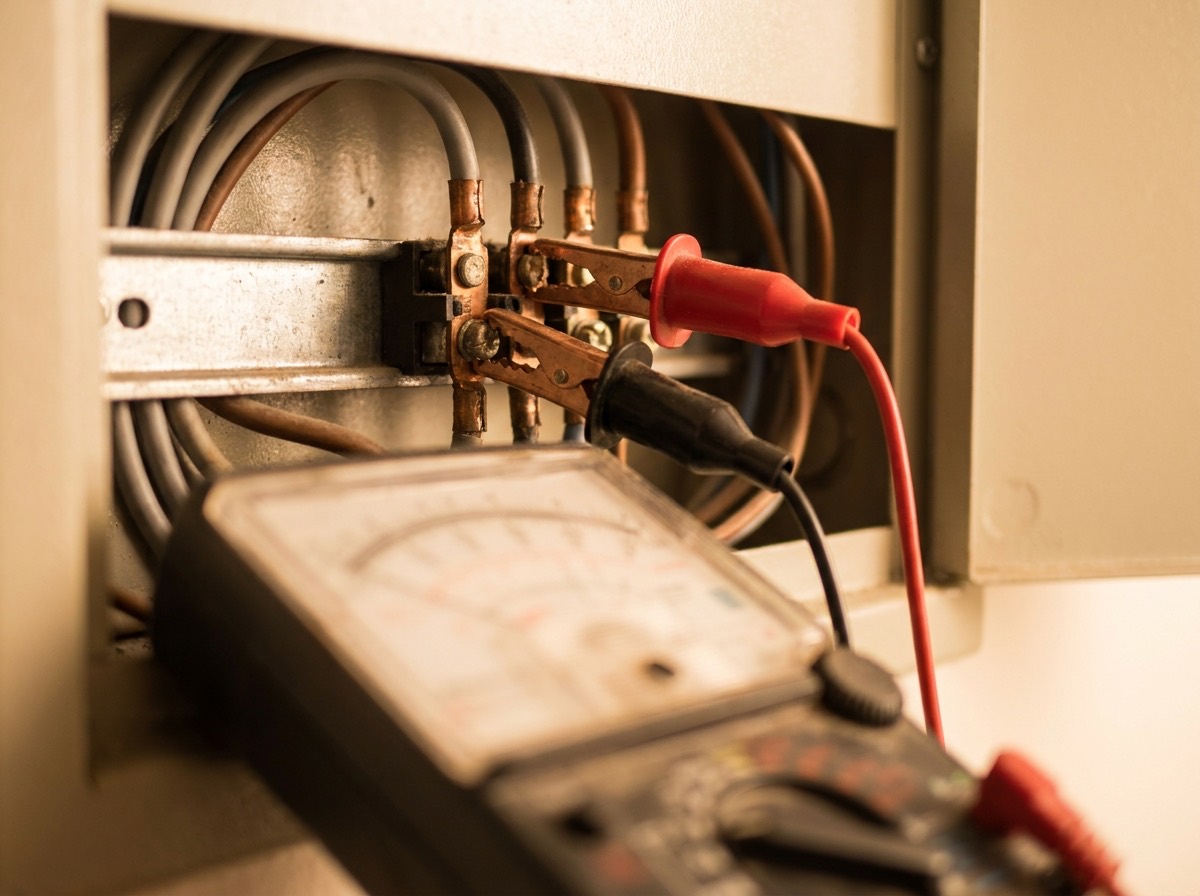
- There is no fixed statutory interval for commercial EICRs. The duty is to maintain the installation safely; periodic inspection is how that is evidenced.
- The recognised guidance intervals are typically 5 years for offices, shops and similar, 3 years for industrial premises and some leisure uses, and 1 year for the highest-risk environments.
- The previous EICR states the recommended date for the next one, and that date is what insurers and auditors look for.
- Change of use, alterations, incidents, a change of occupier or an insurer’s request all justify an earlier inspection.
People often assume there is a law that says “commercial EICR every five years”. There is not, and the distinction matters. The law requires the installation to be maintained safely; the five-year figure is the recognised guidance interval for the most common commercial premises, and it is shorter for higher-risk uses. Here is what applies to yours, and what brings the date forward.
Why there is no single legal interval
The Electricity at Work Regulations 1989 require maintenance to prevent danger but leave the method and frequency to the duty holder, guided by HSE’s HSR25. Domestic private rentals have a specific five-yearly rule under separate regulations; commercial premises do not. Instead, the intervals come from BS 7671 guidance and the inspector’s judgement of the installation and its use.
General information, not legal advice.
The recognised intervals by premises type
| Premises | Typical maximum interval |
|---|---|
| Offices, shops, commercial premises | 5 years |
| Industrial premises, workshops | 3 years |
| Hotels, restaurants, places of public entertainment | 5 years (shorter for some uses) |
| Leisure complexes, swimming pools, agricultural | 1 to 3 years depending on use |
| Construction sites, temporary installations | 3 months |
These are guidance figures. The inspector sets the recommended date for your installation based on its condition, environment and use.
The date on your last report
Every EICR states the recommended date of the next inspection. That date, not a generic rule, is what an insurer, landlord or auditor will check. If you cannot find your last report, treat the installation as due now. Our guide to what an EICR involves covers what the report contains.
Due an inspection?
Match with registered electrical inspectors who cover your area. No-obligation quotes.
What brings an inspection forward
- Change of use or occupier.
- Significant alterations or additions to the installation.
- An electrical incident, fire, or repeated tripping.
- Visible damage, overheating or water ingress.
- An insurer, landlord or lender request.
- Sale, purchase or a new lease.
Between inspections
Periodic inspection does not replace routine maintenance. Visual checks for damage, keeping boards accessible, not overloading circuits and having alterations done by competent electricians all form part of the duty. A planned maintenance contract can carry these.
Booking the inspection
ComSurv matches you with registered electrical inspectors who cover your area and premises type, with no-obligation quotes. If your last report is missing or past its date, that is the moment to book.
Sources & further reading
- Electricity at Work Regulations 1989 — the duty to maintain
- HSR25: Memorandum of guidance on the Electricity at Work Regulations — HSE guidance on maintenance and inspection
- IET: BS 7671 Wiring Regulations — the standard inspections are carried out against
External links open in a new tab. ComSurv is a matching service, not a firm of surveyors, and is not affiliated with these organisations. This article is general information, not legal, surveying or valuation advice; take advice on your specific situation.