Legionella in a Small Office: Do You Really Need an Assessment?
- The duty to assess applies to any premises with a water system, including a small office, but the assessment should be proportionate to the risk.
- For simple hot and cold systems with no showers, tanks or stored water, the assessment is short and the controls are a few routine checks.
- The risk rises if there are showers, a cold water tank, long or dead pipework, periods of low use, or vulnerable people.
- A proportionate assessment plus a simple logbook is all most small offices need, and it keeps you out of HSE’s sights.
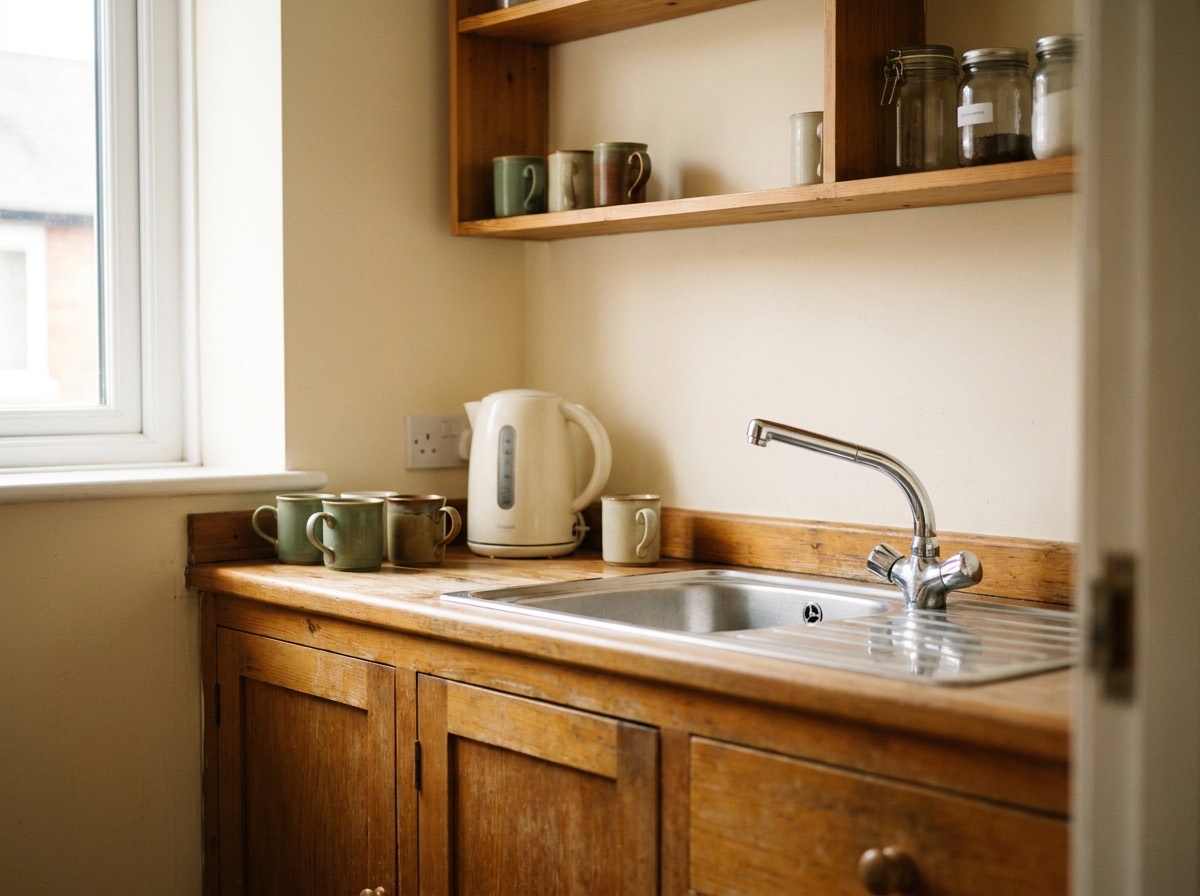
The honest answer to “do we really need one?” is yes, and the honest follow-up is that it should not cost much or take long. The law requires every employer with a water system to assess the legionella risk, but it also expects the assessment and the controls to be proportionate. A ten-person office with a kitchen and two WCs is low risk, and a good assessor treats it that way.
Why the duty still applies
The Health and Safety at Work Act and COSHH do not have a small-business exemption for legionella, and HSE is clear that the duty to assess applies wherever there is a water system that could create a risk. What the law does allow is proportionality: a low-risk system needs a simple assessment and simple controls. Our guide to the legal requirement covers the duty.
General information, not legal advice.
What makes a small office low risk
- Mains-fed cold water with no storage tank.
- Instantaneous or small point-of-use hot water, or a combination boiler, with no stored hot water.
- No showers or spray outlets.
- Outlets used daily, with no dead legs.
- No vulnerable occupants.
Where all of these hold, the assessment can often be completed quickly and the written scheme is a short routine.
What a proportionate assessment looks like
A competent assessor surveys the system, confirms the low-risk features above, takes a few temperatures, draws a simple schematic, and produces a short written assessment with a short scheme: perhaps monthly temperature checks at a sentinel tap, weekly flushing of any rarely used outlet, and a review every two years. Our guide to assessment costs shows this sits at the bottom of the price range.
Get a proportionate assessment
Match with competent legionella assessors who scale the work to the risk. No-obligation quotes.
When the risk is higher than it looks
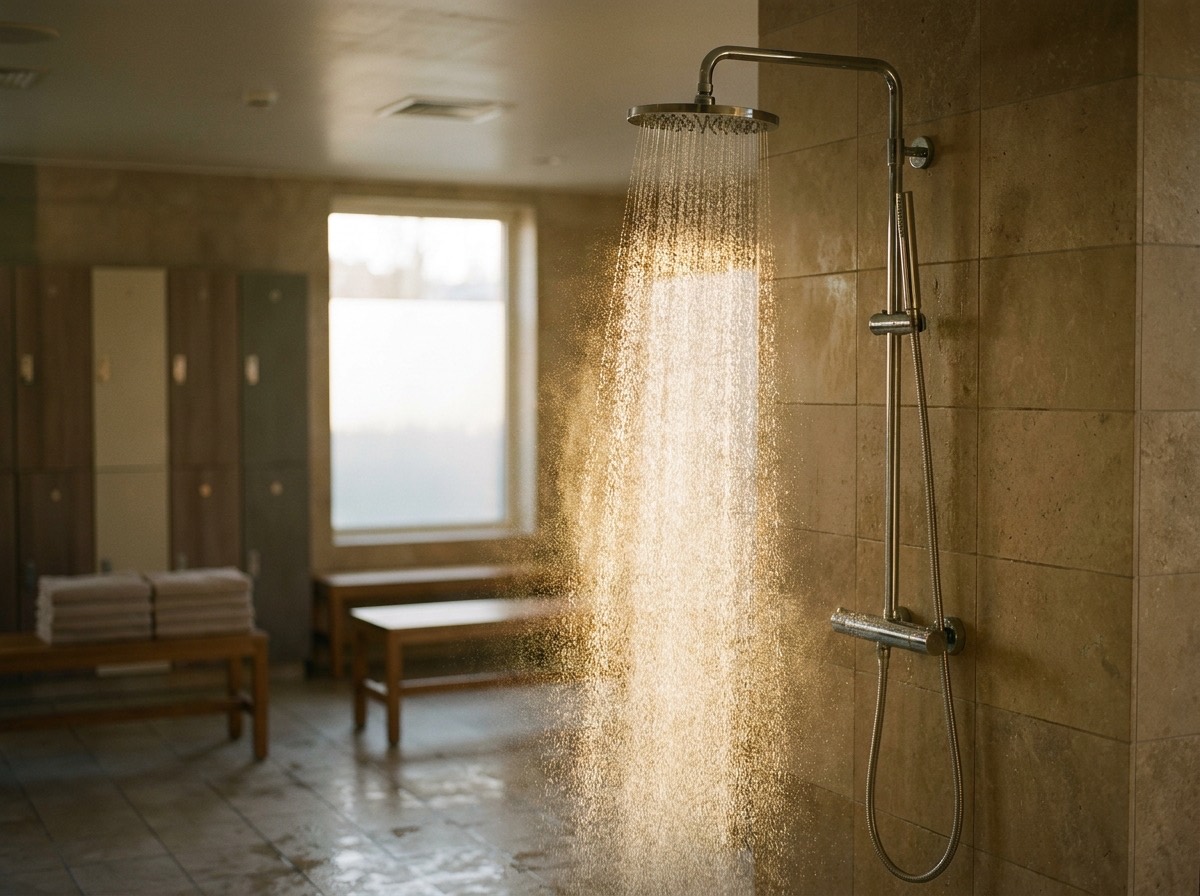
- A shower for cyclists or staff: aerosol risk, quarterly cleaning needed.
- A cold water tank in the roof: stored water that warms up in summer.
- Dead legs from removed equipment or unused rooms.
- Low use: part-time occupation, holidays, hybrid working leaving outlets unused for days.
- Older buildings with long pipe runs and unknown pipework.
Any of these moves the office out of the simplest category and the scheme should reflect it.
A simple routine
Name someone responsible, buy a calibrated thermometer, run the monthly checks and weekly flushes, and write them in a logbook. Review the assessment every two years or when anything changes. That is the whole of legionella compliance for most small offices, and it takes less time per month than the fire alarm test.
Getting it done
ComSurv matches you with competent legionella assessors who scale the assessment to the risk, so a small office gets a small job. Compare no-obligation quotes.
Sources & further reading
- HSE: Legionnaires’ disease — HSE’s guidance, including on simple systems
- HSE ACoP L8 — the duty to assess
External links open in a new tab. ComSurv is a matching service, not a firm of surveyors, and is not affiliated with these organisations. This article is general information, not legal, surveying or valuation advice; take advice on your specific situation.