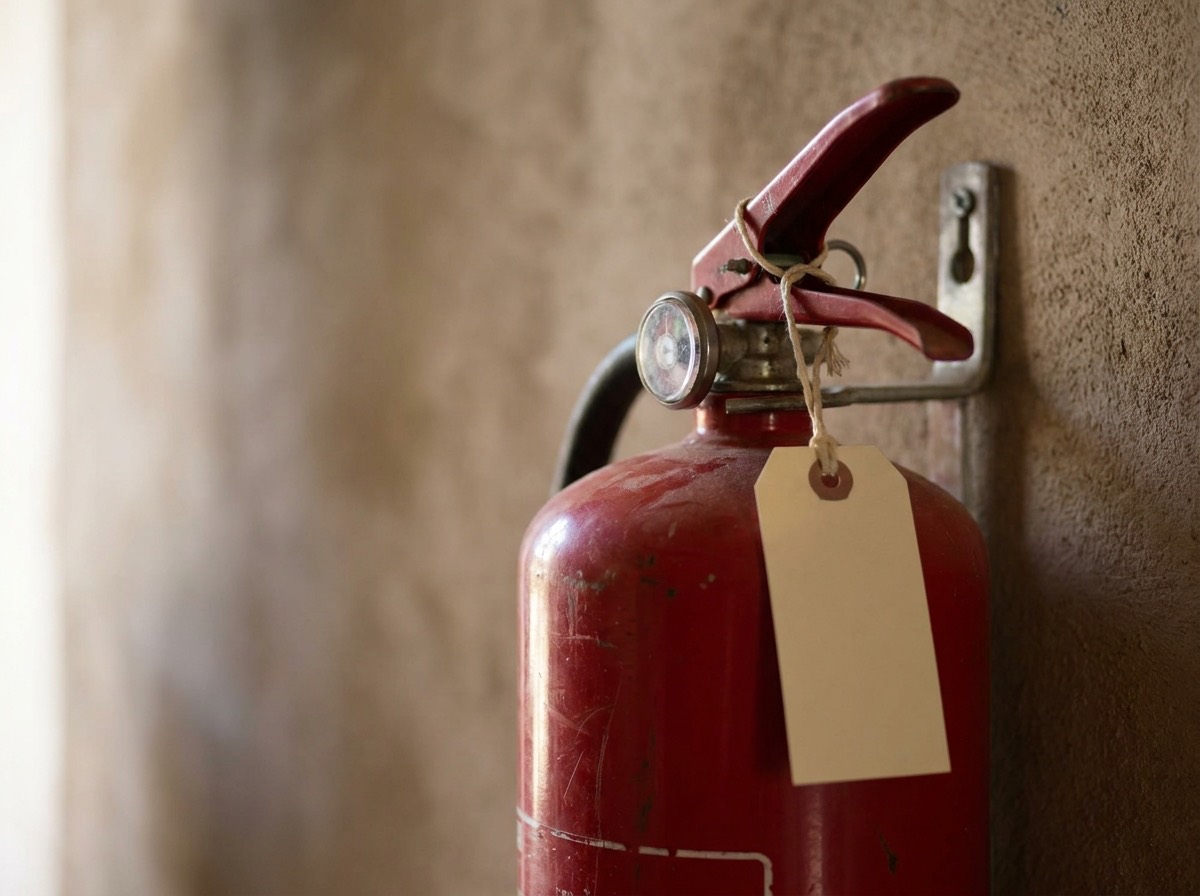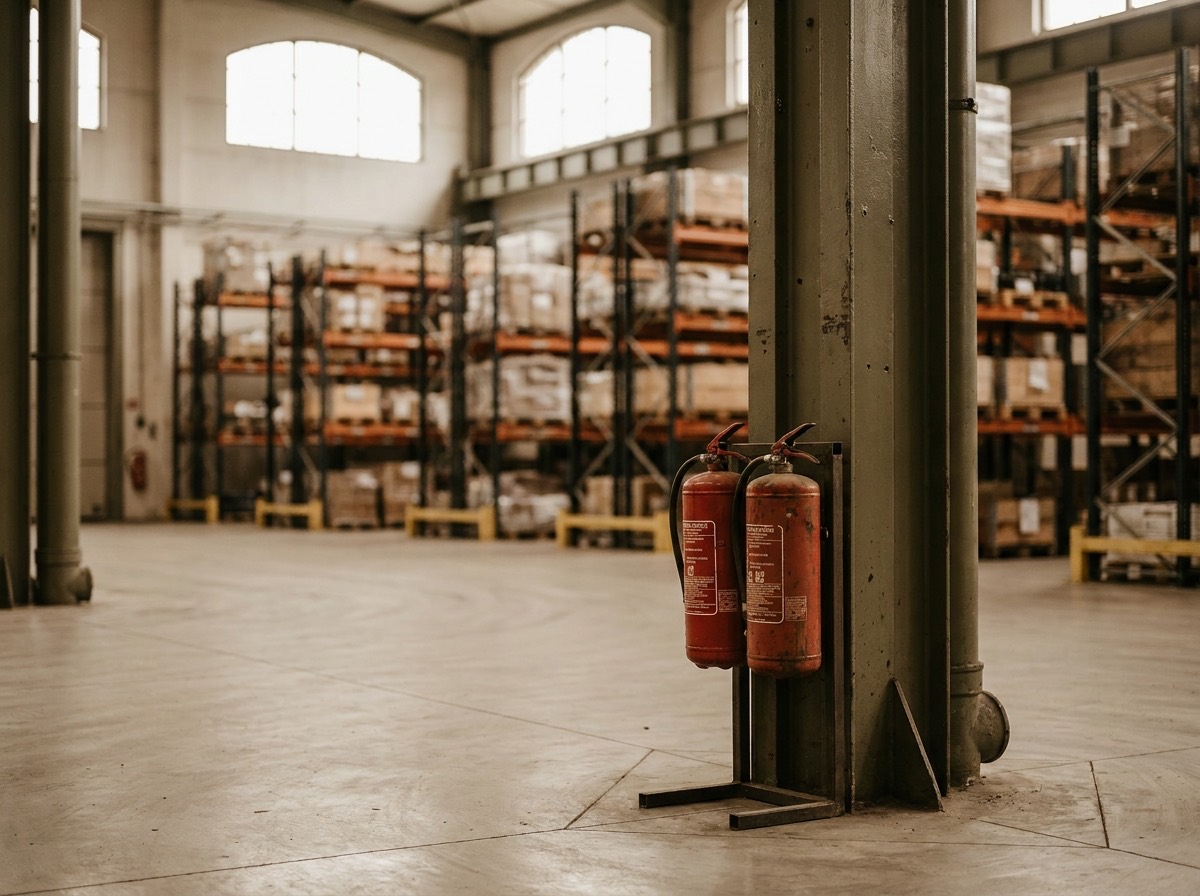
- The annual basic service is typically charged per extinguisher plus a call-out or minimum charge; small sites often pay a fixed minimum regardless of unit count.
- Extended services (5 years for water, foam, powder; 10 for CO2) cost more and are often not worth it on small units, where replacement is cheaper.
- Watch for inflated “parts” and unnecessary replacements. A certified engineer should explain any item they recommend.
- Portfolio contracts and bundling with your Fire Risk Assessment review usually reduce the per-site cost.
Per extinguisher, servicing costs less than a round of coffees. The reason bills surprise people is the structure: a call-out charge, a per-unit fee, then extended services, replacements and “parts” that can double the total. Knowing how it is priced is the difference between a sensible annual contract and an invoice you cannot explain.
How servicing is priced
Most providers charge a call-out or minimum fee per visit plus a per-unit fee for each extinguisher serviced. For a small premises with four or five extinguishers, the minimum charge dominates and the per-unit cost barely matters. For a warehouse with forty, the per-unit rate is what to negotiate. Extended services, refills, replacements and any parts (hoses, pins, signage) are extra.
Typical costs
As a broad guide: a small site with a handful of extinguishers typically pays a modest fixed annual charge for the visit and the basic services together; larger sites pay a few pounds per unit on top of the call-out. Extended services cost more per unit, and a replacement extinguisher costs more again. Multi-site contracts are priced on the total estate. Because pricing is so structure-dependent, the only reliable number is a quote for your premises, which is free to obtain.
Extended service versus replacement
At 5 years (10 for CO2) the standard calls for an extended service, which on a small water or foam extinguisher can cost close to the price of a new unit. Many businesses replace rather than extend-service smaller units, and extend-service only larger or specialist ones. A good engineer will tell you which is cheaper; a poor one will quote the expensive option by default.
Compare servicing quotes
Match with competent fire equipment engineers who cover your sites. No-obligation quotes.
The overcharges to watch for
- Unnecessary replacements of units that only needed a basic service.
- Inflated parts: signs, brackets and hoses billed at surprising prices.
- Over-provision: being sold more extinguishers than your Fire Risk Assessment requires. See how many you actually need.
- Automatic extended services on units that would be cheaper to replace.
Ask for an itemised quote and a reason for every recommended item.
Keeping the cost sensible
- Bundle servicing with your annual Fire Risk Assessment review and alarm testing in one visit.
- Contract across sites for consistent pricing and one set of records.
- Use a certified provider (BAFE SP101) so you pay for competence, not for problems later.
- Compare quotes. It is free and the structure varies more than the headline price.
Getting quotes
Engineers need the number and types of extinguishers, the number of sites and their postcodes, and whether you want a one-off service or an ongoing contract. ComSurv gathers that in about a minute and returns no-obligation quotes from competent engineers who cover your area.
Sources & further reading
- Fire safety in the workplace: your responsibilities (GOV.UK) — why maintenance is required
- BAFE — certified servicing companies
External links open in a new tab. ComSurv is a matching service, not a firm of surveyors, and is not affiliated with these organisations. This article is general information, not legal, surveying or valuation advice; take advice on your specific situation.