Market Value vs Reinstatement Cost vs Rateable Value: Three Different Numbers
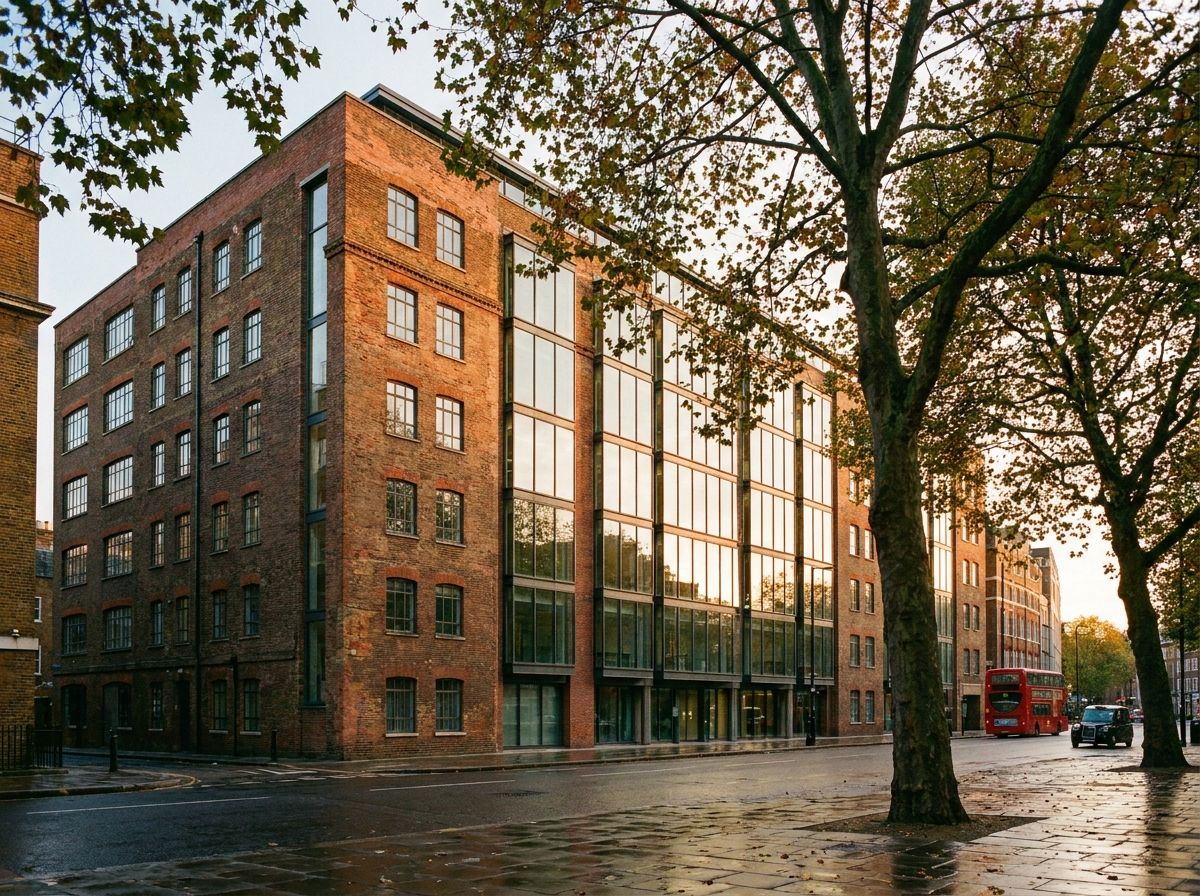
- Market value is the price the property would sell for. It includes the land and reflects the leases and the market.
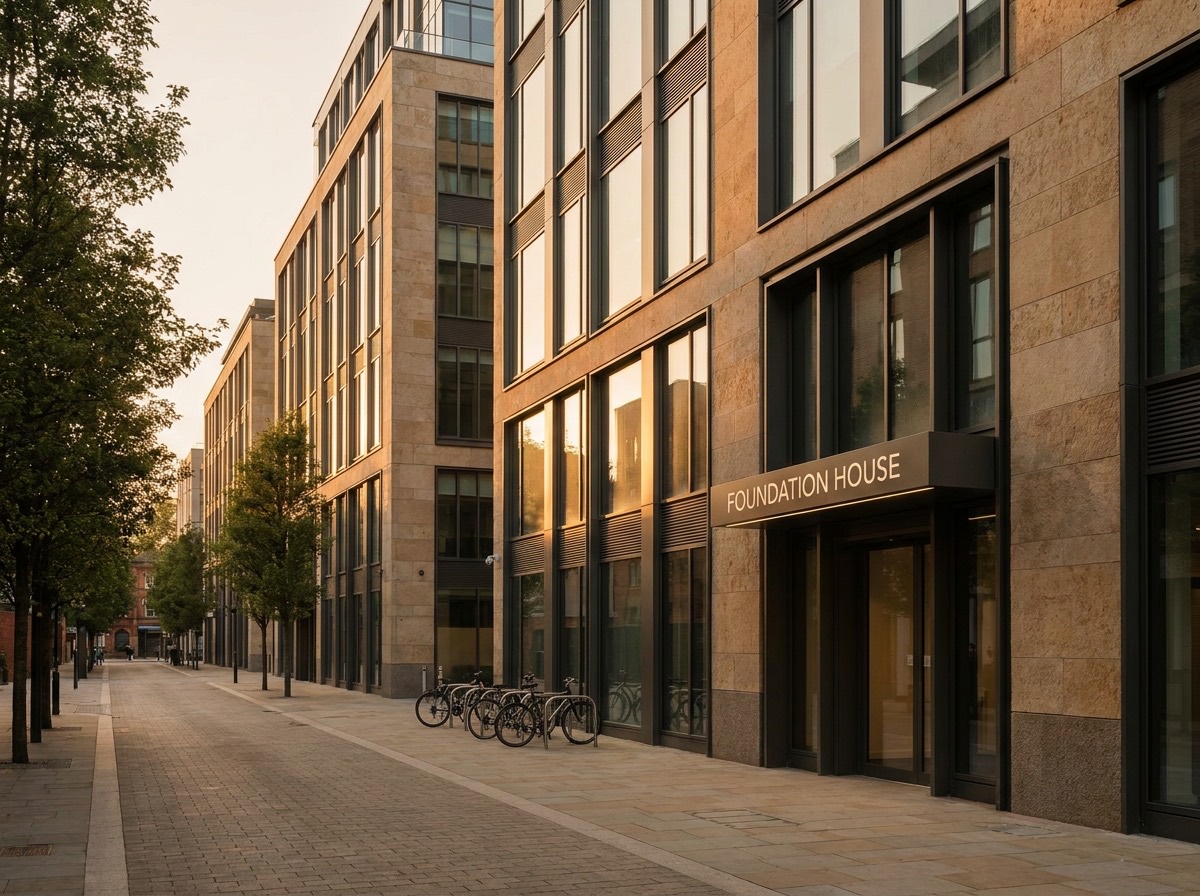
- Reinstatement cost is what it would cost to rebuild after total loss. It excludes land and is the figure for buildings insurance.
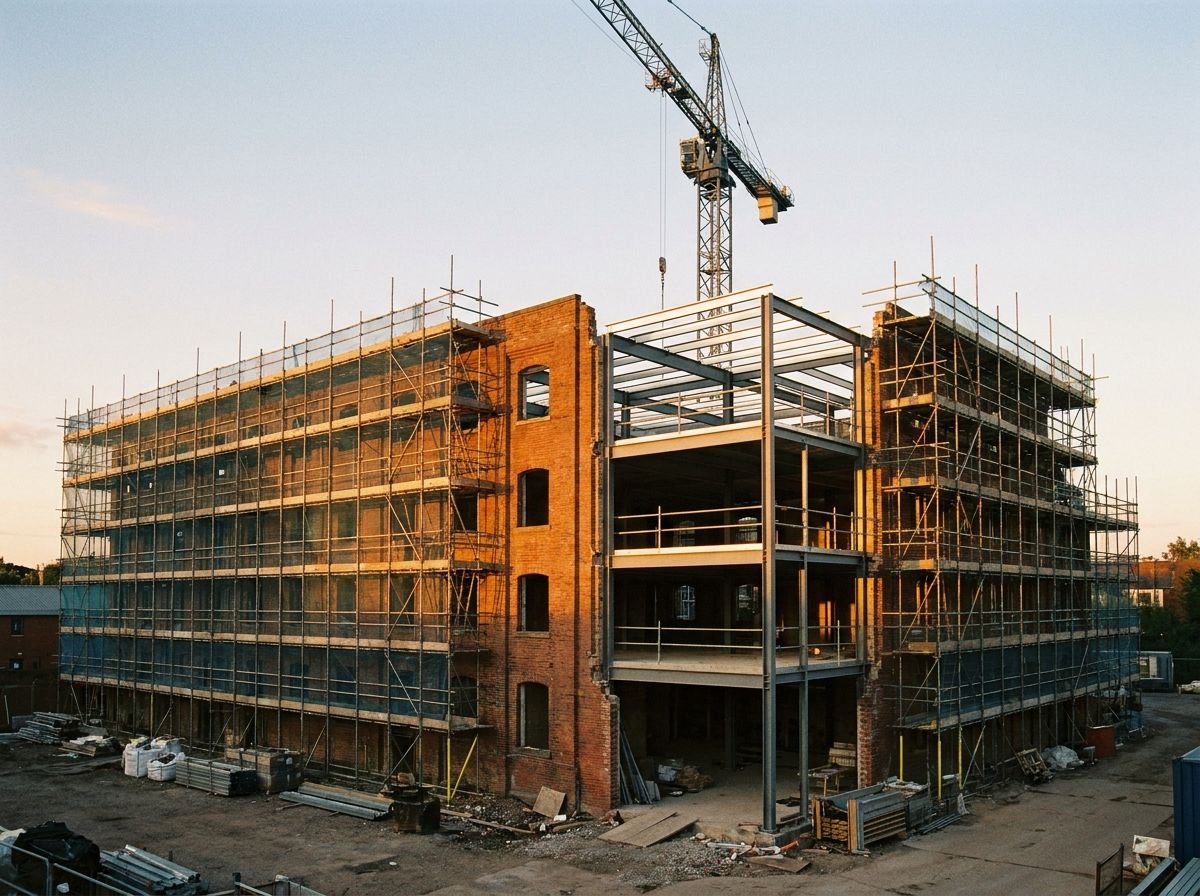
- Rateable value is an annual rental figure set by the Valuation Office Agency, used only to calculate business rates.
- Insuring for market value instead of reinstatement cost can leave you badly under-insured, or paying for cover you cannot claim on.
Ask three professionals what a commercial building is worth and you can get three very different answers, all of them correct. A valuer will tell you what it would sell for. A building surveyor will tell you what it would cost to rebuild. The Valuation Office Agency will tell you what it should pay in business rates. Trouble starts when one of those numbers is used for a job that belongs to another.
Market value: what it would sell for
Market Value is the estimated price between a willing buyer and a willing seller after proper marketing. It is assessed by an RICS Registered Valuer under the Red Book, and it includes the land. It moves with the market, the leases and the tenants. A building in a strong location with a long lease to a good tenant can be worth several times what it cost to build. One in a weak location can be worth less than its bricks.
This is the figure for lending, buying, selling, accounts and tax. Our guide to commercial property valuation covers it in full.
Reinstatement cost: what it would cost to rebuild
Buildings insurance pays to put the building back, so the sum insured should be the cost of doing that. A reinstatement cost assessment, prepared under the RICS standard, allows for demolition and site clearance, rebuilding to current building regulations, professional fees and the cost of any planning requirements. It does not include the land, because the land is still there after a fire.
The figure has nothing to do with the property market. It follows construction costs, which is why a listed mill in a low-value area can have a rebuild cost far above its market value, and a plain shed on prime land can have one far below.
Why confusing the two is expensive
If the sum insured is too low, most commercial policies apply what is called average. Insure a building for £1 million when it would cost £2 million to rebuild, and the insurer can treat you as having covered half the risk. A £400,000 claim for a partial loss could be settled at £200,000. You do not need the whole building to burn down to feel it.
If the sum insured is too high, you are paying premium on cover the insurer will never pay out on. Either way the answer is the same: get the rebuild figure assessed properly and keep it current. It is commonly recommended to have a full assessment every three years, with the figure adjusted for building cost inflation in between and reviewed after any significant alterations.
Check your lease as well. It usually says who insures, and for how much.
Rateable value: what the rates bill is based on
Rateable value is not a capital value at all. It is the Valuation Office Agency’s estimate of the annual rent the property would have let for on a set valuation date. Your business rates bill is that figure multiplied by a rate set by government, less any reliefs.
The current rating list in England and Wales took effect on 1 April 2026 and is based on rental values at 1 April 2024. If you think your rateable value is wrong, you can check it and challenge it. It tells you nothing reliable about what the building would sell for.
Get the right figure
Match with RICS professionals for a market valuation or a reinstatement cost assessment. No-obligation quotes.
The three numbers side by side
- Market value. Measures: sale price. Includes land: yes. Produced by: an RICS Registered Valuer. Used for: lending, sale, accounts, tax.
- Reinstatement cost. Measures: cost to rebuild. Includes land: no. Produced by: a chartered building surveyor. Used for: buildings insurance.
- Rateable value. Measures: annual rental value at a fixed date. Includes land: as part of the rent. Produced by: the Valuation Office Agency. Used for: business rates.
Which one do you need?
If a lender, buyer, auditor or HMRC is asking, you need a market valuation. If your insurer or broker is asking, or your policy is up for renewal and nobody can remember where the sum insured came from, you need a reinstatement cost assessment. If the rates bill looks wrong, that is a rating matter. Plenty of owners need the first two at the same time, typically on a purchase, when the lender wants a valuation and the insurer wants a rebuild figure for the same building.
Getting the right figure
ComSurv matches owners and occupiers with RICS Registered Valuers for a commercial valuation, and with RICS-qualified building surveyors for a building survey or rebuild assessment. Tell us what you need the figure for and compare no-obligation quotes.
Sources & further reading
- RICS reinstatement cost assessment of buildings — the RICS standard for insurance rebuild figures
- RICS Valuation Global Standards (Red Book) — the definition of Market Value
- GOV.UK: business rates — how rateable value is used to calculate business rates
- GOV.UK: find a business rates valuation — check and challenge a rateable value
- Association of British Insurers: commercial property insurance — buildings insurance for commercial property
External links open in a new tab. ComSurv is a matching service, not a firm of surveyors, and is not affiliated with these organisations. This article is general information, not legal, surveying or valuation advice; take advice on your specific situation.