Where Asbestos Is Found in Commercial Buildings (and Why Pre-2000 Matters)
- Asbestos was used in UK construction until the 1999 ban, so any building built or refurbished before 2000 may contain it.
- Highest-risk materials are sprayed coatings, pipe and boiler lagging and asbestos insulating board (AIB), because they release fibres easily when disturbed.
- Lower-risk but very common materials include cement roof and wall sheets, floor tiles, textured coatings and gaskets.
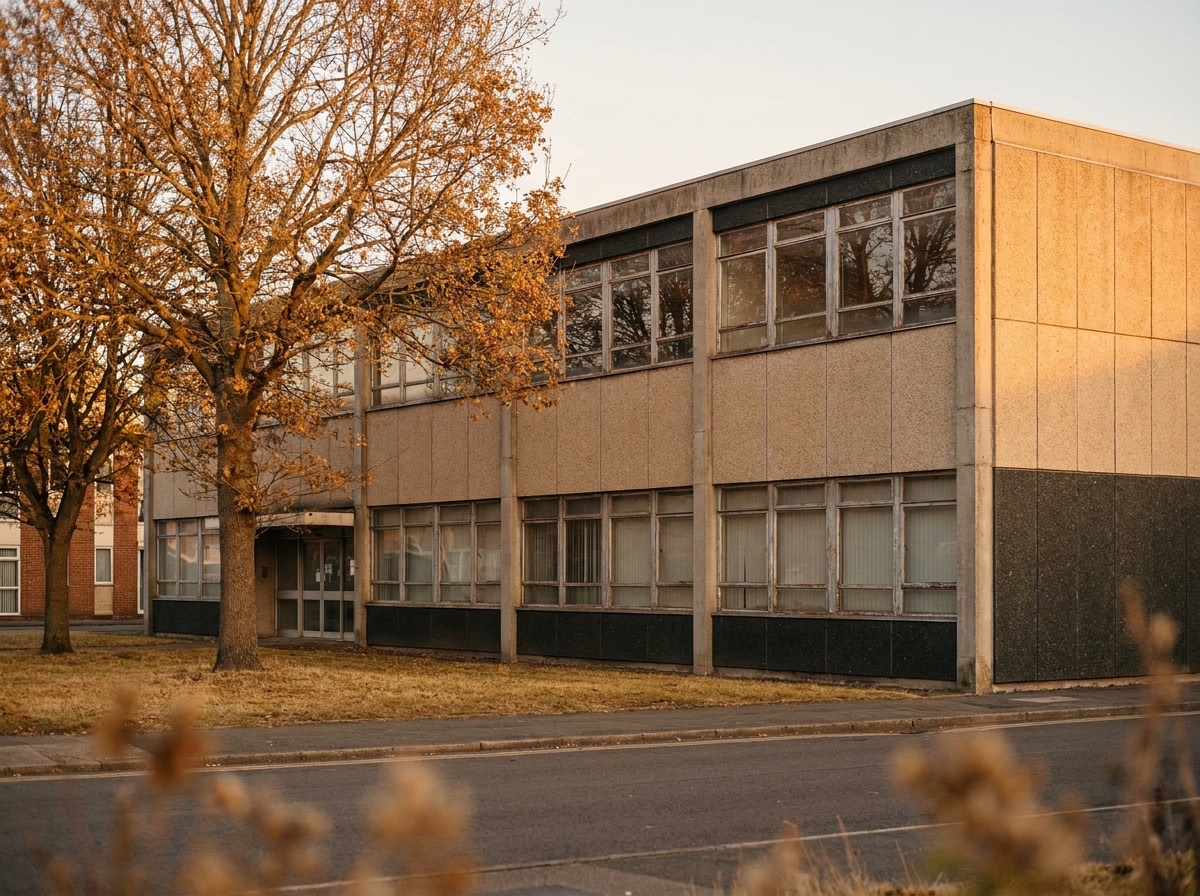
- Building age and type predict what you will find: 1950s to 1980s offices and industrial units are the most likely to contain the higher-risk materials.
Asbestos was the miracle material of mid-century construction: fireproof, insulating, cheap and easy to mould. It went into thousands of products, most of which look entirely ordinary. The materials that matter in a commercial building range from the obviously industrial, like pipe lagging, to the mundane, like floor tiles and textured ceilings. Here is where a surveyor looks, and which finds should worry you.
Highest-risk materials
- Sprayed coatings on steelwork, ceilings and walls for fire protection and insulation, common in 1960s and 1970s commercial buildings. Very friable.
- Pipe, boiler and duct lagging in plant rooms and risers. Often damaged and deteriorating.
- Asbestos insulating board (AIB) in ceiling tiles, partition walls, fire doors, soffits, boxing around pipes and lift shafts. Widespread and easily disturbed by maintenance.
- Loose-fill insulation in voids, less common but hazardous.
These are the materials HSE treats as most dangerous, and most of their removal requires a licensed contractor.
Lower-risk but very common
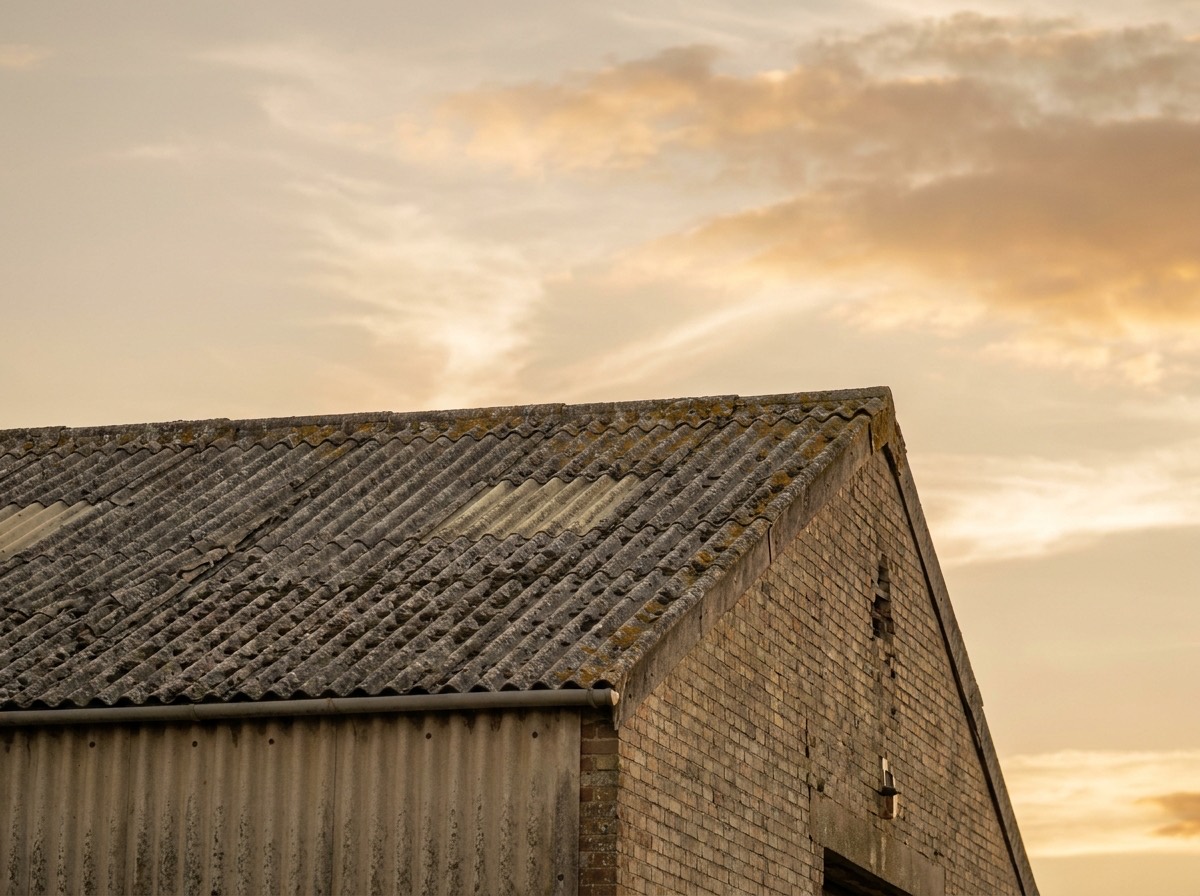
- Asbestos cement in corrugated roof and wall sheets, gutters, downpipes, flues, water tanks and panels, typical of industrial and agricultural buildings.
- Floor tiles (thermoplastic and vinyl) and the bitumen adhesive beneath them.
- Textured coatings on ceilings and walls.
- Gaskets, rope seals and brake linings in plant and equipment.
- Bitumen products in roofing felt and damp-proof courses.
These release fewer fibres when left alone but still need recording and managing, and cutting, drilling or sanding them is dangerous.
What building age tells you
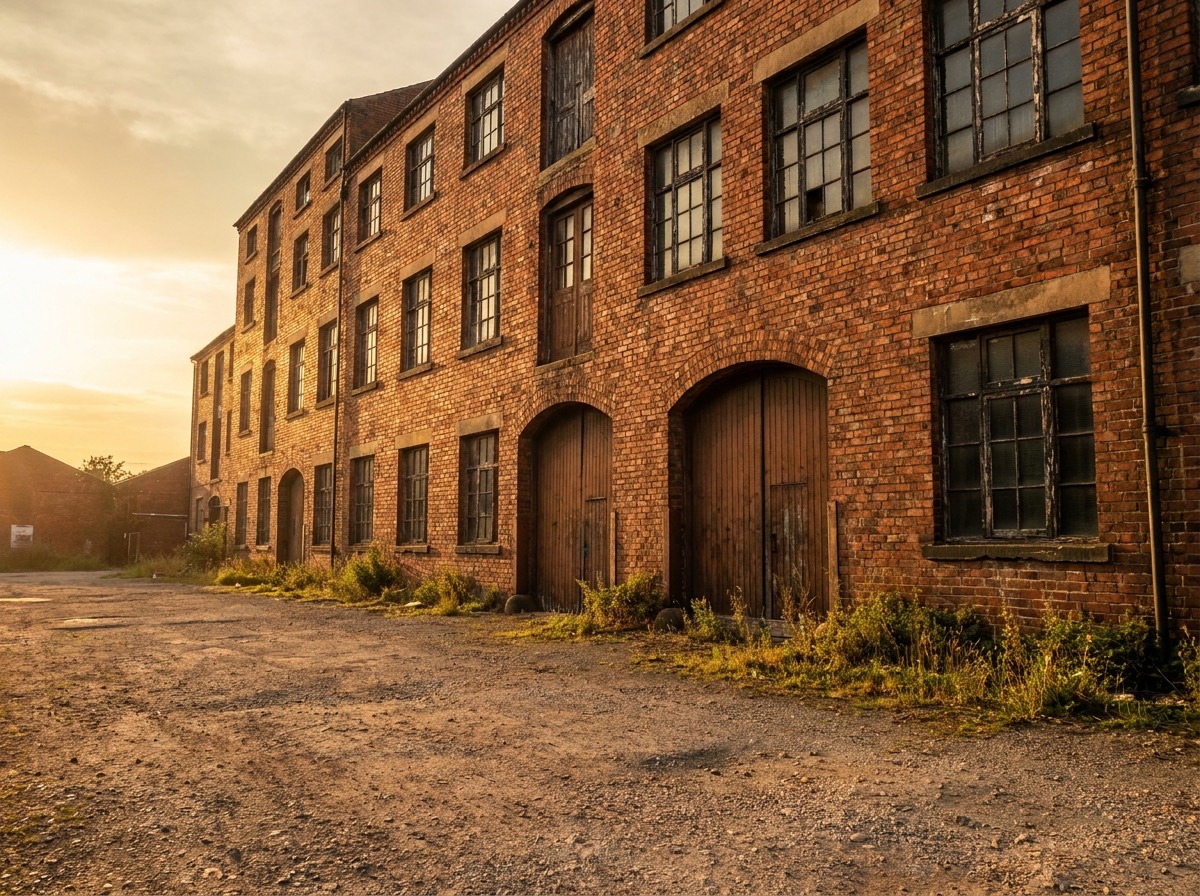
Pre-1950s: some lagging, cement products and early boards. 1950s to 1970s: the peak, with sprayed coatings, AIB and lagging common in offices, schools and industrial buildings. 1980s to 1999: sprayed coatings and AIB largely stopped, but cement, floor tiles, textured coatings and gaskets continued. 2000 onwards: should be free of asbestos. A surveyor uses the age and construction type to target the survey.
Find out what is in your building
Match with qualified asbestos surveyors for a management survey. No-obligation quotes.
By building type
Offices: AIB ceiling tiles and partitions, sprayed fire protection on steel frames, lagging in risers, floor tiles. Industrial and warehouse: cement roof and wall sheets, lagging on process pipework, gaskets. Retail: AIB soffits and boxing, textured ceilings, floor tiles under later finishes. Mixed-use and older high street: all of the above, often hidden by successive refurbishments.
Why you cannot tell by looking
Many asbestos materials are indistinguishable from their asbestos-free equivalents without laboratory analysis. A ceiling tile, a floor tile or a cement sheet may or may not contain asbestos. That is why the duty to manage requires a survey with sampling, and why materials must be presumed to contain asbestos until proven otherwise.
Finding out what is in your building
A management survey by a qualified surveyor identifies and assesses the materials and gives you an asbestos register to manage from. ComSurv matches you with qualified asbestos surveyors who cover your area, with no-obligation quotes.
Sources & further reading
- HSE: Asbestos — HSE’s overview, including where asbestos is found
- HSE HSG264: Asbestos, the survey guide — materials and survey guidance
External links open in a new tab. ComSurv is a matching service, not a firm of surveyors, and is not affiliated with these organisations. This article is general information, not legal, surveying or valuation advice; take advice on your specific situation.