Dilapidations Claim Costs: How Much Could You Pay at Lease End?
- Dilapidations claims are built up from the cost of repairs, redecoration and reinstatement, so bigger and more altered premises attract bigger claims.
- On a mid-size commercial unit a claim can run into tens of thousands of pounds.
- The opening figure is a negotiating position, not a final bill.
- Challenging items, supersession and the Section 18 cap typically bring the figure down, often substantially.
The number on a Schedule of Dilapidations can be frightening: mid-size commercial units routinely attract claims in the tens of thousands. But that opening figure is a negotiating position, not a bill, and what a tenant actually pays is usually a good deal less. Here is what drives the cost, and how it comes down.
What drives the size of a claim
- Size of the premises. More floor area means more potential repair and redecoration.
- Condition and use. Heavy use and neglected maintenance push the figure up.
- The lease terms. A full repairing obligation and redecoration clauses widen what can be claimed.
- Reinstatement. Removing tenant fit-out and returning the property to its original layout can be a big line.
Typical ranges
Every property is different, but as a rough steer for UK commercial premises:
| Premises | Indicative claim range (guide only) |
|---|---|
| Small unit or office | a few thousand pounds |
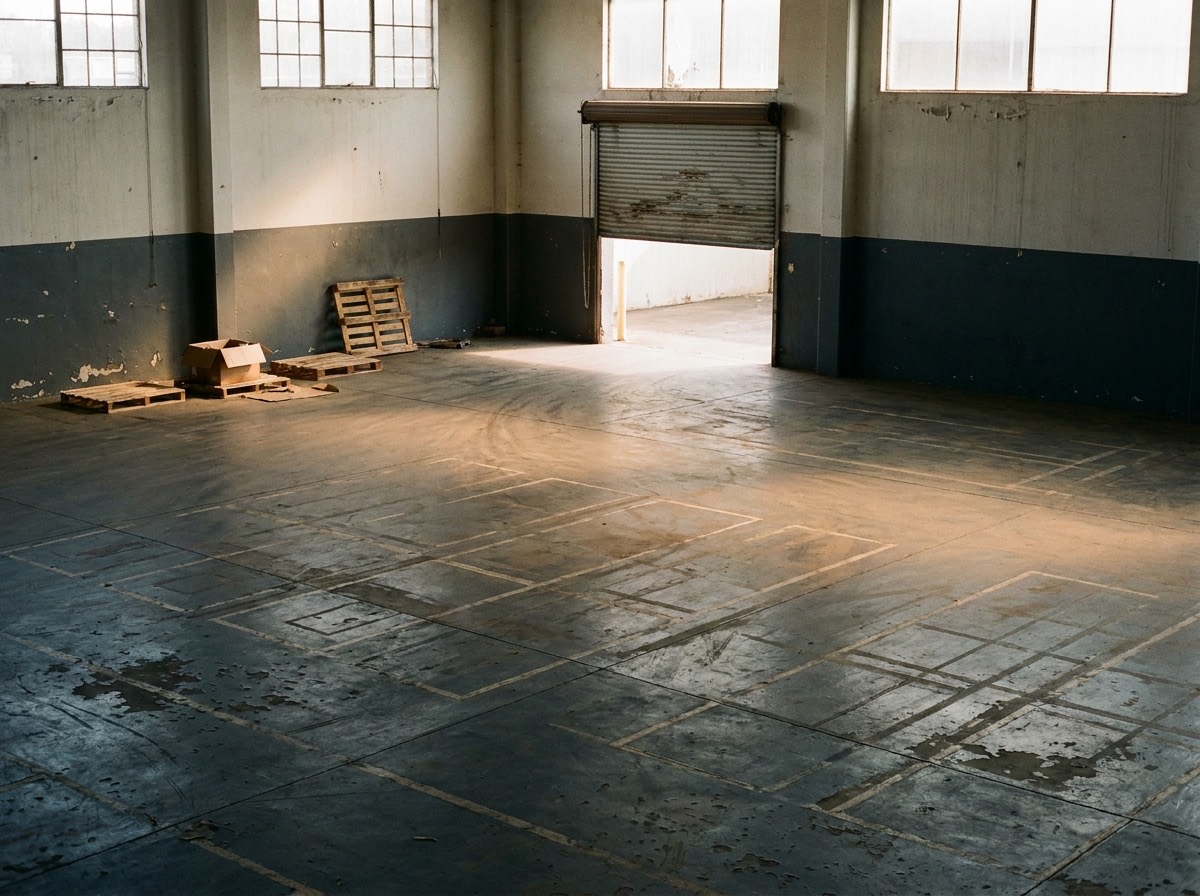
| Mid-size unit (for example a ~10,000 sq ft warehouse) | tens of thousands of pounds |
| Large or heavily altered premises | higher, sometimes exceeding a year’s rent |
These are indicative opening figures, not what a well-advised tenant ends up paying.
Why the opening figure is not the bill
A Schedule of Dilapidations is the landlord's starting position, prepared from the cost of every item of work. It is meant to be scrutinised. Under the Dilapidations Pre-Action Protocol, both sides are expected to engage item by item, and most claims settle well below the opening number.
Get expert dilapidations help
Match with RICS-qualified surveyors who challenge dilapidations claims. No-obligation quotes.
How the figure comes down
- Challenging items that are not your responsibility under the lease, or that are overstated.
- Supersession, where the landlord's own planned works would replace the repairs anyway.
- The Section 18 cap. Section 18 of the Landlord and Tenant Act 1927 limits damages to the loss in value caused by the disrepair, which can be far below the cost of works.
- A Schedule of Condition, if one was taken at the start, caps liability for pre-existing defects.
What a dilapidations surveyor costs
Fees depend on the size of the property and the complexity of the claim, starting from a few hundred pounds for a straightforward matter. Set against a claim in the tens of thousands, the surveyor's fee is usually a small fraction of the reduction they achieve.
Getting help early
The earlier a surveyor reviews the schedule, the more room there is to challenge and negotiate. ComSurv matches you with RICS-qualified surveyors who handle dilapidations, and you can verify regulation via RICS Find a Surveyor.
Sources & further reading
- RICS: Dilapidations in England and Wales (consumer guide) — RICS overview of dilapidations
- Section 18, Landlord and Tenant Act 1927 — the statutory cap on damages
- Dilapidations Pre-Action Protocol (Ministry of Justice) — how a claim proceeds
- RICS Find a Surveyor — RICS-regulated dilapidations surveyors
External links open in a new tab. ComSurv is a matching service, not a firm of surveyors, and is not affiliated with these organisations. This article is general information, not legal, surveying or valuation advice; take advice on your specific situation.