What Does a Commercial Building Survey Cover? Structure, Fabric and Services
- A commercial building survey inspects structure, roof and external envelope, fabric, damp and the visible services.
- It identifies defects, maintenance liabilities and risks, and estimates likely remedial costs.
- The scope is tailored to the building and your purpose, so it is agreed with you up front.
- The output is a clear, actionable report you can use to decide, to budget, or to renegotiate.
A commercial building survey is thorough, and the scope is agreed with you before it starts. But most cover the same core ground: the things that cost real money if they go wrong. Here is what a surveyor actually inspects, and what you get back in the report.
What a building survey is for
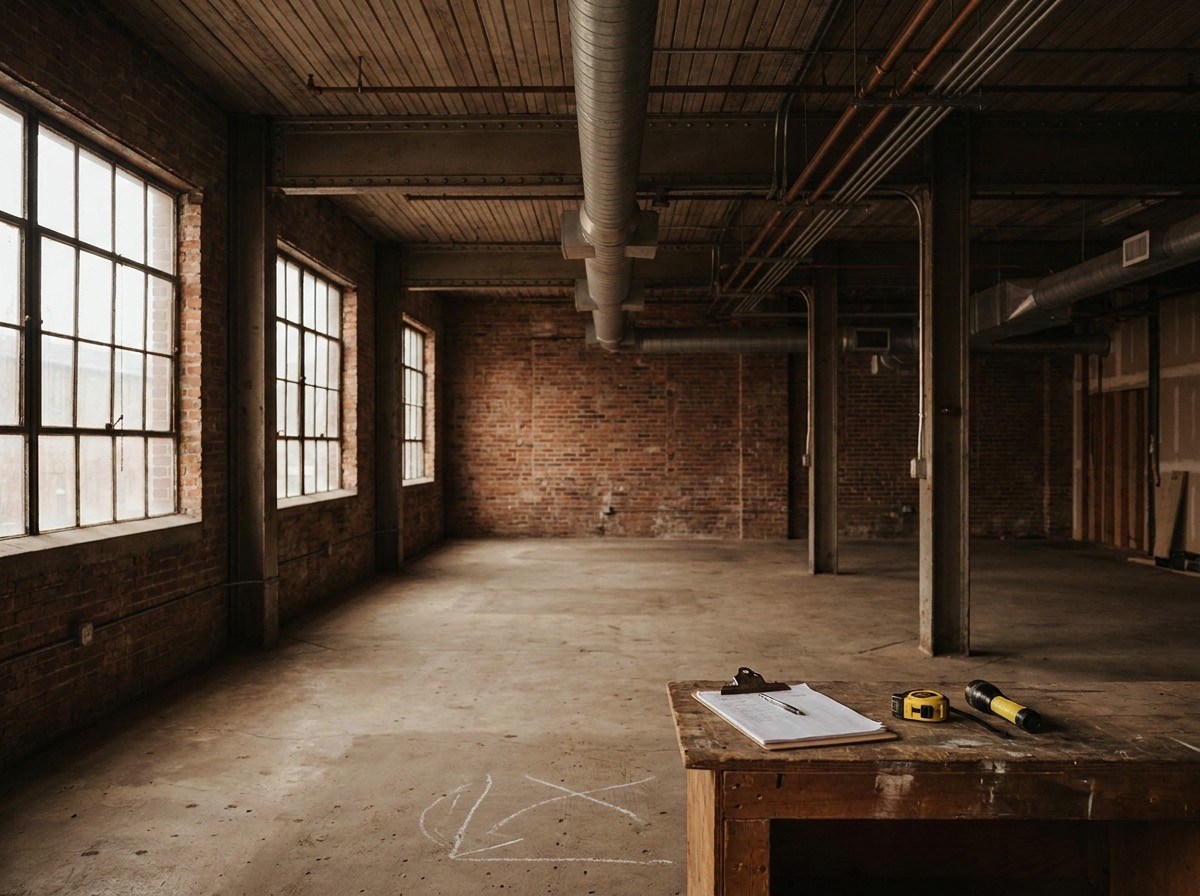
The point of a commercial building survey is to tell you what you are taking on before you commit. A surveyor inspects the property, identifies defects and liabilities, and reports in plain terms. The scope is set with you in advance, because a warehouse purchase and a fitted-office lease need different depth.
Structure and movement
The surveyor assesses the main structure, foundations where visible, and any signs of movement such as cracking, deflection or settlement. Structural issues are the costliest to put right, so they carry the most weight in a survey.
Roof, walls and the external envelope
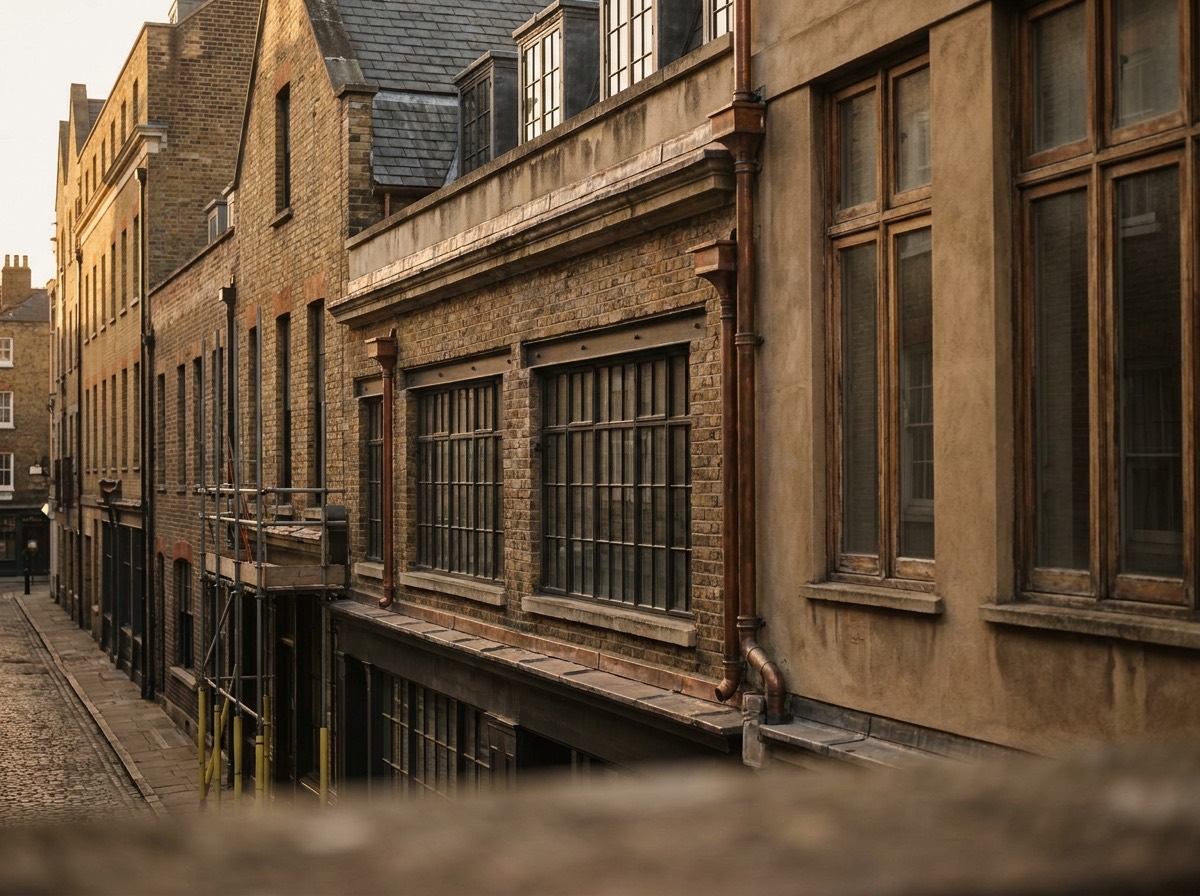
Roofs, parapets, rainwater goods, external walls, windows and doors: the building's envelope is what keeps weather out, and its condition drives a large part of future maintenance. Flat roofs and their coverings get particular attention on commercial buildings.
Damp, timber and fabric
The survey looks for damp, water ingress, timber decay and the condition of internal finishes and fabric. These are the day-to-day liabilities that add up over a lease or ownership.
Get a commercial building survey
Compare no-obligation quotes from RICS-qualified surveyors who cover your property type and area.
Services and plant
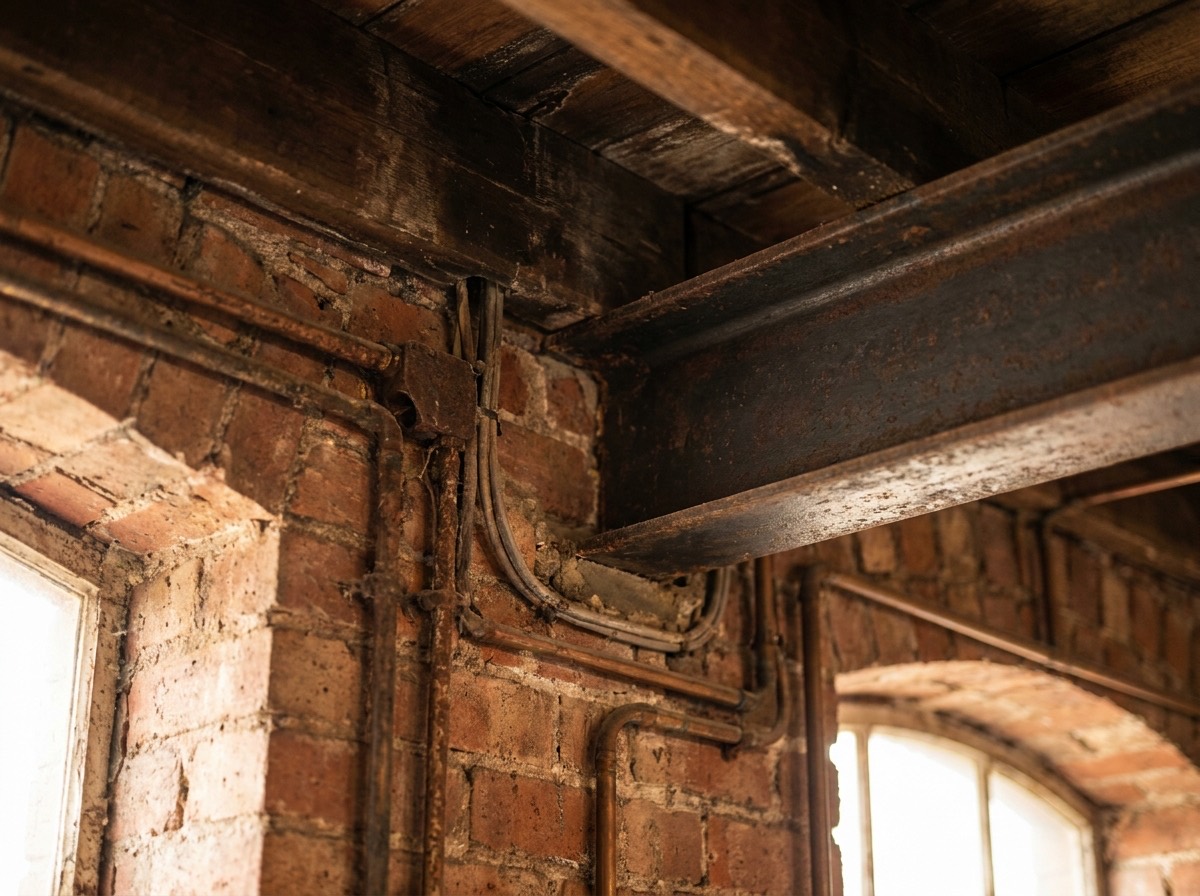
Visible building services are reviewed: heating, electrics, drainage, ventilation and, where present, lifts and mechanical plant. A survey is not a specialist test of each system, but it flags condition, age and where specialist inspection is advisable.
What the report gives you
You get a clear report setting out the defects found, the liabilities and risks, and usually an indication of remedial priorities and likely costs. It is written to support a real decision: proceed, renegotiate, budget for works, or walk away.
Getting the right surveyor
Match the surveyor to the building type and your purpose. ComSurv connects you with RICS-qualified commercial surveyors, and you can check regulation via RICS Find a Surveyor.
Sources & further reading
- RICS Find a Surveyor — RICS-regulated commercial building surveyors
- RICS: building surveying standards — the standards the survey is carried out to
External links open in a new tab. ComSurv is a matching service, not a firm of surveyors, and is not affiliated with these organisations. This article is general information, not legal, surveying or valuation advice; take advice on your specific situation.