
Get a Commercial PAT Testing Quote from Competent Engineers
Tell us about the premises and roughly how many appliances you have, and we'll match you with one of the competent PAT testing engineers in our network. Get a no-obligation quote in about a minute, and keep every kettle, charger and extension lead safe, labelled and on record.
Is PAT testing a legal requirement for businesses?
Not by name. The law requires you to keep electrical equipment maintained so it does not cause danger, and it leaves the method and frequency to you. Formal inspection and testing of portable appliances, with a record and a label on each item, is the recognised way to meet that duty and to show an insurer, a landlord or an inspector that you have. How often depends on the equipment and where it is used, from every few months on a construction site to several years for office IT equipment.
- Regulation 4(2) of the Electricity at Work Regulations 1989 requires electrical systems, which include portable appliances, to be maintained so as to prevent danger.
- HSE confirms that the law does not say how equipment must be maintained or how often, and that not every item needs a formal test every year.
- HSE's guidance for low-risk environments and HSG107 set out a risk-based approach: user checks, formal visual inspections, and combined inspection and testing at intervals suited to the equipment and its use.
- Work equipment must also be maintained in an efficient state and in good repair under the Provision and Use of Work Equipment Regulations 1998.
Maintained by the ComSurv team and checked against UK government, HSE and professional-body sources. ComSurv is a matching service, not a firm of surveyors or contractors. General information, not legal advice.
What is PAT testing?
In-service inspection and testing of the electrical equipment people plug in at work: computers, chargers, kettles, heaters, power tools and extension leads. A competent person inspects each item, tests it with a portable appliance tester where the risk warrants it, labels it and records the result.
A legal duty to maintain
The regulations require equipment to be kept safe. Testing is how you evidence it.
Risk-based, not annual
Intervals follow the equipment and its environment, from months to years.
A register and labels
Every item logged with its result and next due date.
Faults found and removed
Damaged leads, plugs and appliances are failed, labelled and taken out of use.
Matched with the right engineers in three steps.
Tell us what you need
Answer a few quick questions about the property, what you need and your timeline.
We match you with engineers
We match you with one of the competent PAT testing engineers who cover your area and property type.
Receive your quote and book
Get a no-obligation quote and go ahead only if it's right for you.
What a PAT testing visit involves
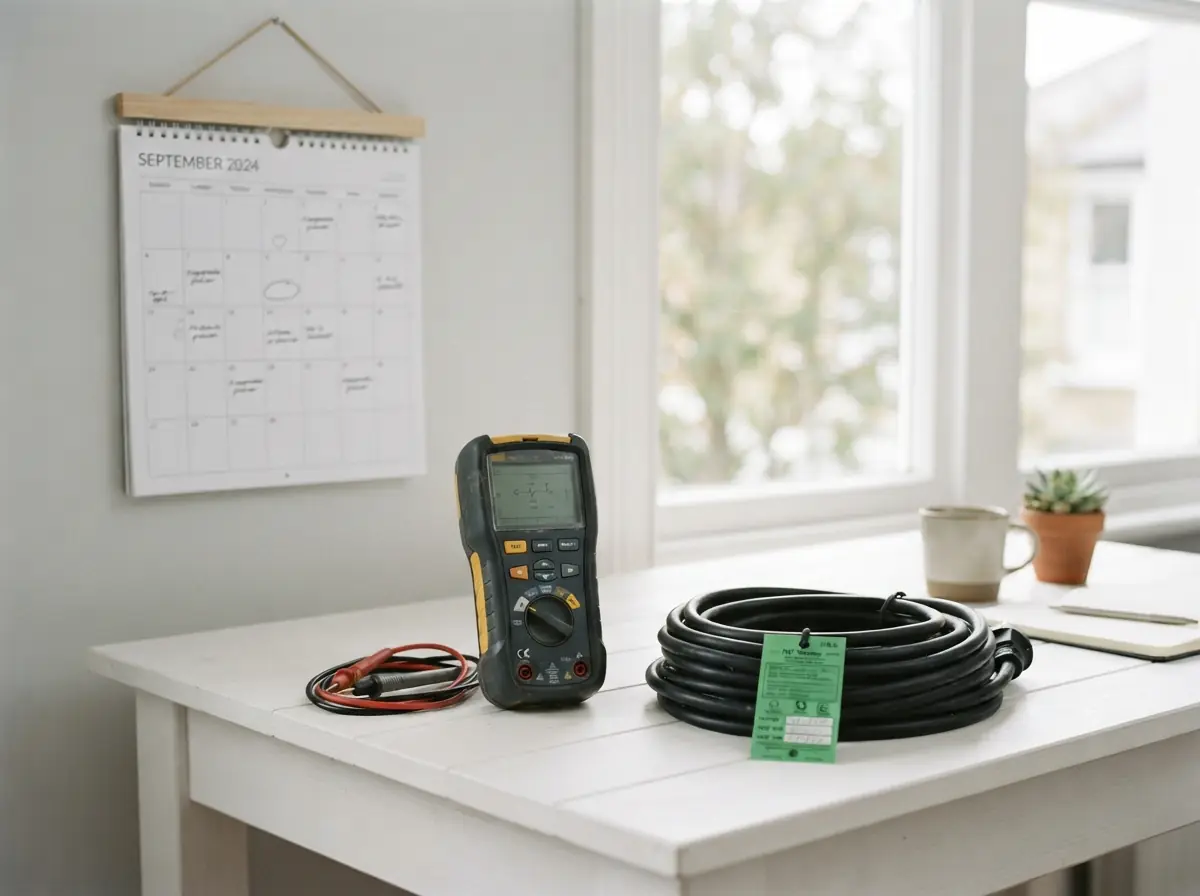
The engineer walks the premises, logs each appliance, carries out a visual inspection of the plug, lead and casing, and runs electrical tests (earth continuity, insulation resistance and, where appropriate, a functional check) on items that need them. Each appliance gets a pass or fail label and you receive a register with the results, any failures and the recommended next test dates.
What it delivers
- Asset register of every appliance tested
- Visual inspection of plugs, leads and casings
- Electrical tests where the class of equipment requires them
- Pass and fail labels on each item
- A report with failures and recommended intervals
Who needs it
- Employers and office managers
- Retail, hospitality and leisure operators
- Landlords supplying appliances with let premises
- Facilities managers and multi-site businesses
Why it matters
- Faulty appliances cause fires and electric shocks
- Insurers and landlords ask for the records
- The register makes the next visit quicker and cheaper
- Per-item pricing is easy to budget
The kettle in the kitchen is electrical equipment too.
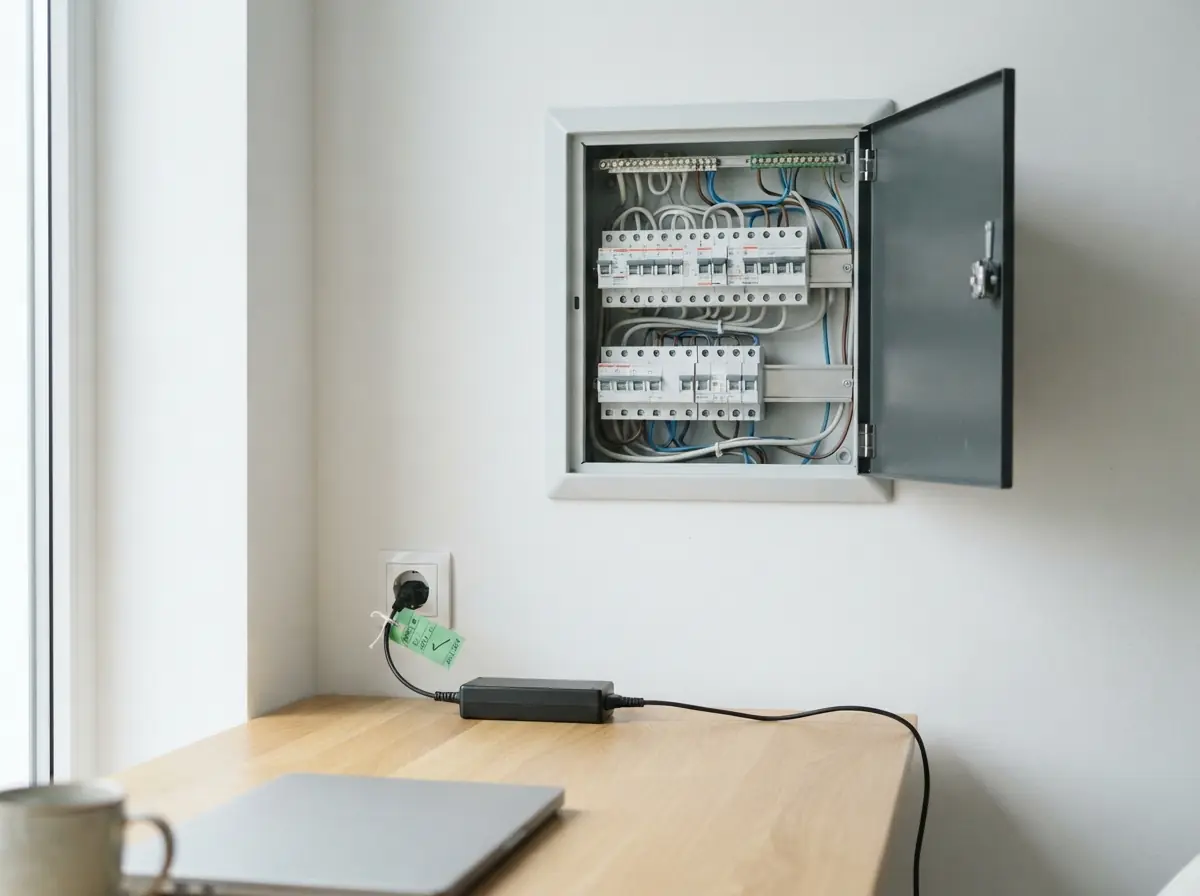
Most workplace electrical incidents involve the small things: a frayed charger lead, an overloaded extension block, a heater under a desk. None of them appear on an EICR, which covers the fixed installation. PAT testing is how the portable equipment gets looked at, and the register is what you show when someone asks whether it was.
Get a PAT testing quote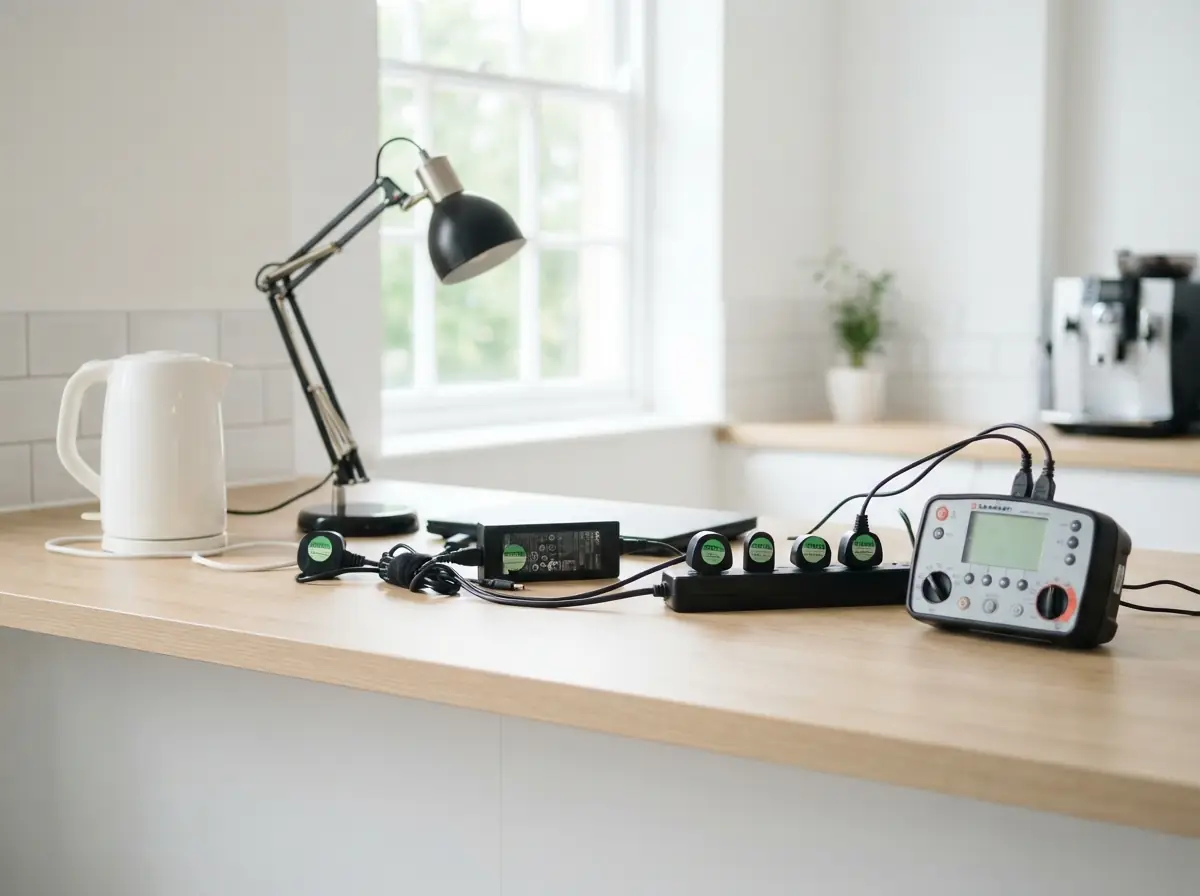
Qualified, accountable and vetted.
The engineers we match you with are competent to inspect and test in-service electrical equipment, working to HSE guidance and the IET Code of Practice. ComSurv is a matching service and is not itself a regulated firm.




PAT Testing FAQs
How much does PAT testing cost?+
Is PAT testing a legal requirement?+
How often should appliances be PAT tested?+
What is the difference between PAT testing and an EICR?+
Does PAT testing include IT equipment and chargers?+
Who is responsible for PAT testing in a let commercial building?+
One property, several obligations. Sort them together.
Most commercial premises carry more than one compliance duty. These are the ones that usually sit alongside this service, or run our compliance check to see everything your property needs in one go.

Get your appliances tested and on record.
Free, no-obligation, and matched to competent PAT testing engineers who cover your area. Takes about a minute.
Get my quote →