PAT Testing vs EICR: Which Covers What in a Commercial Building

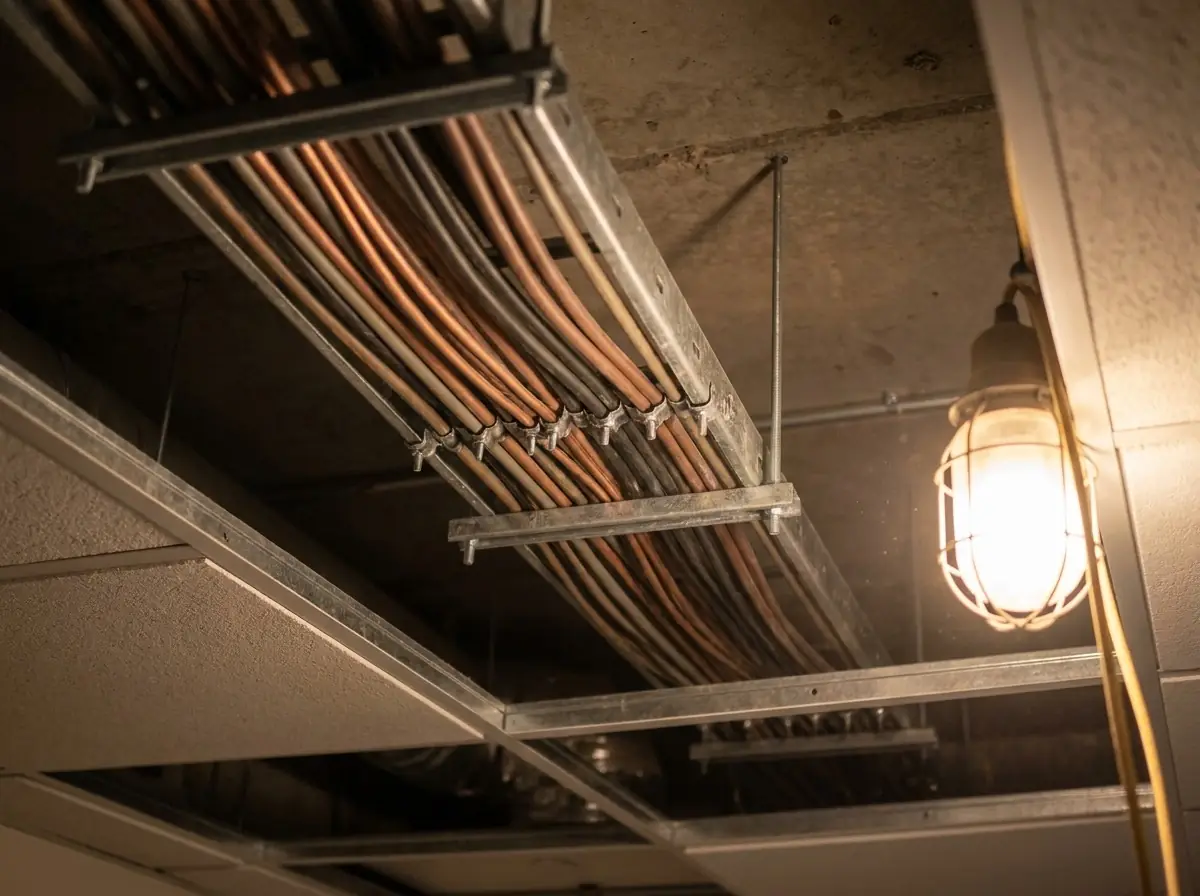
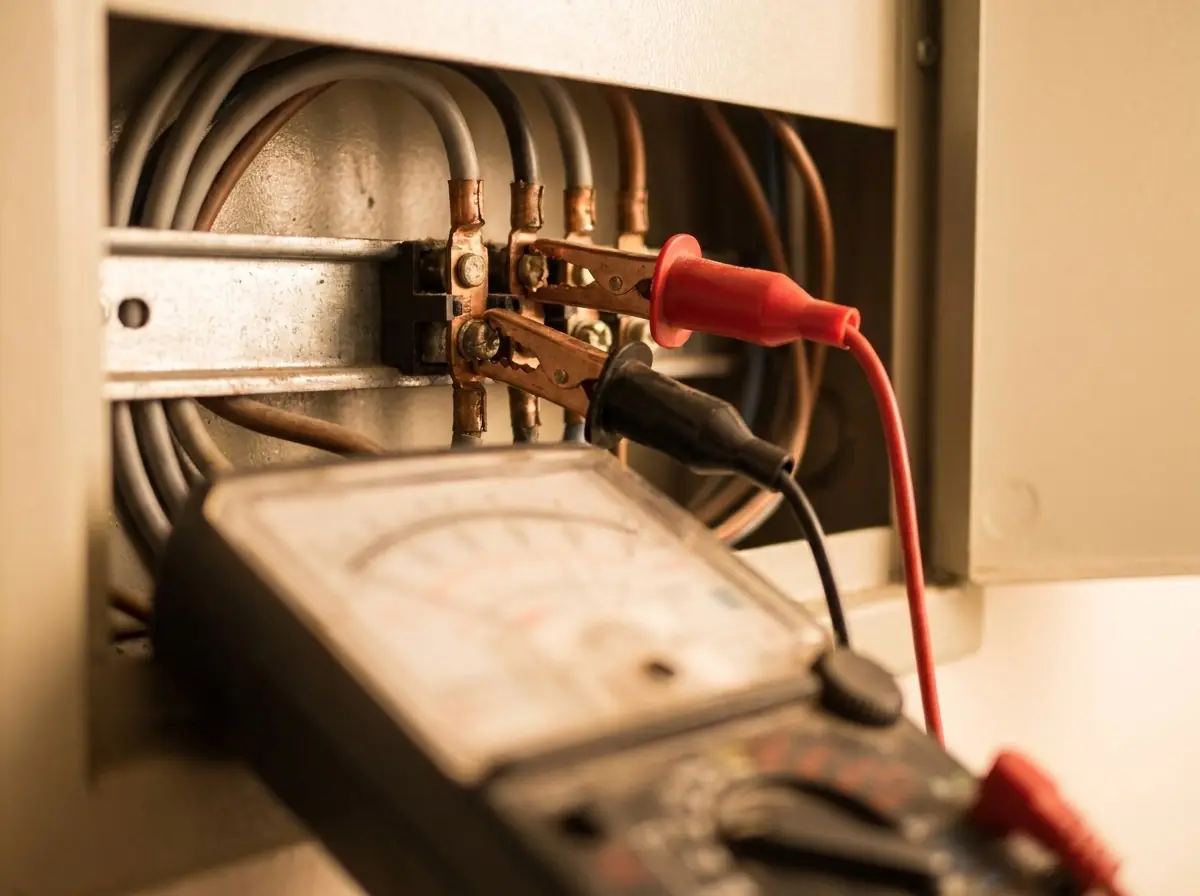
- An EICR covers the fixed installation: the supply, distribution boards, circuits, wiring, sockets and hard-wired equipment.
- PAT testing covers portable and moveable equipment: anything connected by a plug, plus extension leads.
- Both evidence the same duty under regulation 4 of the Electricity at Work Regulations 1989, and most commercial premises need both.
- They run on different cycles, typically five years for an EICR and risk-based intervals for PAT, but the same contractor can often do both.
Businesses regularly tell us they have "had the electrics done" and mean one of two different things. An EICR and PAT testing both come under the same legal duty, both involve an electrician with a test instrument, and both produce a report. They inspect different halves of the system. Knowing where the line falls stops you assuming one has covered the other, which is how a building ends up with a current EICR and a fire in the kitchen caused by a frayed kettle lead.
What an EICR covers
An Electrical Installation Condition Report is a periodic inspection of the fixed wiring. The inspector checks the incoming supply, the consumer unit or distribution boards, the protective devices, the circuits, the earthing and bonding, and the sockets and fixed outlets. Observations are coded by severity and the installation is declared satisfactory or unsatisfactory. For most commercial premises the recommended interval is five years. Our guide to the commercial EICR covers it in full.
What it does not do is test the things plugged into the sockets. The inspector may note a dangerous extension lead in passing, but the kettle, the chargers and the heaters are outside the report.
What PAT testing covers
PAT testing covers equipment connected to the installation by a plug: computers, monitors, chargers, kettles, microwaves, heaters, power tools, cleaning equipment, extension leads and multi-way adaptors. Each item gets a visual inspection and, where the risk warrants, electrical tests, then a label and a line in a register. HSE's published guidance describes it as a risk-based process rather than a fixed annual test.
What it does not do is look behind the socket. A PAT engineer will not assess your distribution board, your circuits or your earthing.
The grey areas
Some equipment sits near the line. Hard-wired appliances such as a fixed water heater or an extractor fan are part of the installation and fall under the EICR. A large appliance on a plug, such as a commercial fridge, is portable equipment for PAT purposes even though it never moves. Fused connection units are installation; the item wired into them may be inspected under either, so agree which contractor covers them. Extension leads are always PAT.
Get both quoted
Match with registered electrical inspectors and competent PAT engineers, often the same contractor. No-obligation quotes.
Why you need both
The legal duty under regulation 4 of the Electricity at Work Regulations covers the whole electrical system, fixed and portable. A satisfactory EICR says the wiring is sound; it says nothing about the extension lead daisy-chained under a desk. A clean PAT register says the appliances are safe; it says nothing about an overloaded circuit or a failed earth at the board. Insurers, landlords and inspectors tend to ask for both, and a fire investigator will certainly ask about whichever one you did not have.
Scheduling them together
Many electrical contractors do both. Booking the EICR and a PAT visit together saves a call-out and gives you one point of contact for remedials. The cycles differ: the EICR is typically five-yearly, PAT intervals are set by equipment and risk, from months to years. Our guides to EICR frequency and PAT testing intervals set out the detail. A single compliance register with both sets of dates is the simplest way to keep them aligned.
Getting both quoted
ComSurv matches you with a registered electrical inspector for the EICR and a competent engineer for PAT testing, often the same firm. Tell us about the premises and get no-obligation quotes in about a minute.
Sources & further reading
- Electricity at Work Regulations 1989, regulation 4 — the single duty that both EICR and PAT testing evidence
- HSE: PAT, answers to popular questions — what PAT testing does and does not cover
- HSE HSG107: Maintaining portable electrical equipment — maintenance of portable equipment
External links open in a new tab. ComSurv is a matching service, not a firm of surveyors, and is not affiliated with these organisations. This article is general information, not legal, surveying or valuation advice; take advice on your specific situation.