Guides · Electrical Safety
Fixed Wire Testing Explained: What It Is, What It Covers and Whether You Need It
Key takeaways
- Fixed wire testing is the periodic inspection and test of the fixed electrical installation. The report it produces is the Electrical Installation Condition Report (EICR).
- The duty comes from regulation 4 of the Electricity at Work Regulations 1989: systems must be maintained so as to prevent danger. Testing is how you prove it.
- Most commercial premises test every five years; industrial, leisure and higher-risk premises more often. The last report sets the next date.
- A good report lists every circuit, the test results, coded observations and a clear satisfactory or unsatisfactory verdict.
Ask an electrician for fixed wire testing and you will get an EICR. Ask for an EICR and the engineer will carry out fixed wire testing. The trade uses the first name for the job and the second for the document it produces, and the two are interchangeable in every quote you will receive. This guide explains what the test actually involves, where the legal duty comes from, how often it falls due and what a proper report looks like, so you can brief a contractor and read what comes back.
What fixed wire testing is
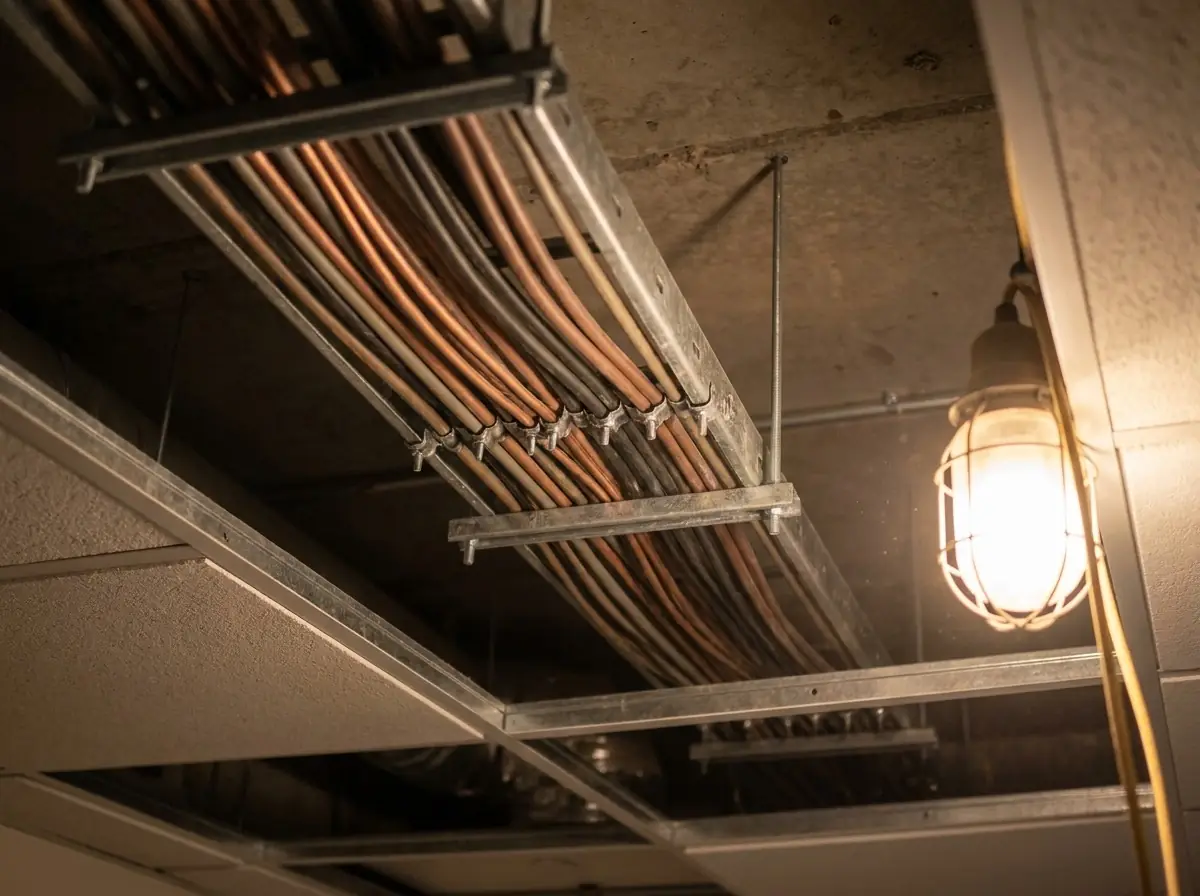
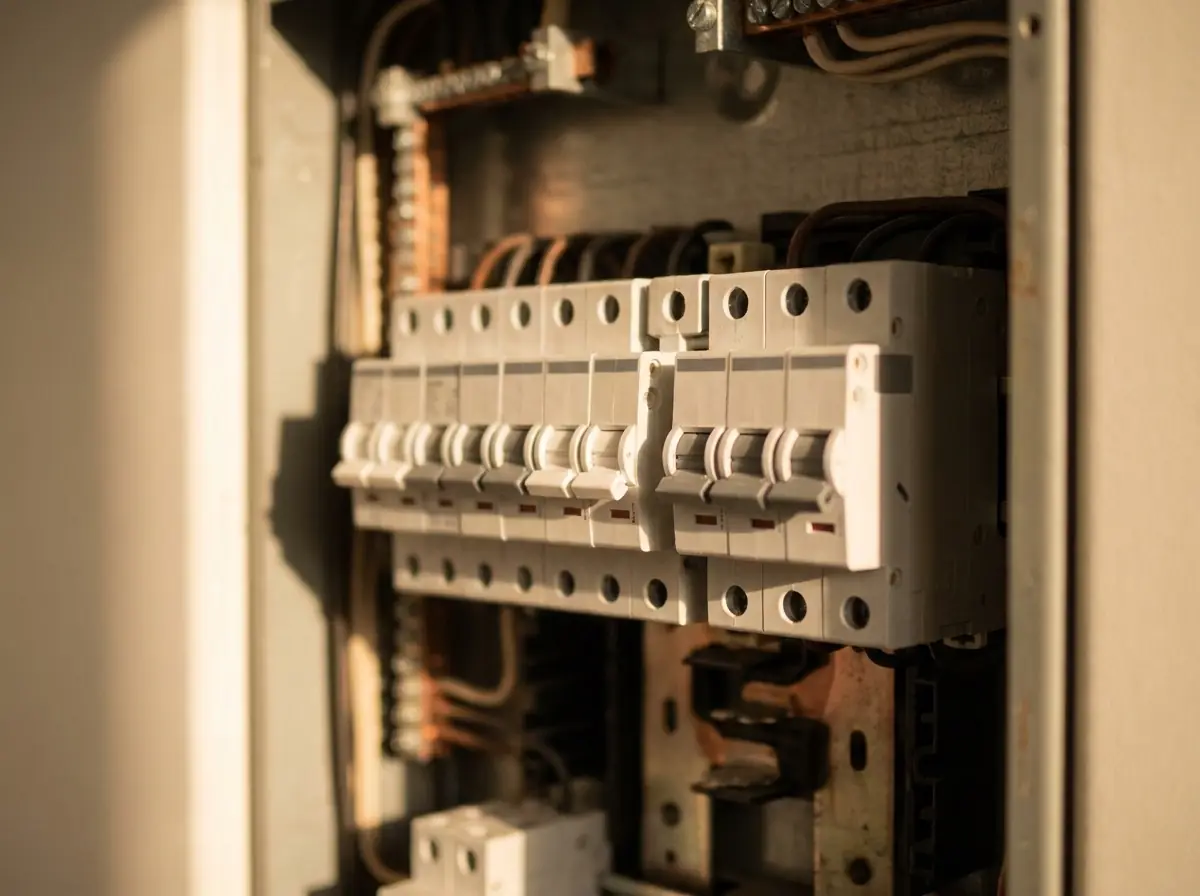
The fixed installation is everything that is wired in: the incoming supply, the distribution boards, the circuit breakers and RCDs, the cables in the walls and ceilings, the earthing and bonding, and the sockets, switches, isolators and light fittings on the end of each circuit. Fixed wire testing is a planned inspection and test of that installation against BS 7671, the IET Wiring Regulations. It does not cover anything that plugs in; that is PAT testing, and the two are usually done by the same contractor.
Fixed wire testing and the EICR
The Electrical Installation Condition Report is the output. The inspector records the condition of the installation, the results of each test, every observation coded by severity, and an overall verdict. So when a landlord, insurer or buyer asks for your EICR, they are asking for the result of the fixed wire test. Our guide to the commercial EICR goes through the document itself; this one covers the work behind it.
Where the legal duty comes from
Neither term appears in legislation. Regulation 4 of the Electricity at Work Regulations 1989 requires every electrical system to be maintained so as to prevent danger, so far as reasonably practicable. It applies to employers, the self-employed and anyone in control of a system, which brings in landlords for common parts and shared installations. HSE’s guidance and its memorandum on the regulations, HSR25, explain that periodic inspection and testing is how the duty is evidenced, and that the frequency should reflect the installation and its use rather than a fixed rule.
How often it falls due
The usual interval for offices, shops and similar premises is five years. Industrial units, leisure and hospitality premises, agricultural buildings and anywhere with a harsh environment or high usage are tested more often, from one to three years. The previous report states the recommended date for the next test, and that date is what an insurer will check. Our guide to how often a commercial property needs an EICR sets the intervals out by premises type.
EICR
Get fixed wire testing booked
Tell us about the premises and we will match you with one registered electrical inspector who covers your area.
What the inspector does
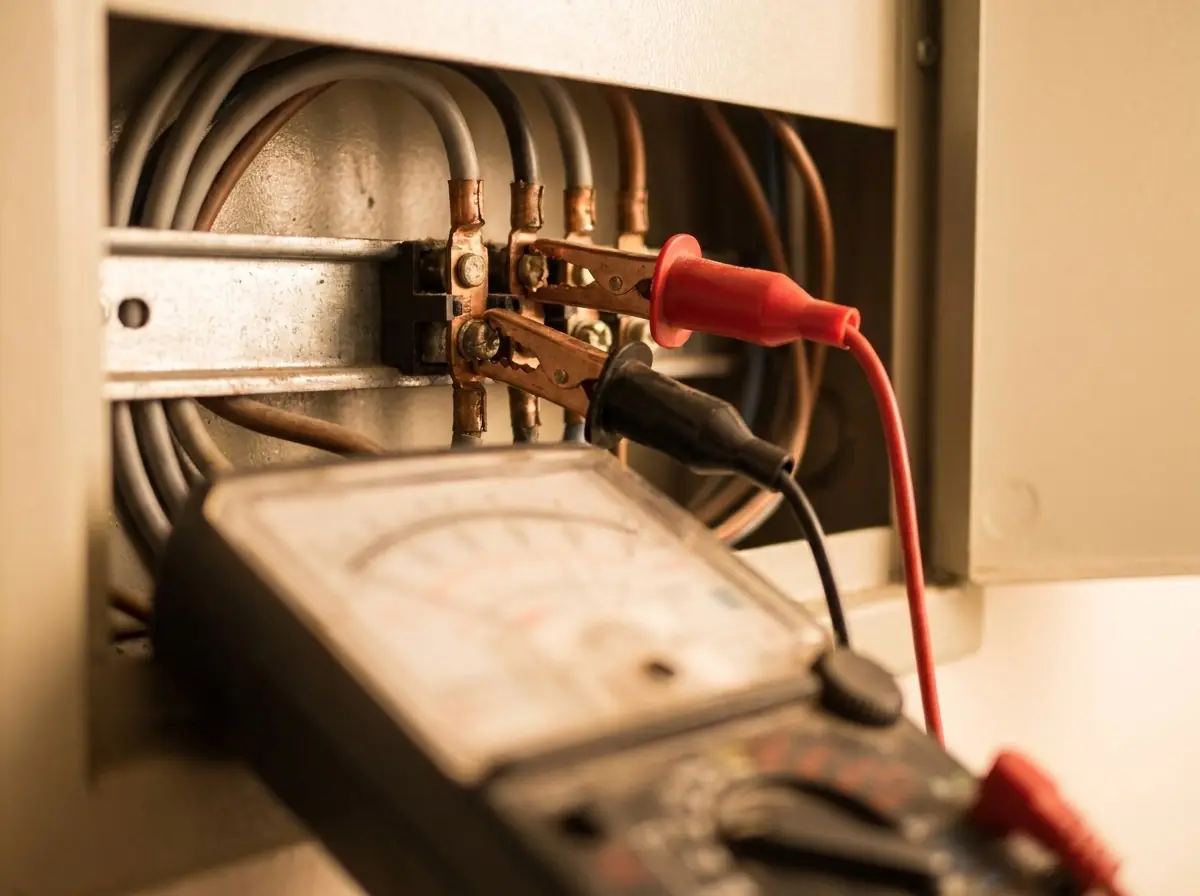
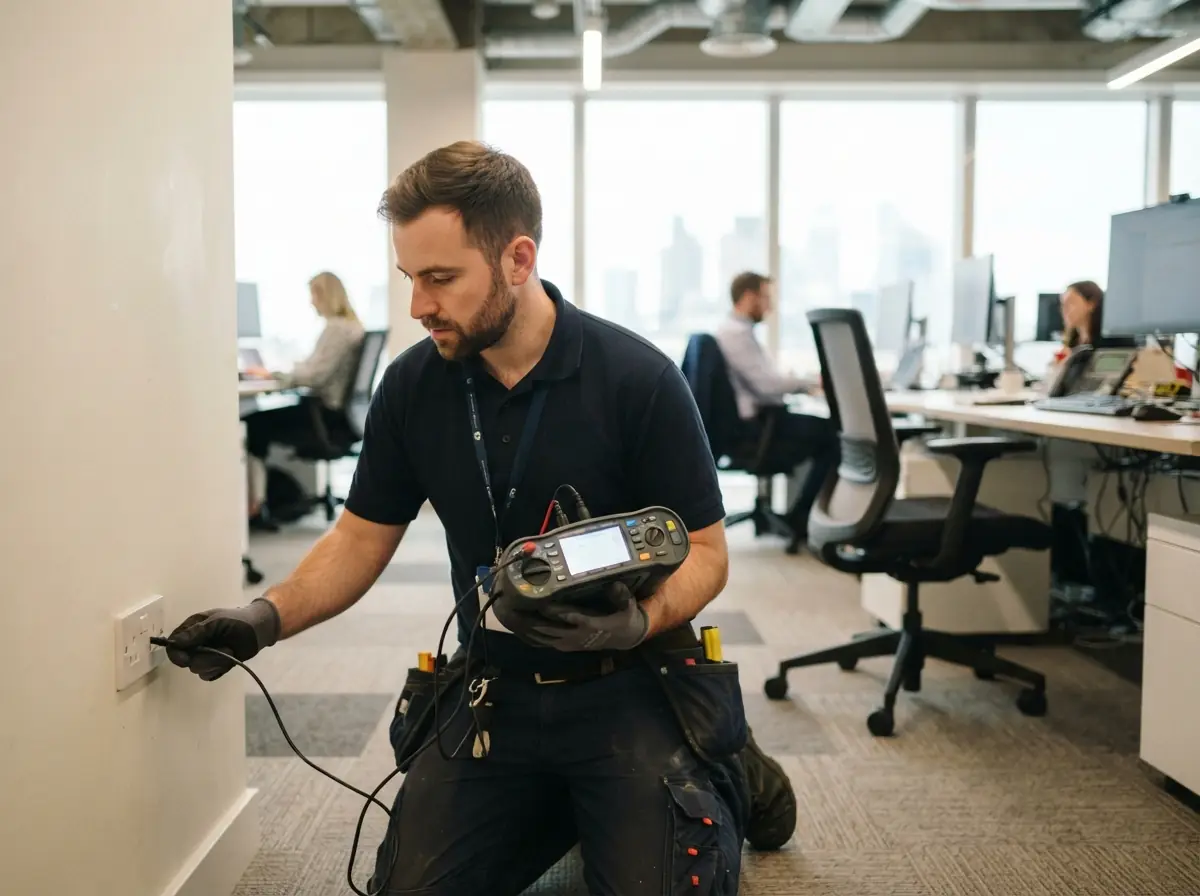
The visit has two parts. The inspection is visual: the inspector opens the distribution boards, checks the condition of cables, accessories and enclosures, looks for signs of overheating, damage, poor workmanship and alterations, and confirms earthing and bonding are present. The testing is instrumented. On a sample of circuits, typically starting at ten to twenty per cent and increased where problems appear, the inspector measures continuity of protective conductors, insulation resistance, polarity, earth fault loop impedance and the operation of RCDs. Some tests need the circuit dead, so the visit is planned around your working day and is often done out of hours.
What you should get back
A complete report runs to many pages. It should include the extent and limitations of the inspection, a schedule of every circuit with its test results, observations coded C1 (danger present), C2 (potentially dangerous), C3 (improvement recommended) or FI (further investigation required), the recommended date of the next inspection and the overall verdict. Any C1, C2 or FI makes the installation unsatisfactory until the item is remedied, and the contractor should quote for the work. Our guide to the EICR codes explains what each means in practice, and what to do after an unsatisfactory report covers the next steps.
What it costs
Fixed wire testing is priced per circuit, with an attendance or first-board fee on top. A small single-board unit typically comes out at £150 to £300, mid-size premises at £300 to £700 and large or multi-board buildings at £700 or more. The sample size, out-of-hours working and the state of the existing records all move the price. Our commercial EICR cost guide breaks the figures down.
Getting it done
Tell us about the premises on our fixed wire testing page and we will match you with one registered electrical inspector who covers your area, with a no-obligation quote usually within a day. If you are not sure what else the building needs, the free compliance check lists every duty in one go.
Sources & further reading
- Electricity at Work Regulations 1989, regulation 4 systems maintained to prevent danger
- HSE: electrical safety at work the employer’s duty and how to meet it
- HSE HSR25: Memorandum of guidance on the Electricity at Work Regulations what “maintained” means in practice
Questions
Frequently asked questions
Is fixed wire testing the same as an EICR?
Yes. Fixed wire testing is the name for the periodic inspection and test of the fixed electrical installation, and the Electrical Installation Condition Report is the document it produces.
Is fixed wire testing a legal requirement?
Not by name. Regulation 4 of the Electricity at Work Regulations 1989 requires electrical systems to be maintained so as to prevent danger, and periodic inspection and testing is the recognised way to evidence that duty.
How often should fixed wire testing be carried out?
Every five years for most offices and shops, and more often for industrial, leisure and higher-risk premises. The previous report states the recommended date for the next test.
Does fixed wire testing include portable appliances?
No. It covers the fixed installation only. Plug-in equipment is covered by PAT testing, which is usually done by the same contractor.