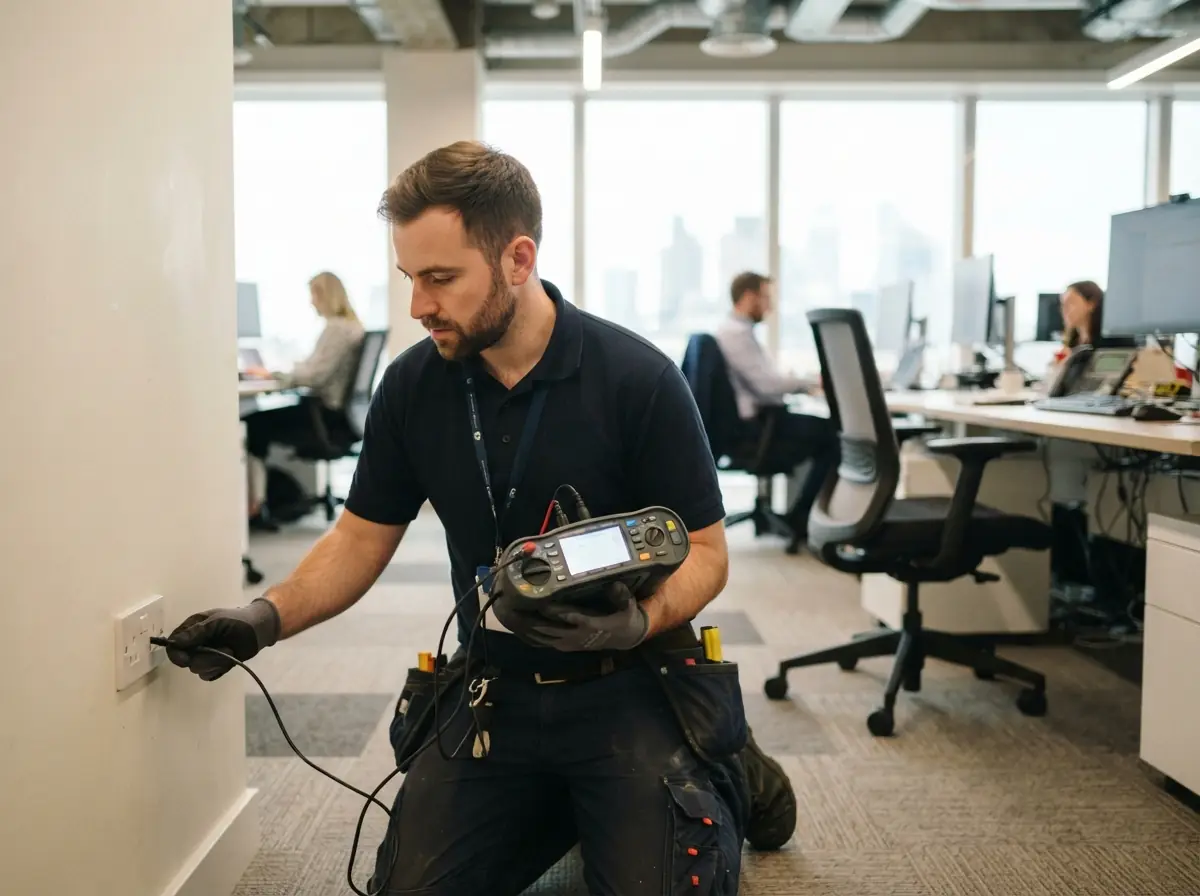
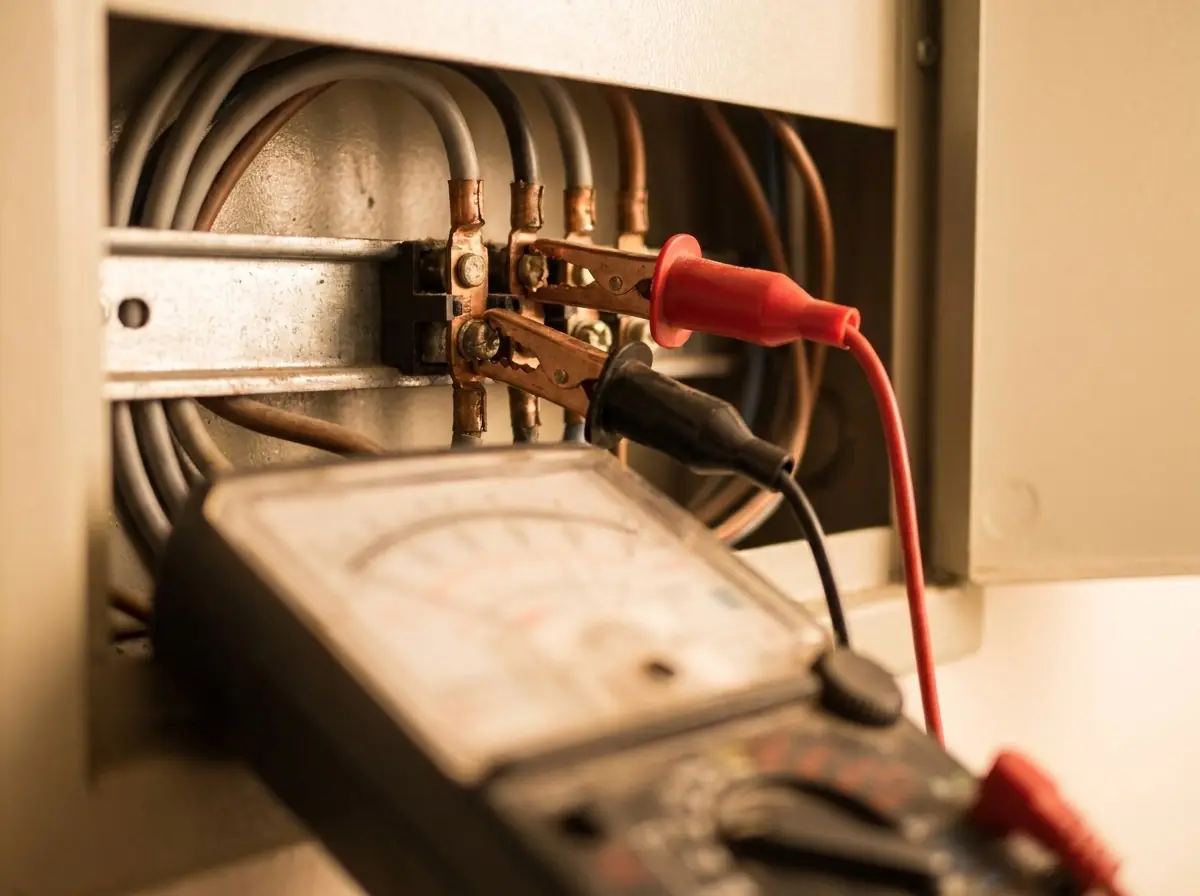
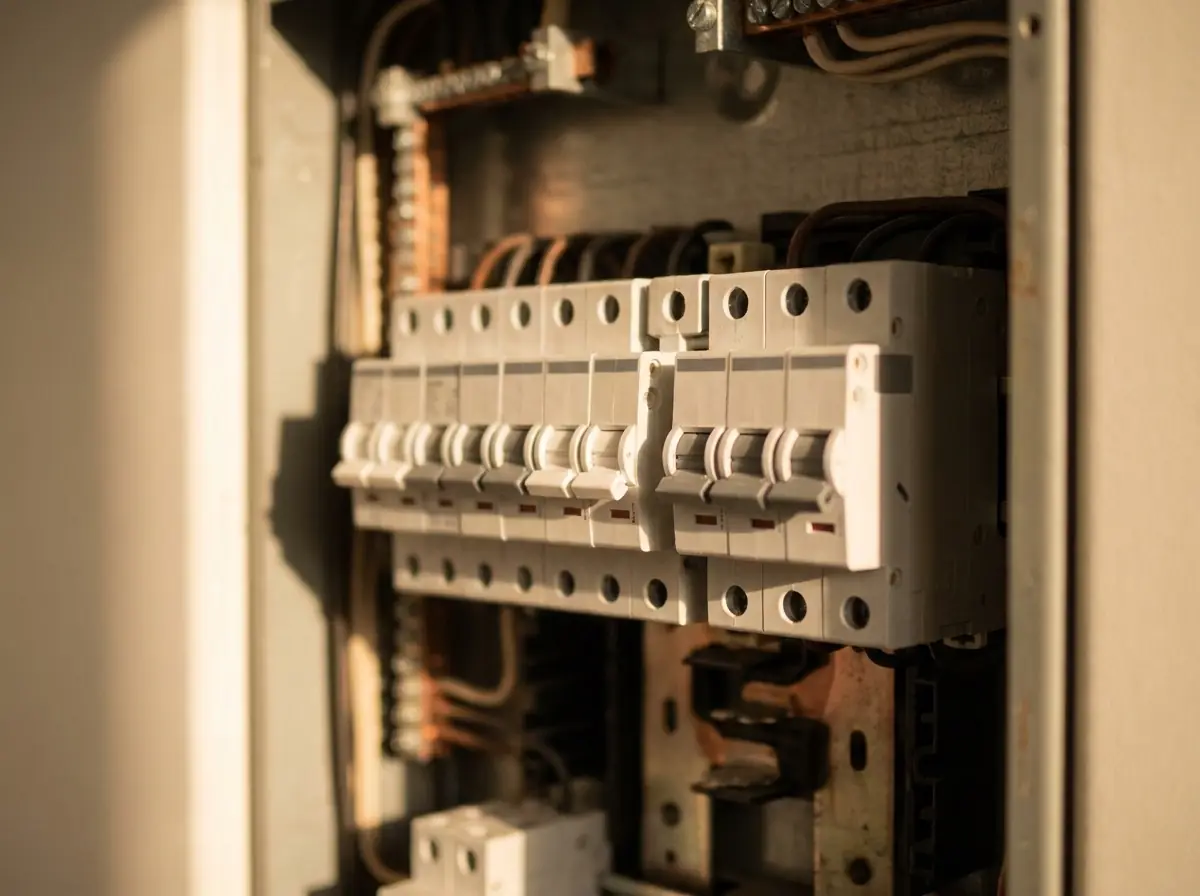
The fixed installation only
Boards, circuits, earthing, bonding and fixed accessories, tested against BS 7671.

Fixed Wire Testing
Fixed wire testing is the periodic inspection and test of your fixed electrical installation, reported as an EICR. Tell us about the premises and we'll match you with one registered inspector who covers your area. No-obligation quote in about a minute.
In short
Yes. Fixed wire testing is the trade name for the periodic inspection and testing of a building's fixed electrical installation, and the document it produces is the Electrical Installation Condition Report, the EICR. Neither term appears in law. The Electricity at Work Regulations 1989 require electrical systems to be maintained so as to prevent danger, and a periodic inspection to BS 7671 is how employers and landlords evidence that. Most commercial premises test every five years, with shorter intervals for industrial, leisure and higher-risk uses.
Maintained by the ComSurv team and checked against UK government, HSE and professional-body sources. ComSurv is a matching service, not a law firm; this is general information, not legal advice.
Why it matters
Everything behind the sockets: the incoming supply, distribution boards, circuit protection, the cabling, earthing and bonding, and the fixed accessories such as sockets, switches and lighting points. Portable equipment is not included; that is PAT testing.
Boards, circuits, earthing, bonding and fixed accessories, tested against BS 7671.
The inspector tests a representative sample and inspects the rest, increasing the sample where faults appear.
C1 danger present, C2 potentially dangerous, C3 improvement recommended, FI further investigation.
Satisfactory or unsatisfactory, with the recommended date of the next test.
How it works
Answer a few quick questions about the property, what you need and your timeline.
We match you with one of the registered electrical inspectors who cover your area and property type.
Get a no-obligation quote and go ahead only if it's right for you.
What's involved
The inspector walks the installation, opens the distribution boards, carries out dead and live tests on the sampled circuits (continuity, insulation resistance, polarity, earth fault loop impedance and RCD operation) and records every observation. Circuits must be isolated for some tests, so the visit is planned around your operations, often out of hours.
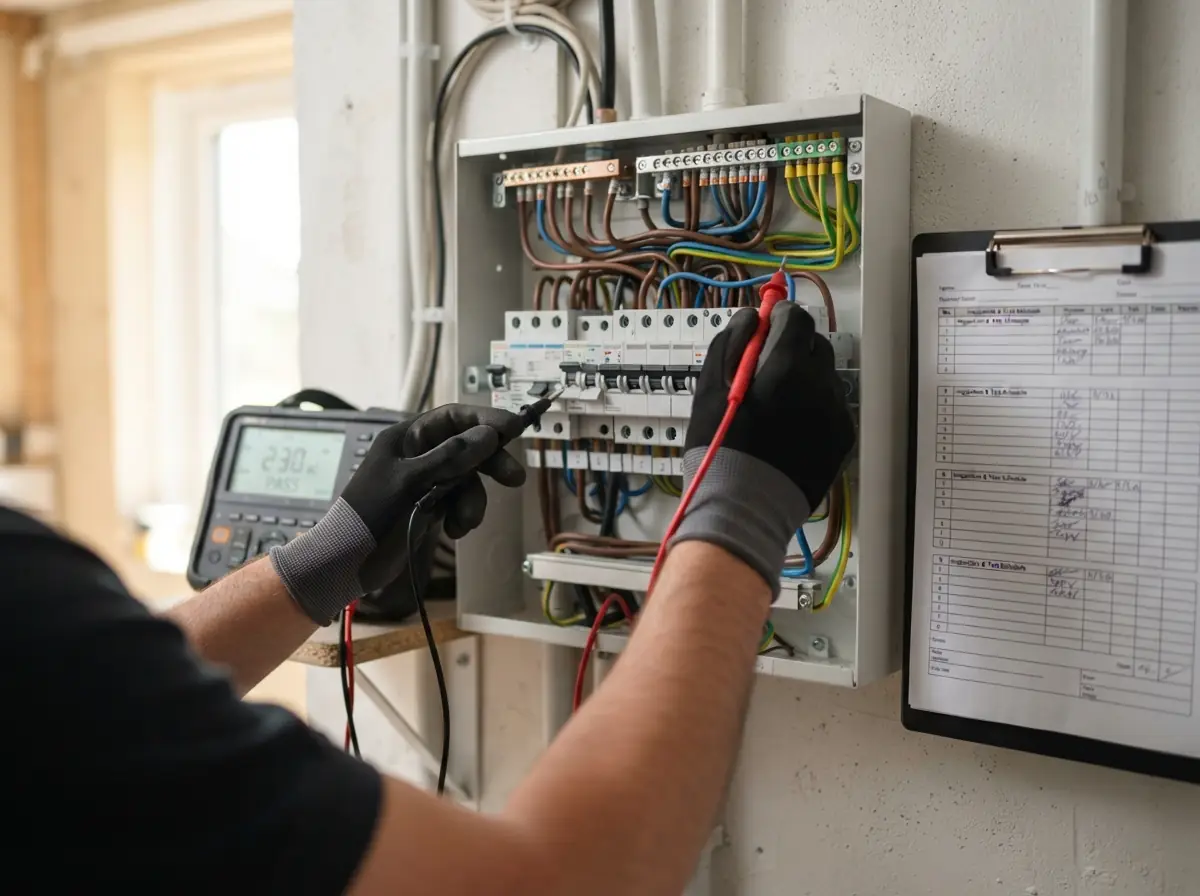
Behind the sockets
Loose terminations, overloaded circuits, missing earths and ageing insulation give no warning until something overheats. Fixed wire testing is the only routine check that opens the boards and measures what is actually happening, and the report is the record an insurer or inspector will ask for after an incident.
Get my quoteQualified & accredited
The inspectors we match you with are registered with recognised competent-person schemes such as NICEIC or NAPIT. ComSurv is a matching service and is not itself a regulated firm.
Qualified, regulated and accountable




Questions
Yes. Fixed wire testing is what the trade calls the periodic inspection and test of the fixed electrical installation. The report it produces is the Electrical Installation Condition Report, or EICR.
Not by name. The Electricity at Work Regulations 1989 require electrical systems to be maintained to prevent danger, and periodic inspection and testing is the recognised way to evidence that duty. Insurers, landlords and buyers will ask for the report.
Typically every five years for offices, shops and similar premises, and more often for industrial, leisure and higher-risk uses. The previous report states the recommended date for the next test.
It is usually priced per circuit with an attendance fee on top. As a broad guide, a small single-board unit starts around £150 to £300, mid-size premises £300 to £700, and large or multi-board buildings £700 or more. You will get a no-obligation quote.
Some tests need circuits isolated, so inspectors plan the visit around your operations and often work out of hours. Tell us if the premises cannot be powered down during the day.
Fixed wire testing covers the installation itself: boards, circuits, sockets and lighting. PAT testing covers the equipment you plug into it. Most premises need both, and the same contractor often does both.
Also required on this property
Most commercial premises carry more than one compliance duty. These are the ones that usually sit alongside this service, or that the same visit can cover.
Fixed wire testing covers the installation. PAT testing covers everything plugged into it, and the same contractor often does both.
Learn moreEmergency lighting and alarm circuits are part of the same electrical estate. Service them on the same cycle.
Learn moreRelated guides
Free, no-obligation, and matched to one registered electrical inspector who covers your area. Takes about a minute.
Get my quote